Corneal Ulcer: Signs, Treatment & When to Seek Eye Care
Article by: seoteam seoteam Last updated: 23 September 2026

A corneal ulcer is a sight-threatening medical emergency requiring immediate professional intervention. Understanding its underlying causes, recognizing key warning signs, and securing timely treatment are critical steps toward preventing irreversible corneal damage and permanent vision loss.
This comprehensive guide covers essential aspects of corneal ulcers from symptoms and diagnostic methods to medical therapies and advanced surgical solutions, helping you protect your ocular health.
Highlight
- A corneal ulcer is a deep sore in the corneal stroma, distinct from superficial abrasions, and carries a significant risk of permanent visual impairment.
- Infection from bacteria, fungi, or parasites frequently linked to improper contact lens care, along with viral causes such as herpes simplex, together represent the leading causes of corneal ulcers
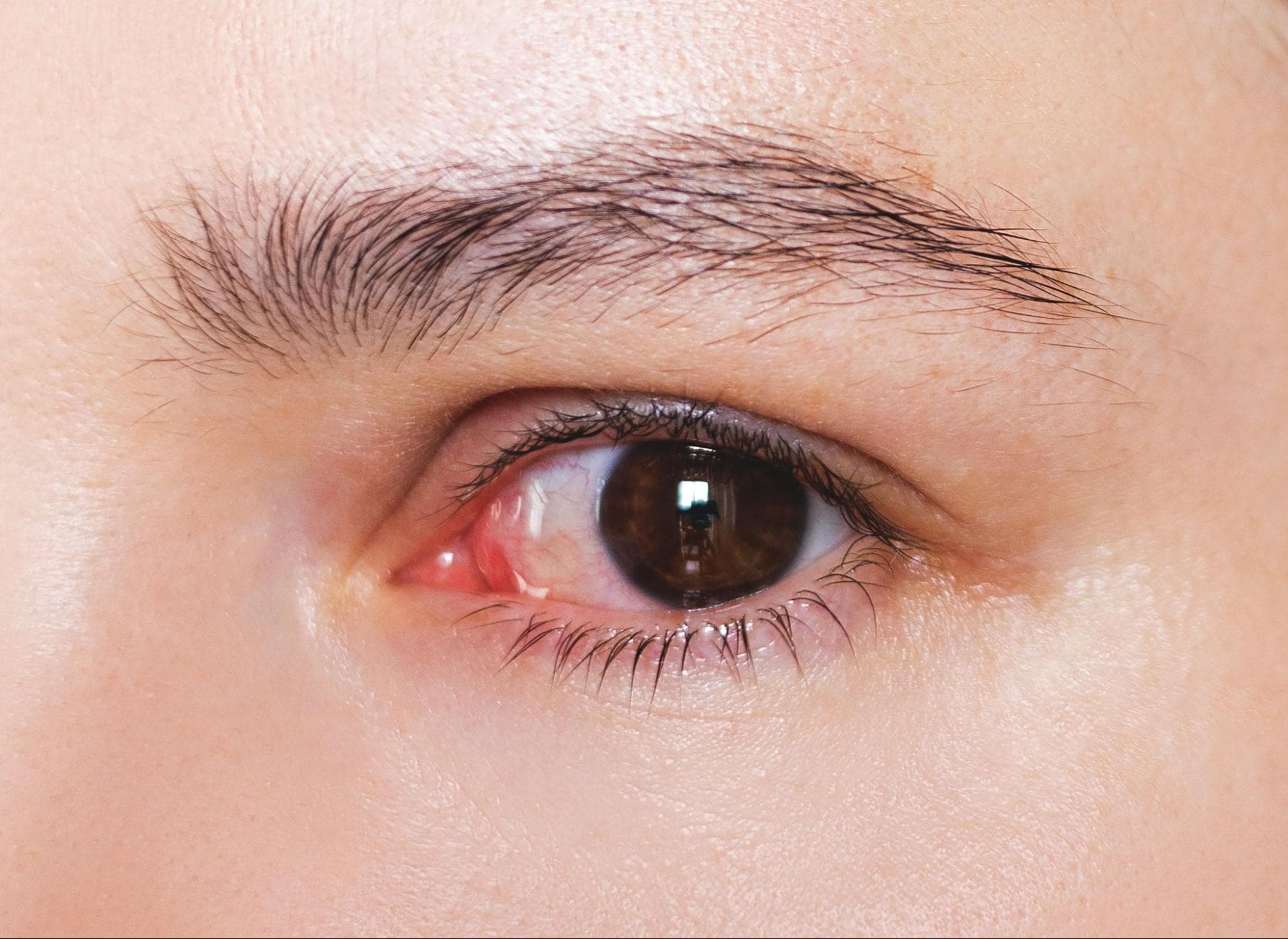
- Severe eye pain, sudden blurred vision, purulent discharge, marked redness, and a visible white spot on the cornea warrant immediate emergency evaluation.
- Diagnosis involves fluorescein dye staining and slit-lamp examinations, with microbiological cultures utilized to pinpoint specific infectious pathogens.
- Treatment spans intensive antimicrobial eye drops for mild cases to advanced corneal transplantation (keratoplasty) for severe, non-responsive ulcers or perforation.
Table of Content
The cornea is the clear, outermost front layer of the eye that refracts light to ensure sharp vision. Acting like a clean camera lens, any damage or infection to this surface disrupts visual clarity.
A corneal ulcer, also known as Ulcerative Keratitis, is an open sore or corneal ulceration on the thin transparent layer covering the iris and pupil. Typically caused by bacterial, viral, or fungal infections, an ulcer in eye tissue presents with painful eye redness, light sensitivity, and visible greyish-white spots, requiring prompt medical intervention or targeted cornea treatment to prevent severe vision loss

Corneal ulcers develop when the surface of the cornea becomes damaged or invaded by harmful germs. Both infectious and non-infectious factors play a significant role, and understanding these causes helps in early identification and corneal ulcer prevention.
Infectious Causes
- Epithelial Breakdown Any disruption to the protective outer layer of the cornea allows microorganisms to easily enter and create open sores.
- Viral Infections Viruses like herpes simplex or varicella-zoster can trigger recurrent corneal ulcers during symptom flare-ups.
- Bacterial Infections Common strains such as Pseudomonas, Staphylococcus, or Streptococcus frequently affect contact lens wearers with improper lens hygiene.
- Fungal Infections Fungi can invade the eye tissue following trauma involving soil, plants, or organic material.
- Parasitic Infections Organisms such as Acanthamoeba found in tap or lake water cause a severe corneal ulcer or eye ulcer in people who swim or clean lenses with non-sterile water.
Non-Infectious Causes
- Physical Eye Trauma Scratches, punctures, or chemical and thermal burns that directly damage the corneal surface.
- Severe Dry Eye Syndrome Chronic dry eyes and a lack of moisture erode the protective tear film layer over time, often requiring artificial tears for temporary relief.
- Toxic Chemical Reactions Adverse reactions to harsh environmental chemicals or specific topical eye medications.
- Incomplete Eyelid Closure Eyelid dysfunctions, such as Bell’s palsy, that leave the cornea exposed and dried out.
- Autoimmune Disorders Systemic inflammatory conditions like rheumatoid arthritis or lupus that trigger severe tissue breakdown, sometimes forming a marginal corneal ulcer.
Specific habits, underlying eye conditions, and medical histories significantly increase the likelihood of developing an ulcer on eye tissue or experiencing an ulceration in eye structures
- Contact Lens Users Poor lens hygiene, sleeping in lenses, or improper storage.
- Eye Trauma Physical scratches, foreign objects, or chemical burns.
- Viral Infection History Past or current cold sores, chickenpox, or shingles.
- Steroid Drop Users Frequent use of prescription corticosteroid eye drops.
- Chronic Dry Eye Patients Lack of protective tear film exposing the cornea.
- Eyelid Disorder Patients Conditions preventing complete eyelid closure.
- Post-Surgical Patients Individuals recovering from refractive surgeries like lasik or procedure recovery following cataract surgery, where surface healing must be carefully monitored.

Early recognition of corneal ulcer symptoms and signs of corneal ulcers is vital for prompt treatment and protecting your vision. Seek immediate medical evaluation if you notice any of these severe ocular warning signs or classic corneal ulcer presentation
- Severe Eye Pain A sharp, deep aching sensation in the ulcer eye, often serving as the primary symptom requiring urgent care.
- Blurred Vision Immediate reduction in visual clarity caused by loss of corneal transparency or intraocular pus accumulation.
- Excessive Discharge Thick yellow or green purulent discharge, which commonly represents typical eye ulcer symptoms indicating an underlying bacterial infection.
- Severe Eye Redness Marked redness concentrated around the iris area, clinically known as ciliary injection.
- Visible White Spot A noticeable white or grayish cloudy opacity appearing directly on the dark part of the eye.
While corneal abrasions and corneal ulcers share overlapping symptoms, they differ significantly in structural depth. A corneal abrasion is a superficial scratch limited strictly to the outermost epithelial layer (similar in superficial depth to a minor superficial ulcer) typically healing within one to three days with minimal risk of permanent damage.
In contrast, a corneal ulcer is a deeper open sore that penetrates into the underlying stroma, often caused by serious infections. Consequently, ulcers require intensive treatment over several weeks and carry a much higher risk of permanent corneal scarring, structural thinning, or severe vision loss if left untreated. Given the potential severity, patients may need to take time off work during active treatment, depending on the doctor's assessment, to support healing and reduce the risk of complications.
Ophthalmologists diagnose corneal ulcers using a fluorescein dye stain paired with a slit-lamp microscope exam. The special dye highlights surface damage, allowing clear visualization of whether the patient has a small corneal ulcer or a more extensive lesion, while evaluating its size and depth.
If an active infection is suspected, your doctor may gently collect a tiny tissue sample or culture to precisely identify the underlying pathogen and tailor an effective targeted treatment plan

Corneal ulcer treatment depends on its underlying cause and severity. The primary goals are eliminating infection, reducing inflammation, and preserving vision through medical therapy or surgical intervention.
Antibiotic, Antifungal, or Antiviral Eye Drops
Topical eye drop therapy is the primary medical treatment aimed at eradicating targeted pathogens causing the infection. Ophthalmologists prescribe high-dose antimicrobial, antifungal antiviral eye drops, which patients apply frequently (often every 30 to 60 minutes initially, including overnight).
This intensive regimen is ideal for patients with mild-to-moderate infectious ulcers, effectively stopping germ replication and promoting tissue healing before deep structural damage occurs.
Severe Cases and Corneal Transplant
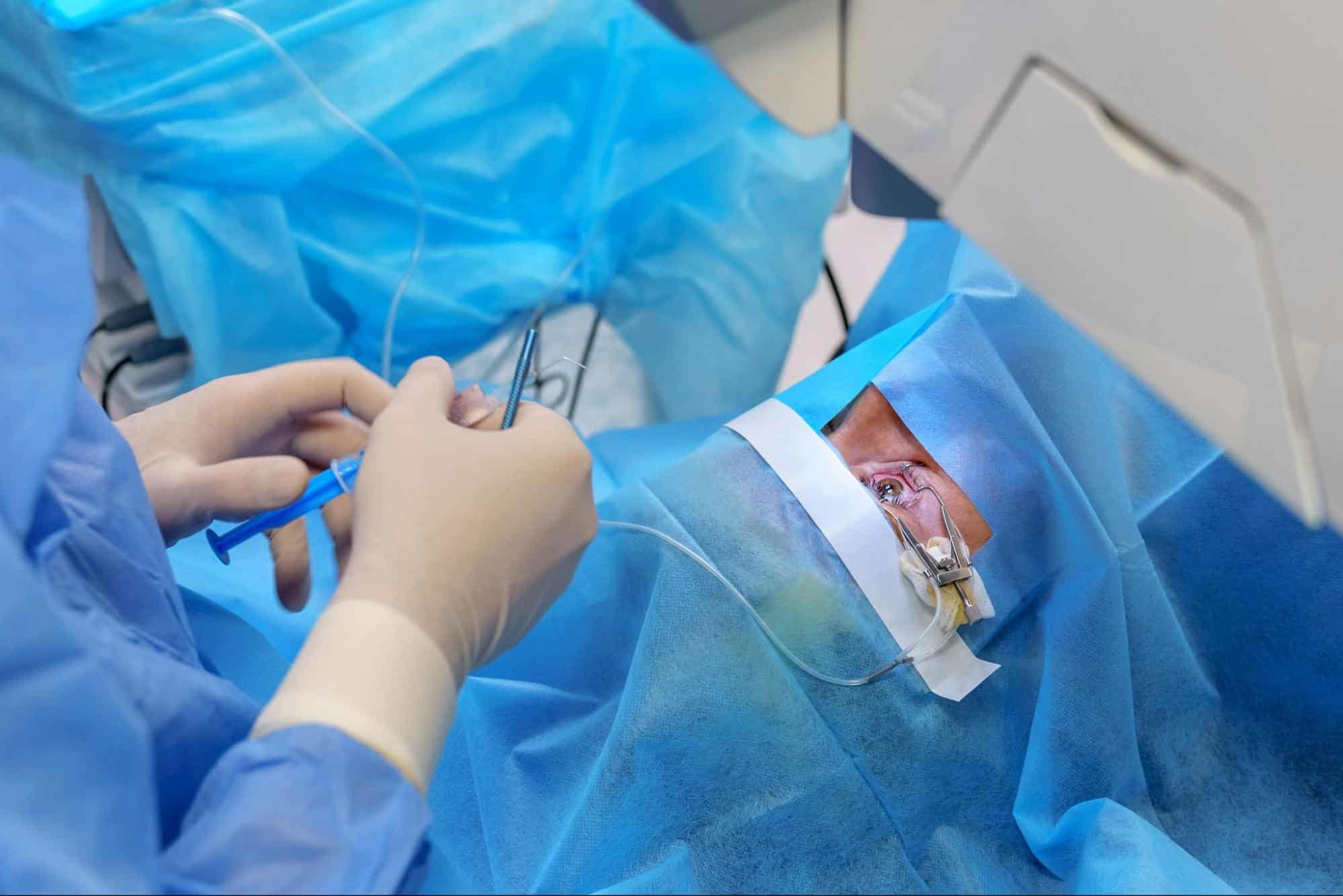
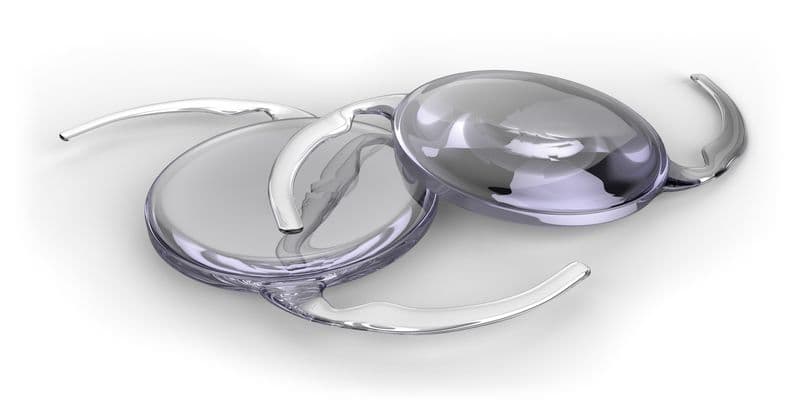
When non-surgical management is insufficient, surgical intervention restores corneal integrity and prevents eye loss. Doctors perform procedures ranging from tissue gluing for a perforated corneal ulcer to full corneal transplant (keratoplasty), replacing scarred tissue with a healthy donor cornea.
This advanced approach suits patients with severe, non-responsive ulcers, corneal perforations, or extensive permanent central scarring that severely obstructs vision, ultimately protecting the eye's internal structures and restoring lost functional sight.
Corneal ulcers progress rapidly, making immediate medical attention crucial to prevent severe complications. Seek emergency care immediately if you experience any of these worsening warning signs
- Sudden or Worsening Eye Pain A sharp increase in pain indicating a deepening ulcer or spreading infection.
- Rapid Vision Changes Sudden blurring, loss of sight, or double vision requiring urgent intervention.
- Escalating Redness and Swelling Increasing eye puffiness or severe inflammation signalling an escalating infection.
- Increased Purulent Discharge Severe bacterial growth marked by thick, sticky yellow or green discharge.
- Severe Light Sensitivity Extreme photophobia that makes keeping the eye open unbearable.
Corneal ulcer healing time varies based on severity, depth, and cause. Minor ulcers often recover within one to two weeks, whereas severe or deep-seated infections can take several weeks to months to completely resolve.
Corneal Ulcer Healing Stages
Understanding corneal ulcer healing stages helps patients track recovery. Recovery typically moves through four main phases: controlling active pathogens, re-epithelialization of the outer layer, stromal repair with tissue remodeling, and the final settling of local inflammation and structural scarring.
How to Tell If a Corneal Ulcer Is Healing
Key signs of recovery include a noticeable reduction in severe eye pain, decreasing redness, diminished discharge, improved tolerance to light, and the gradual return of clearer vision as surface tissue heals.
Corneal ulcers require early recognition and prompt medical management to safeguard long-term visual health. By understanding risk factors, recognizing severe ocular symptoms, and adhering to prescribed medical or surgical therapies, patients can prevent severe complications such as permanent corneal scarring. Timely consultation with an ophthalmologist remains the cornerstone of effective treatment, ensuring optimal recovery and preserving clear vision.
At Samitivej Chinatown Hospital, our experienced team of ophthalmologists utilizes state-of-the-art diagnostic technology to deliver precise, compassionate eye care. Whether managing complex corneal conditions or routine vision health, we provide personalized treatment tailored to restore your visual clarity and peace of mind.
How serious is a corneal ulcer?
A corneal ulcer is a medical emergency that requires prompt evaluation by an ophthalmologist. Left untreated, it can rapidly worsen — in severe cases, particularly aggressive bacterial infections such as Pseudomonas keratitis, structural damage or corneal perforation can occur within just 24 to 48 hours, potentially threatening vision or the eye itself.
Can a corneal ulcer cause permanent vision loss or scarring?
Yes, corneal ulcers frequently cause permanent stromal scarring, resulting in an eye ulcer scar, irregular astigmatism, or corneal perforation. If the scarring occurs over the central pupil, it can permanently restrict light transmission and result in severe, irreversible vision loss.
Is it safe to wear contact lenses again after a corneal ulcer heals?
You must completely refrain from wearing contact lenses until your ophthalmologist confirms the ulcer is fully healed. Afterwards, you may resume lens wear only with medical clearance, a proper refitting, and strict adherence to hygienic lens care.