IOLs (Intraocular Lens): Guide to Permanent Vision Correction
Article by: seoteam seoteam Last updated: 14 May 2026
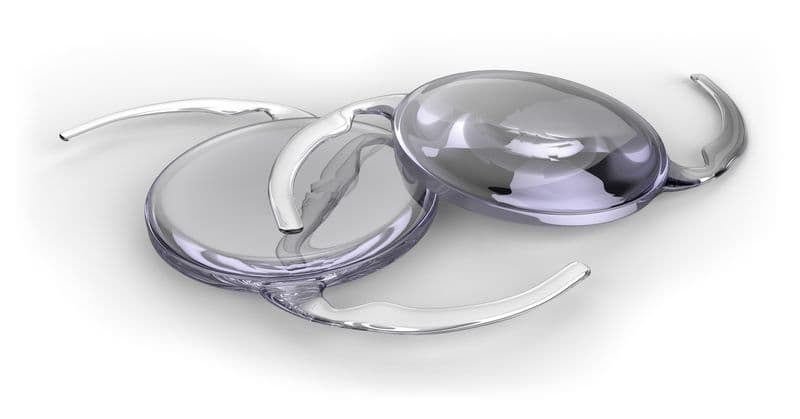
Experience a new level of visual clarity with Intraocular Lenses (IOLs), the permanent solution for various vision challenges. Whether you are dealing with cataracts or seeking an alternative to laser surgery, understanding your IOL options is the first step toward visual independence. This guide explores everything from lens types to recovery, helping you prepare for a life with sharper sight.
Key Takeaway
- IOLs are biocompatible artificial implants that replace the natural lens to treat cataracts and refractive errors like Myopia and Presbyopia for life.
- Patients can choose Intraocular Lens implant types between Monofocal lenses for single-distance clarity or advanced Multifocal and Toric lenses to reduce total dependence on eyeglasses.
- Choosing the right Intraocular Lens implants requires a collaborative evaluation of your professional needs, nighttime driving habits, personal hobbies, and surgical budget with an expert.
- The Intraocular Lens implants surgery is quick and standard, utilizing local anesthesia and a tiny, self-healing incision that typically requires no stitches for recovery.
- Successful outcomes depend on following post-op instructions, such as using prescribed drops and avoiding strenuous activities or eye rubbing during the initial healing phase.
Table of Contents

Intraocular Lenses (IOLs) are medical-grade artificial implants designed to permanently replace the eye's natural lens. Often used during cataract surgery, they provide a long-lasting solution for various vision issues, including Myopia (nearsightedness), Hyperopia (farsightedness), Astigmatism (altered eye shape), and Presbyopia (age-related farsightedness).
You may be a suitable candidate for intraocular lens (IOL) implants if you fall into the following categories:
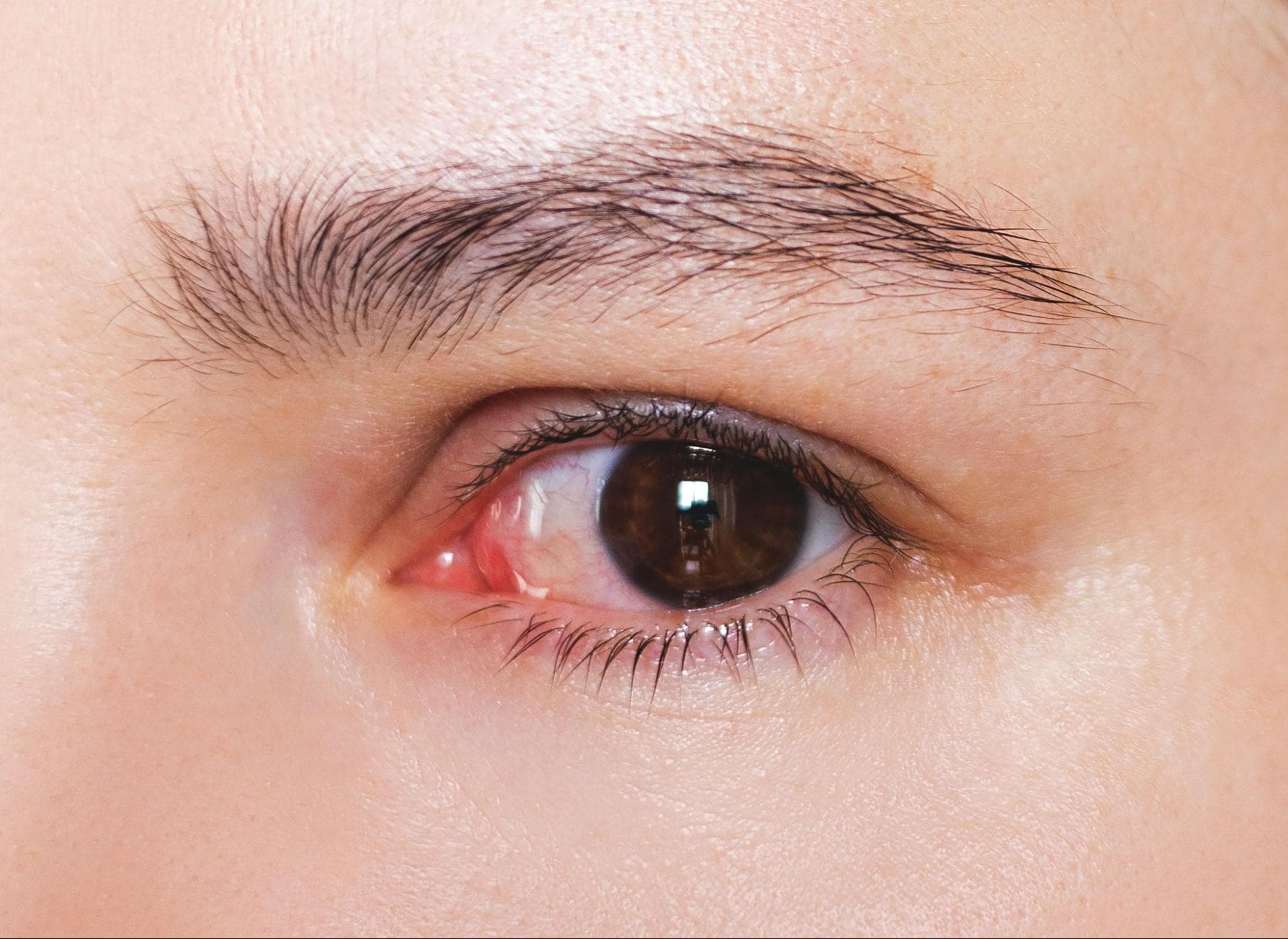
- Cataract Patients: Cataracts cause cloudy or blurry vision (including a Cortical Cataract affecting the lens periphery or a swollen Intumescent cataract), an IOL is essential. During Phaco surgery, the damaged natural lens is removed and replaced with an IOL.
- Non-LASIK Candidates: IOLs are an excellent alternative for individuals with severe refractive errors who may not be eligible for LASIK or other laser-based vision correction surgeries due to thin corneas or other eye conditions.
Selecting the right intraocular lens is a crucial step in personalizing your vision correction. There are several primary types of IOLs available, each designed to meet specific lifestyle needs and visual requirements:
- Monofocal IOL: This provides high-quality clear vision at a single focal point, which is typically set for distance. While these lenses are simple, reliable, and cost-effective, patients will likely still need to use glasses for near tasks, such as reading.
- Multifocal IOL: It is engineered to provide clear vision at multiple ranges like near, intermediate, and far, effectively reducing your overall dependency on glasses. This category includes specialized subtypes:
- Bifocal IOL: Features two focal points, generally balancing near and distance vision.
- Trifocal IOL: Offers three focal points, providing a seamless transition between near, intermediate, and far distances for most daily activities.
- Extended Depth of Focus (EDOF): Utilizes a single elongated focal point to improve intermediate and distance vision. However, Some patients may experience minor glare or halos around lights, particularly when driving at night.
- Toric IOL: It is specifically designed for patients with Astigmatism (altered eye shape). These lenses can be either monofocal or multifocal and require precise measurements and placement by a surgeon to correct the irregular curvature of the cornea.
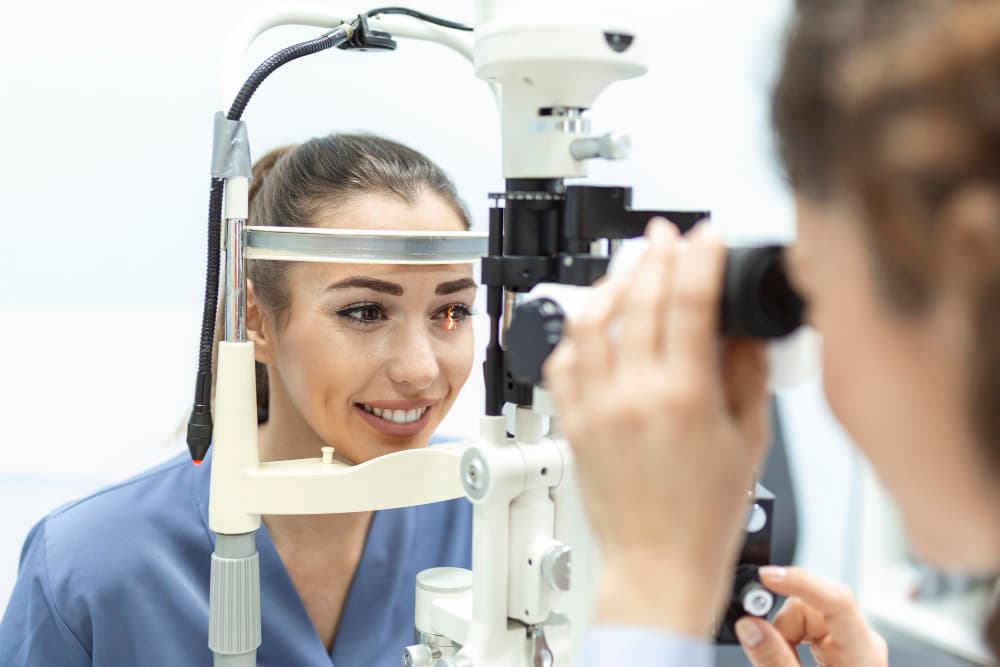
Choosing the right lens is a collaborative process between you and your ophthalmologist. After a comprehensive eye exam and painless measurements of your eye's shape, your doctor will discuss whether cataract surgery or refractive lens exchange is appropriate. To determine the best fit for your lifestyle, consider the following factors:
- Lifestyle & Hobbies: Evaluate how much freedom from glasses you require for your favorite daily activities and sports.
- Visual Priorities: Determine if you are comfortable wearing glasses for specific tasks, such as reading or professional work.
- Night Activities: Consider if you drive frequently at night and can adapt to potential glare or halos.
- Budget: While insurance typically covers monofocal lenses, advanced options like multifocal or toric lenses often require out-of-pocket payments.
Proper preparation is essential to improve IOLs surgical outcomes and reduce the risk of complications. Before your procedure, please follow these steps:
- Undergo a detailed eye exam and health assessment to evaluate your surgical risk.
- Your surgeon will measure your corneal curvature and eye length to calculate the precise lens power required.
- Discuss your lifestyle needs with your surgeon to choose the most appropriate IOL type.
- A trial assessment may be conducted to evaluate your stress levels and ability to remain still during the procedure.
- Discontinue wearing contact lenses for at least 3–7 days prior to Intraocular Lens implants surgery as instructed.
- Wear comfortable, easy-to-change clothing. Avoid applying any makeup, creams, or wearing jewelry.
- Arrange for a caregiver to assist you and provide transportation before and after the surgery.
- Bring a pair of sunglasses to protect your eyes from light and debris immediately following the procedure.

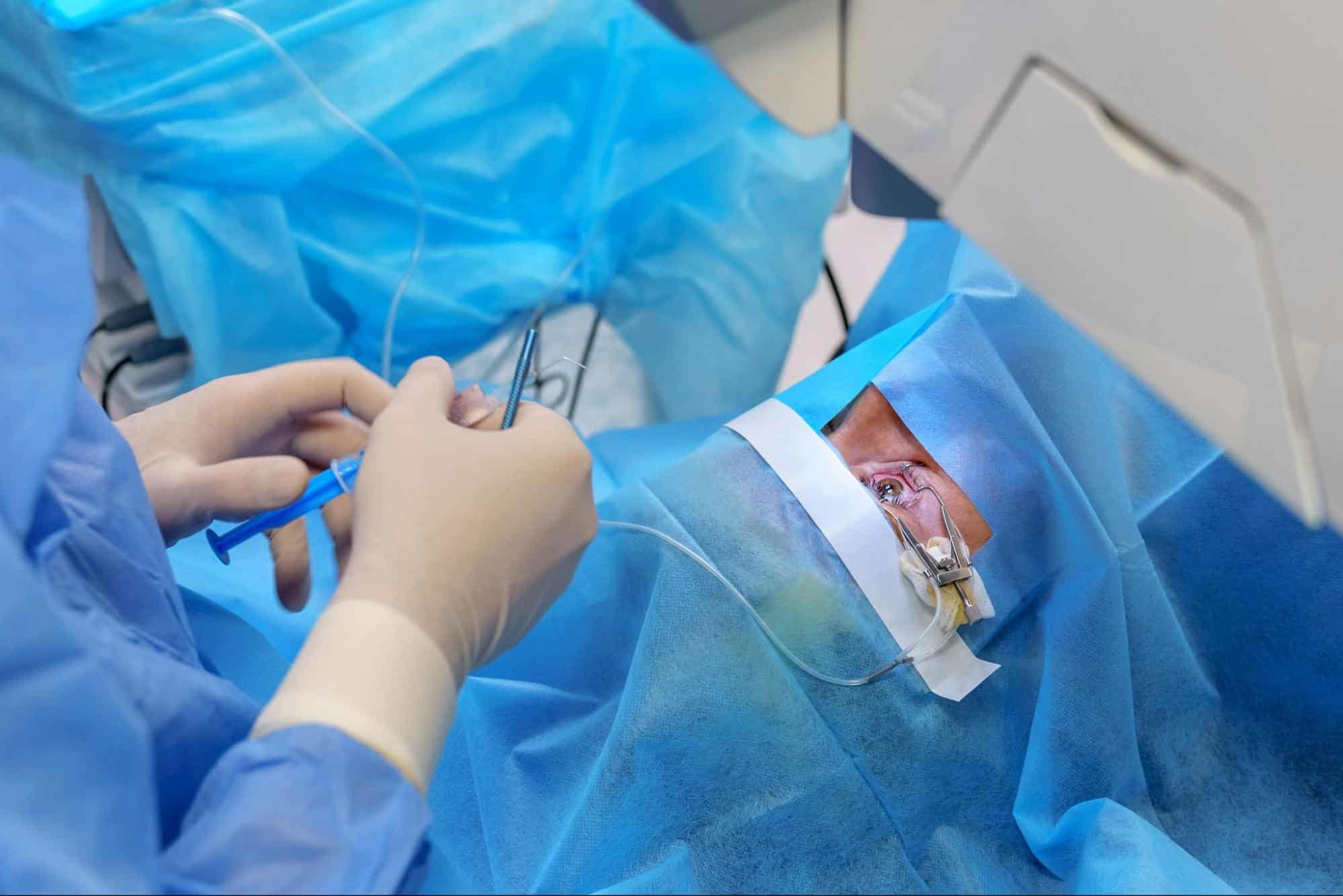
The process of implanting an IOLs is a quick and highly standard procedure. Here is what you can expect during the Intraocular Lens implants surgery:
- Local anesthesia is applied using eye drops or a small injection to ensure you feel no pain (general anesthesia is used only if necessary)
- A tiny incision of about 3 mm is made at the junction where the cornea meets the white of the eye.
- Ultrasound energy may be used to gently break up the natural lens if it has hardened due to a cataract.
- The natural lens is carefully removed while the lens capsule is kept intact to support the new implant.
- The IOL is folded, inserted through the small opening, and then unfolded into its permanent position.
- No stitches are needed because the incision is small enough to seal and heal naturally on its own.
Taking proper care of your eye after the procedure helps you heal faster and prevents complications. Follow these guidelines for the best results:
- Avoid heavy eye usage, lifting, bending over, or any strenuous activities for the first month.
- Protect your eyes by wearing sunglasses during the day and a protective eye shield while sleeping for one month.
- Use all eye drops and medications exactly as your doctor prescribes.
- Clean the area around your eyes gently with sterile materials and never rub your eyes.
- Keep your eyes away from swimming pools, direct water, and dusty environments.
- You can gradually return to your normal routine, but contact your doctor immediately if you experience pain, swelling, or sudden blurred or double vision.
While IOLs surgery is highly successful, some complications can occur. Posterior capsular opacification, or a "secondary cataract," is common but easily fixed with a quick laser treatment.
Rarer issues include IOL dislocation, where the lens shifts, or UGH syndrome, which causes inflammation. You might also experience a refractive surprise if your vision isn't as sharp as expected. Most modern IOLs are very stable, but you should discuss these risks with your surgeon based on your eye health.
Intraocular Lenses offer a sophisticated way to restore vision by replacing cloudy or ineffective natural lenses with high-tech implants. By addressing conditions such as Astigmatism and Hyperopia, IOLs provide long-term clarity through a safe, stitch-free surgical process. With proper preparation and dedicated post-surgical care, most patients enjoy a significant improvement in their quality of life and visual freedom.
At Samitivej Chinatown, we specialize in personalized eye care using advanced IOL technology. Our expert ophthalmologists conduct precise biometry to ensure your lens power is a perfect match for your unique eye shape. From multifocal implants to complex cataract surgeries, we provide a safe environment dedicated to restoring your sight and enhancing your daily life.
How long do IOLs last?
IOLs are designed to be a permanent solution. Made from durable, biocompatible materials, these lenses do not degrade over time and typically last for the rest of a patient's life.
Can I watch TV after surgery?
Yes, you can watch TV shortly after the procedure. However, your vision may be blurry initially, so it is important to rest your eyes and avoid straining them for too long.
Can I have IOLs if I have cataracts and astigmatism?
Absolutely. Surgeons can use Toric IOLs, which are specifically designed to treat Astigmatism (altered eye shape) while simultaneously replacing a cloudy lens during cataract surgery to provide clear vision.