What Are Artificial Tears? Benefits, Types & Proper Usage
Article by: Last updated: 11 June 2026
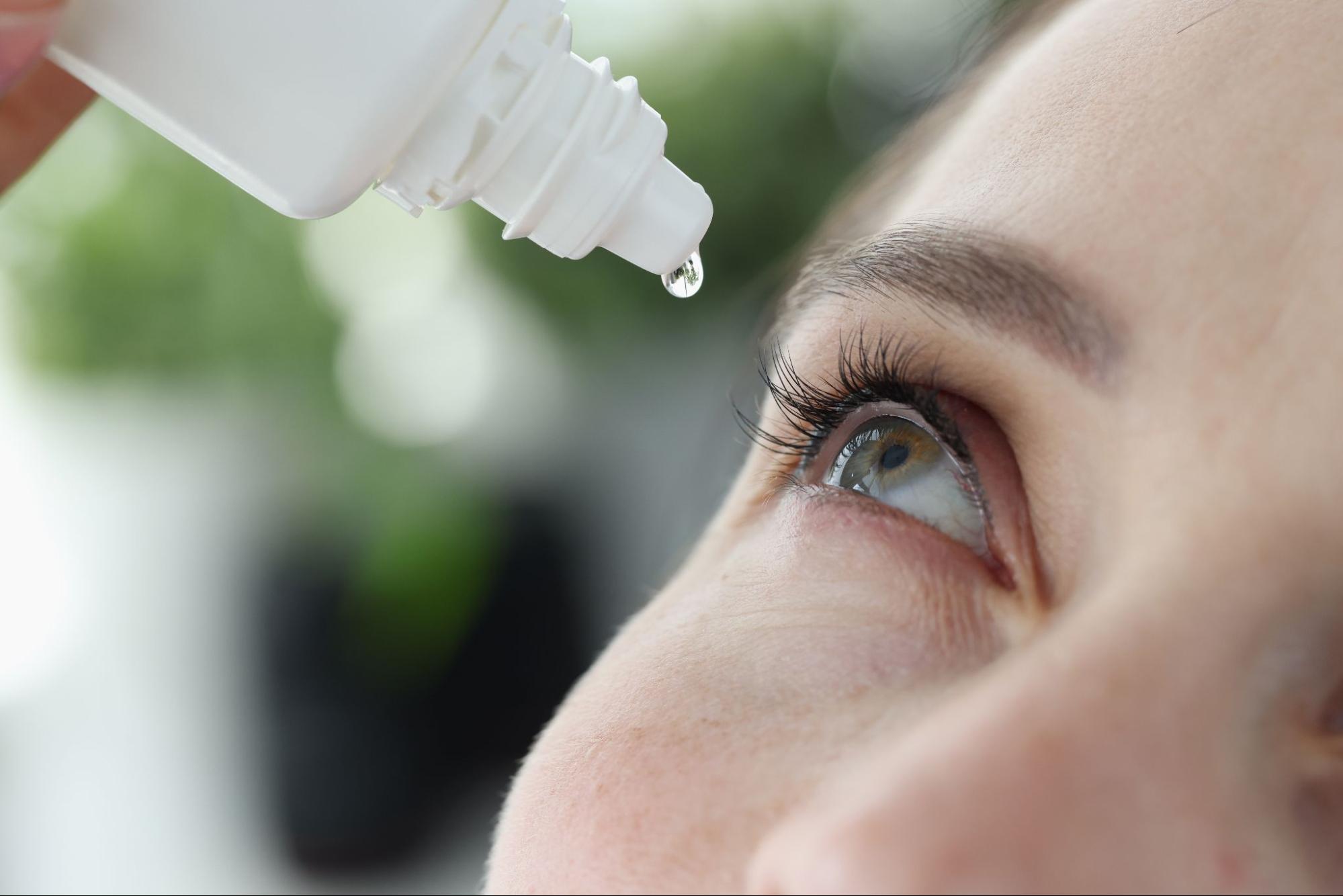
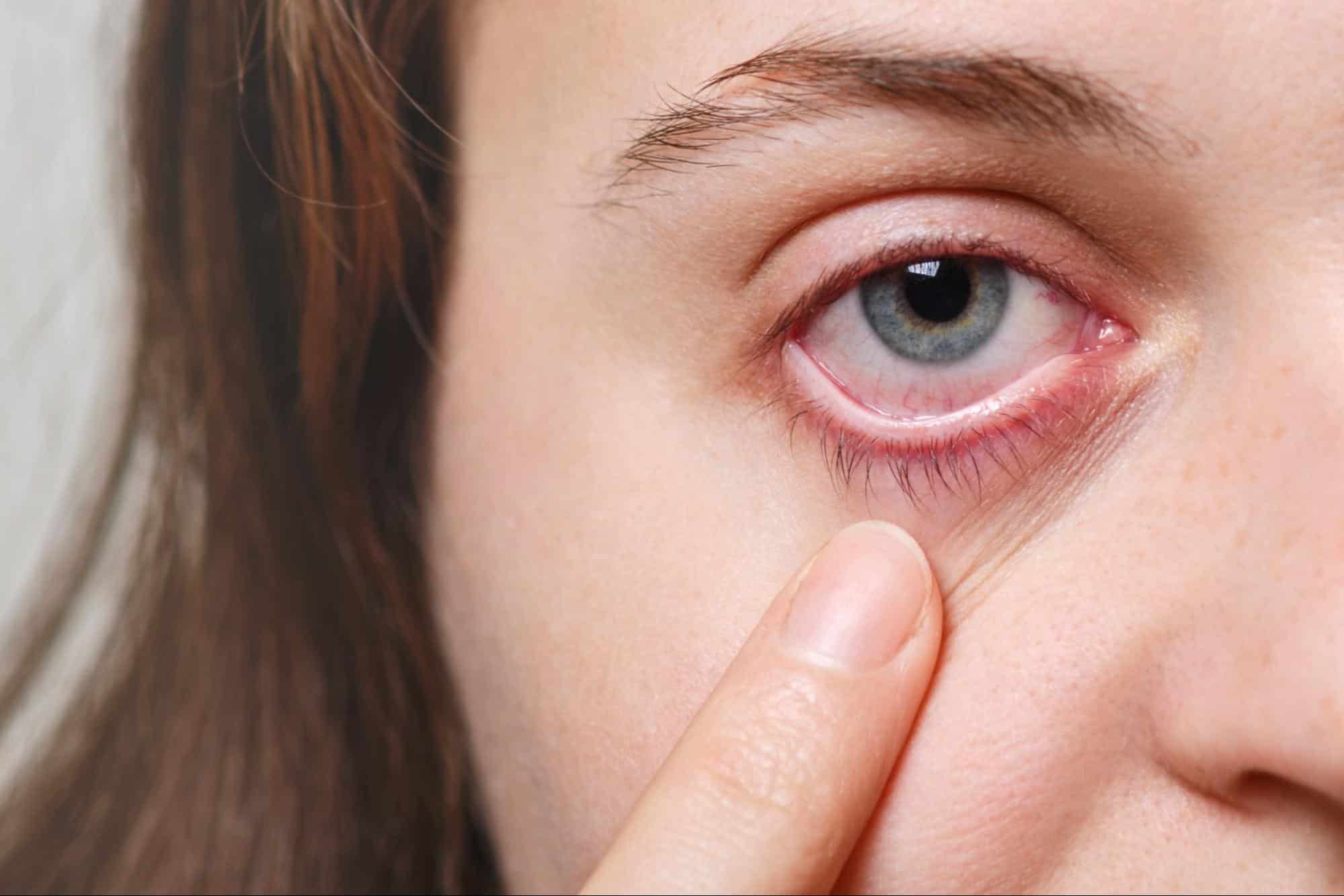
Artificial Tears are eye drops designed to help keep the eyes moist and comfortable by supplementing natural tears. They are commonly used to relieve dry eye symptoms such as irritation, burning sensations, redness, or eye fatigue caused by long hours of screen time, air-conditioned environments, contact lens use, or aging.
Today, Artificial Tears are available in several types and formulations to suit different eye conditions and lifestyles. Understanding the benefits of Artificial Tears, the different types available, and how to use them properly can help you choose the right option for more effective and comfortable dry eye relief.
Key Takeaway
- Dry eye is a common and usually temporary condition that can be triggered by everyday factors such as screen use, air conditioning, and environmental dryness.
- Artificial tears help relieve symptoms by lubricating the eyes and restoring moisture, but they do not treat underlying eye diseases.
- Regular eye drops are not the same as artificial tears, as many contain active ingredients designed to treat specific conditions like allergies, redness, or infection.
- Vision correction procedures such as LASIK, Femto LASIK, and SMILE Pro can also be related to temporary dry eye symptoms, but advanced techniques like SMILE Pro are associated with lower dry eye risk and faster recovery.
- If dry eye symptoms persist, worsen, or significantly affect daily life, it is important to consult an eye specialist for proper diagnosis and long-term treatment options.
Table of Contents
Artificial Tears are lubricating eye drops that help relieve dry, irritated, or tired eyes by adding extra moisture to the eye surface. They work by supporting your natural tears and keeping your eyes comfortably hydrated throughout the day.
They are commonly used when the eyes don’t produce enough tears or when tears evaporate too quickly, which can happen from screen time, air conditioning, contact lens use, or aging. This often leads to symptoms like dryness, burning, redness, or eye fatigue. Artificial Tears are available in different types to suit various needs, including options for sensitive eyes or more frequent use. When used correctly, they can help provide quick and effective relief from dry eye discomfort.
Artificial Tears are commonly used to help relieve a range of eye conditions that cause dryness, irritation, or discomfort. Here are some of the most common situations where they can help:
- Dry Eye Disease (DED) : Helps supplement natural tears when your eyes don’t produce enough moisture or the tears evaporate too quickly.
- Digital Eye Strain : Soothes tired, dry eyes caused by long hours of screen use (computer, phone, or tablet).
- Environmental Irritation : Provides relief from dryness caused by air conditioning, wind, smoke, or pollution.
- Contact Lens Discomfort : Helps keep eyes lubricated and more comfortable for contact lens wearers.
- Age-Related Dryness : Supports older adults who naturally produce fewer tears over time.
- Post-Surgery Dryness : Often recommended after certain eye procedures to help keep the eyes moist during recovery.
Artificial Tears are a simple yet effective way to manage these everyday eye discomforts and help keep your eyes feeling refreshed.
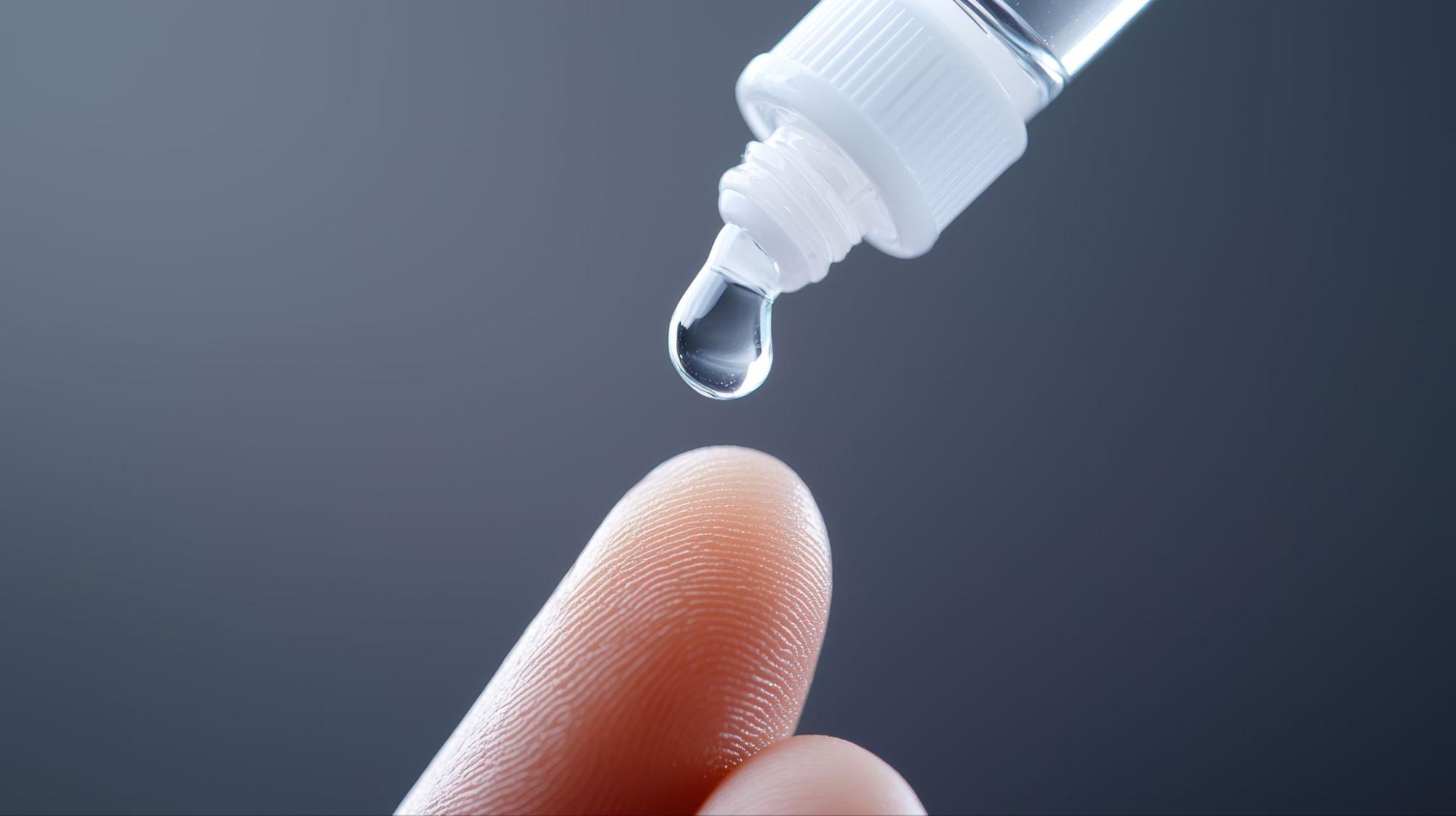
Artificial Tears come in different types and formulations, each designed to suit different levels of dry eye symptoms and personal needs. Understanding the differences can help you choose the right option for more comfortable and effective eye relief.
Preservative-Free Artificial tears
These are ideal for people with sensitive eyes or those who need to use eye drops frequently. Since they don’t contain preservatives, they are gentler and reduce the risk of irritation with long-term use.
Preservative-Containing Artificial Tears
These types contain added preservatives to keep the bottle sterile after opening. They are usually suitable for mild or occasional dry eye symptoms, but may cause irritation if used too often.
Watery Artificial tears
Watery formulations are light and similar to natural tears. They provide quick relief for mild dryness and are great for daytime use when you need fast, refreshing comfort.
Gel Artificial Tears
Gel-based drops are thicker than watery ones, so they stay on the eye longer. They are helpful for moderate dryness and provide more sustained moisture throughout the day or night.
Ointments Artificial tears
Ointment types are the thickest form, offering long-lasting lubrication and protection. They are usually used before bedtime because they can temporarily blur vision.
Artificial Tears offer simple yet effective relief for everyday dry eye discomfort, helping you keep your eyes feeling fresh, comfortable, and healthy.
- Relieves Dryness and Irritation: Helps soothe dry, itchy, or burning eyes by adding extra moisture to the eye surface.
- Reduces Eye Fatigue: Eases tired eyes caused by long screen time, reading, or focusing for extended periods.
- Improves Daily Comfort: Keeps your eyes feeling more refreshed and comfortable throughout the day.
- Supports Natural Tear Function: Helps supplement your natural tears when your eyes don’t produce enough moisture.
- Protects Against Environmental Factors: Provides relief from dryness caused by air conditioning, wind, smoke, or pollution.
- Enhances Contact Lens Comfort: Helps reduce dryness and discomfort for contact lens wearers.
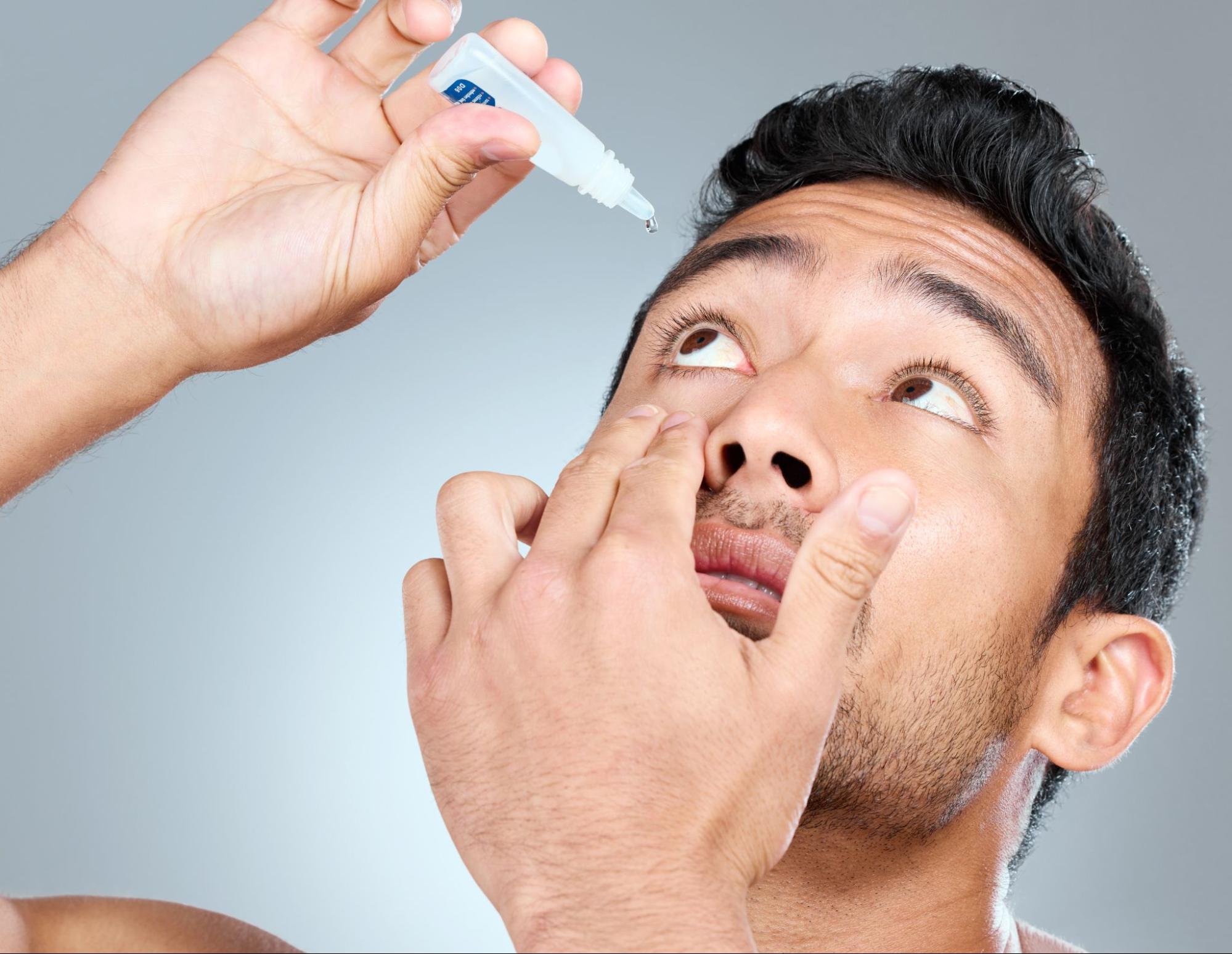
Using Artificial Tears the right way helps you get the most relief while keeping your eyes safe and comfortable. Here’s a simple step-by-step guide you can follow
- Wash your hands first : Always clean your hands thoroughly before touching your eyes or eye drops to avoid contamination.
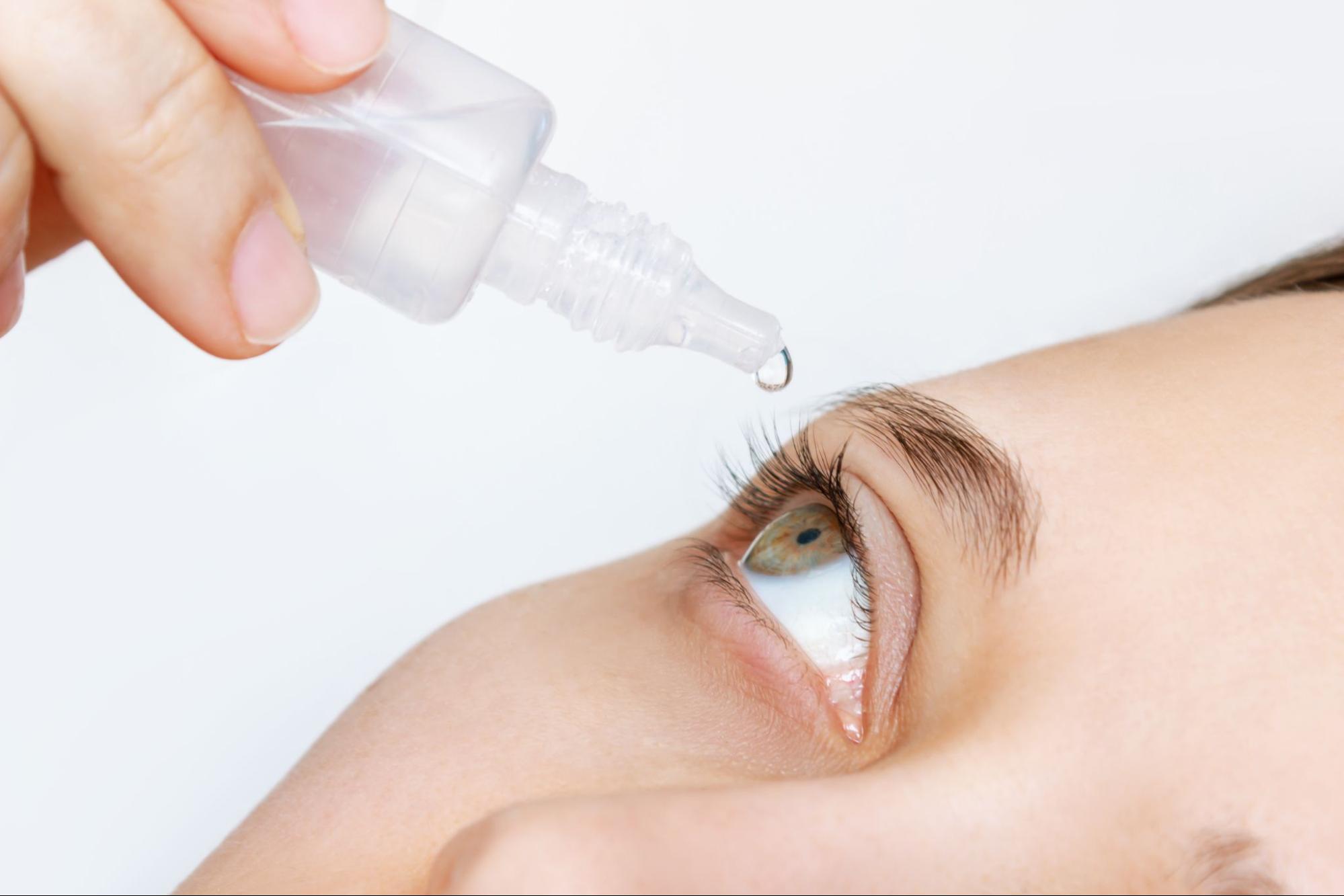
- Prepare your eye : Tilt your head back slightly, look upward, and gently pull down your lower eyelid to create a small pocket.
- Apply the drops : Hold the bottle above your eye and squeeze out the recommended number of drops into the lower eyelid pocket.
- Avoid touching the tip : Make sure the dropper tip doesn’t touch your eye, fingers, or any surface to keep it clean.
- Close your eyes gently : Keep your eyes closed for a short moment to allow the drops to spread evenly. You can lightly press the inner corner of your eye to help keep the drops in place.
- Don’t rub your eyes : Avoid rubbing immediately after use to prevent irritation and ensure the drops work properly.
- Expect temporary blur (if using gel/ointment) : Thicker formulations like gels or ointments may cause short-term blurred vision, so it’s best to use them when you don’t need sharp vision right away.
Artificial Tears are generally safe and well-tolerated, but like any eye care product, they may cause mild side effects in some people.
- Mild temporary irritation : Some users may feel slight stinging or discomfort right after applying the drops.
- Blurred vision (especially gels or ointments) : Thicker formulas can cause short-term blurriness after use.
- Mild eye redness or sensitivity : Rarely, certain ingredients or preservatives may cause mild irritation in sensitive eyes.
- Allergic reaction (uncommon) : In very rare cases, some people may be sensitive to specific components in the drops.
- Overuse discomfort : Using drops too frequently may sometimes lead to mild eye dryness rebound in certain cases.
Overall, Artificial Tears are considered safe for most people when used as directed and can be a helpful part of daily dry eye care.
Most of the time, dry eyes are more annoying than dangerous that gritty, tired, “sand in your eyes” feeling that comes and goes, especially after screen time or being in air-conditioned rooms. But there are moments when it’s better not to just push through it and hope it goes away. You should consider seeing a doctor if you notice any of these signs
- Your symptoms don’t improve even after using artificial tears or adjusting your environment
- Eye discomfort becomes constant and starts affecting your daily focus or work
- Your eyes are often red, irritated, or burning, not just occasionally
- You experience blurry vision that comes and goes throughout the day
- You feel like your eyes are overly sensitive to light
- You rely on eye drops very frequently just to feel “normal”
- There’s discharge, swelling, or pain, which could suggest something more than simple dryness
Dry eye might seem minor at first, but when it sticks around or starts interfering with your routine, it could be linked to an underlying issue that needs proper treatment. If you start experiencing persistent eye discomfort, blurry vision, or changes in how clearly you see similar to other eye conditions like Cataract, it’s important to get it checked early. You can read more about Cataract and also learn about Cataract surgery as a treatment option.
Artificial tears are a simple but effective way to relieve dry, irritated eyes caused by everyday factors like screen time, air conditioning, or long hours of work. They help restore moisture and comfort without treating an underlying medical condition, making them a safe go-to for occasional dryness. However, if your symptoms keep coming back or start to get worse, it’s a good idea to check in with an eye care professional to make sure there isn’t something more going on.
If you’re experiencing ongoing dry eye discomfort or simply want to take better care of your vision, a consultation at Samitivej Chinatown can be a great next step. Beyond eye care advice, the hospital also offers advanced vision correction solutions such as LASIK, Femto LASIK, and SMILE Pro, designed to help reduce dependence on glasses or contact lenses with modern, precise technology. It’s a convenient way to explore whether you’re suitable for a long-term vision improvement option while also making sure your eye health is properly assessed by specialists.
Can I become dependent on artificial tears?
Yes, you can feel like you “need” artificial tears if you use them often, but they are not addictive. Frequent use usually means your eyes are still dry or there’s an underlying issue that hasn’t been addressed.
Can I use artificial tears with my contact lenses?
Yes, but it depends on the type of artificial tears. Some are specially formulated to be safe for use with contact lenses, while others should be used only after removing your lenses. If you wear contacts often, it’s best to choose lens-friendly or preservative-free options and always follow the product instructions or your eye care professional’s advice.
How long do artificial tears last once opened?
Once opened, artificial tears come in two main types:
- Single-dose vials (small tubes): should be used immediately after opening and discarded after one use.
- Multi-dose bottles: should generally be used within 1 month after opening to ensure safety and effectiveness.
Always check the packaging, as instructions may vary by brand.
Is it safe to use artificial tears long-term?
Yes, artificial tears are generally safe for long-term use, especially preservative-free options. However, if you need to use them frequently over a long period, it may indicate an underlying issue like chronic dry eye that should be checked by an eye specialist.
Can children use artificial tears?
Yes, children can use artificial tears, but it’s best to choose gentle, preservative-free options and use them under the guidance of a parent or eye care professional. If a child has ongoing eye dryness or irritation, it’s important to have their eyes checked to rule out any underlying condition.