PRK Eye Surgery: A Proven Path to Clearer Vision
Article by: seoteam seoteam Last updated: 10 October 2026

Ready to wake up with clear vision? While many people have heard of Lasik, it isn't the only way to achieve visual freedom. Photorefractive keratectomy, commonly known as PRK, is a time-tested laser eye surgery that has helped millions see the world more clearly, especially those who might not be eligible for other procedures.
Key Takeaway
- PRK is a surface-based laser surgery ideal for patients with thin corneas or active lifestyles.
- Unlike Lasik, PRK does not involve creating a corneal flap, reducing the risk of flap-related complications.
- The procedure effectively treats Myopia, Hyperopia, and astigmatism with high long-term success rates.
- Recovery takes slightly longer than SMILE Pro, but the final visual outcomes are equally excellent.
Table of Contents
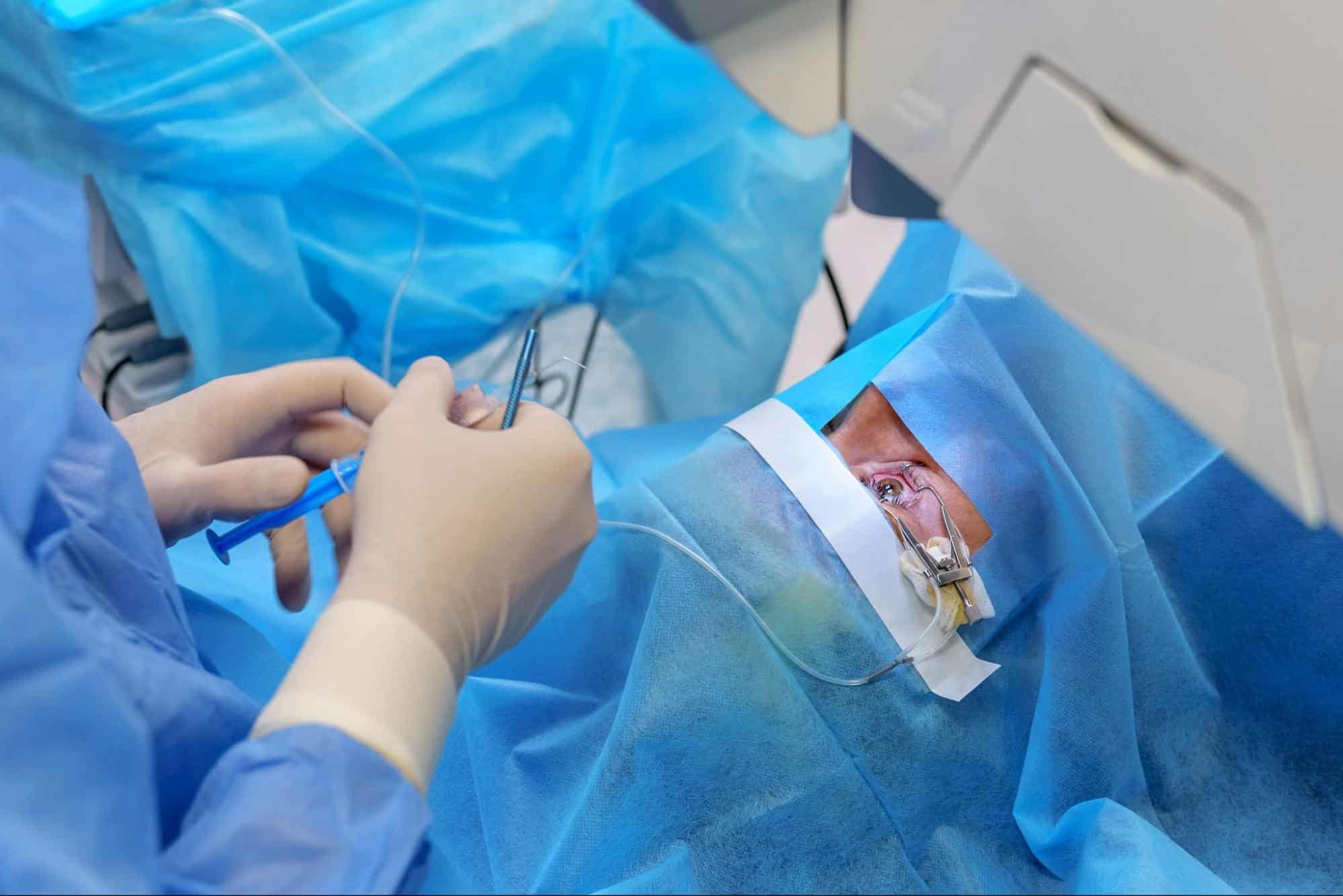
Photorefractive keratectomy (PRK) was the first type of laser eye surgery for vision correction, preceding the popular Lasik method. It works by using an excimer laser to reshape the cornea, allowing light to focus correctly on the retina.
The primary difference between PRK and Femto Lasik is how the surgeon accesses the inner cornea. In PRK, the thin outer layer (epithelium) is gently removed rather than creating a flap. This layer naturally regrows within a few days after the surgery.
PRK uses excimer laser technology to precisely reshape the cornea, allowing incoming light to focus more accurately on the retina and improving refractive errors such as myopia, hyperopia, and astigmatism.
Unlike LASIK, PRK does not require the creation of a corneal flap. Instead, the outer epithelial layer is removed before the laser reshapes the underlying corneal tissue. At Samitivej Chinatown, PRK is performed with the ZEISS MEL 90 excimer laser from Germany. The system works at 500 Hz with a 0.7 mm laser beam and an eye-tracking function that stops treatment automatically if the eye moves too much, so the laser can follow each patient's own prescription.
Recovery after PRK is gradual, with the eyes healing over several days while vision continues improving over the following weeks.
- Bandage Contact Lens: After surgery, a bandage contact lens is placed over the eye to protect the corneal surface and support healing.
- Rest After Surgery: Patients should arrange transportation home and spend the first day resting, as vision will initially be blurry and the eyes may feel sensitive.
- Activity Restrictions: Taking a few days off work may be recommended, while strenuous exercise should generally be avoided for about one week, or for as long as your surgeon advises, to support healing.
- Temporary Discomfort: Eye pain or discomfort may occur for around 2–3 days after PRK and is usually managed with recommended pain-relief medication.
- Eye Drops and Sun Protection: Prescribed eye drops should be used as directed, while sunglasses can help protect the healing eyes from sunlight during recovery.
Vision is usually blurry for the first few days while the surface layer of the cornea heals, and it may dip slightly again right after the bandage contact lens is removed, usually around day 4 to 7. Most people have functional vision within 2 to 4 weeks, and sharpness continues to settle over 1 to 3 months. For some patients, especially those with higher prescriptions, the final result can take longer.
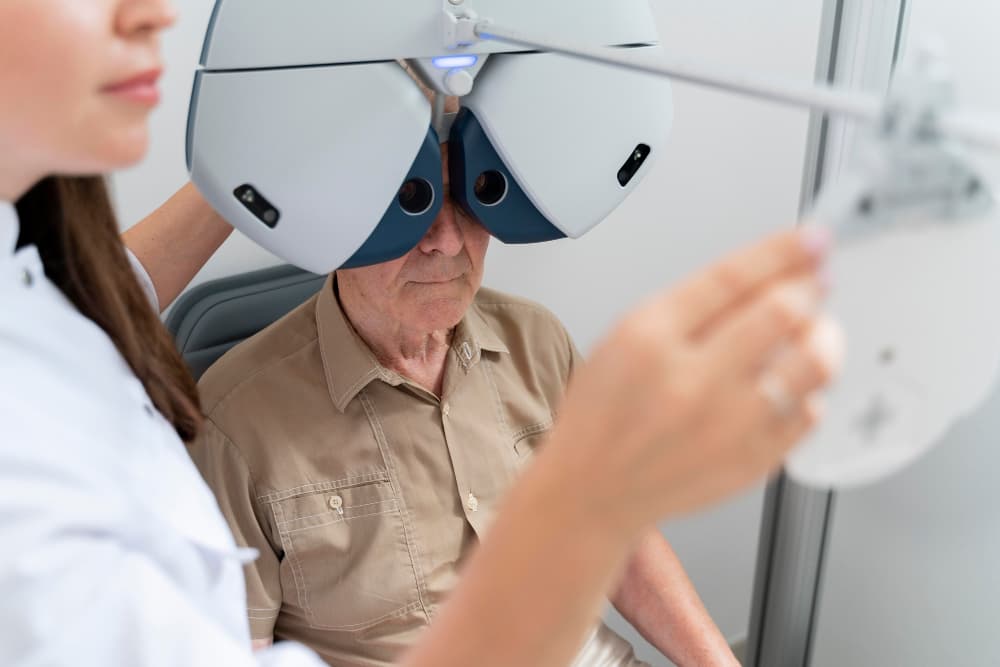
PRK is an excellent alternative for individuals who may not qualify for SMILE Pro or other flap-based surgeries. You might be a great candidate if
- You have thin or irregular corneas.
- You are 18 years of age or older, with a stable eye prescription for at least one year
- You have mild to moderate myopia or astigmatism. At Samitivej Chinatown, PRK is generally suited to myopia up to about 5.00 D and astigmatism up to [confirm: 2.00 or 5.00] D, as confirmed by your eye examination.
- You participate in contact sports or have a job (like the military or police) where a corneal flap injury is a concern.
- You are concerned about dry eye after surgery. Because PRK does not create a corneal flap, it generally affects the corneal nerves less than LASIK, but dryness can still occur, and existing dry eye should be assessed and treated before surgery.
Like any surgical procedure, PRK can cause temporary side effects and, less commonly, longer-term complications. Most early symptoms improve as the corneal surface heals, while some effects may require ongoing monitoring or additional treatment.
Short-term
- Eye discomfort or pain: Pain, soreness, or irritation is most noticeable during the first 2 to 3 days while the corneal surface (epithelium) heals. It usually eases once the surface closes and the bandage contact lens is removed, and your doctor will advise on pain relief if needed.
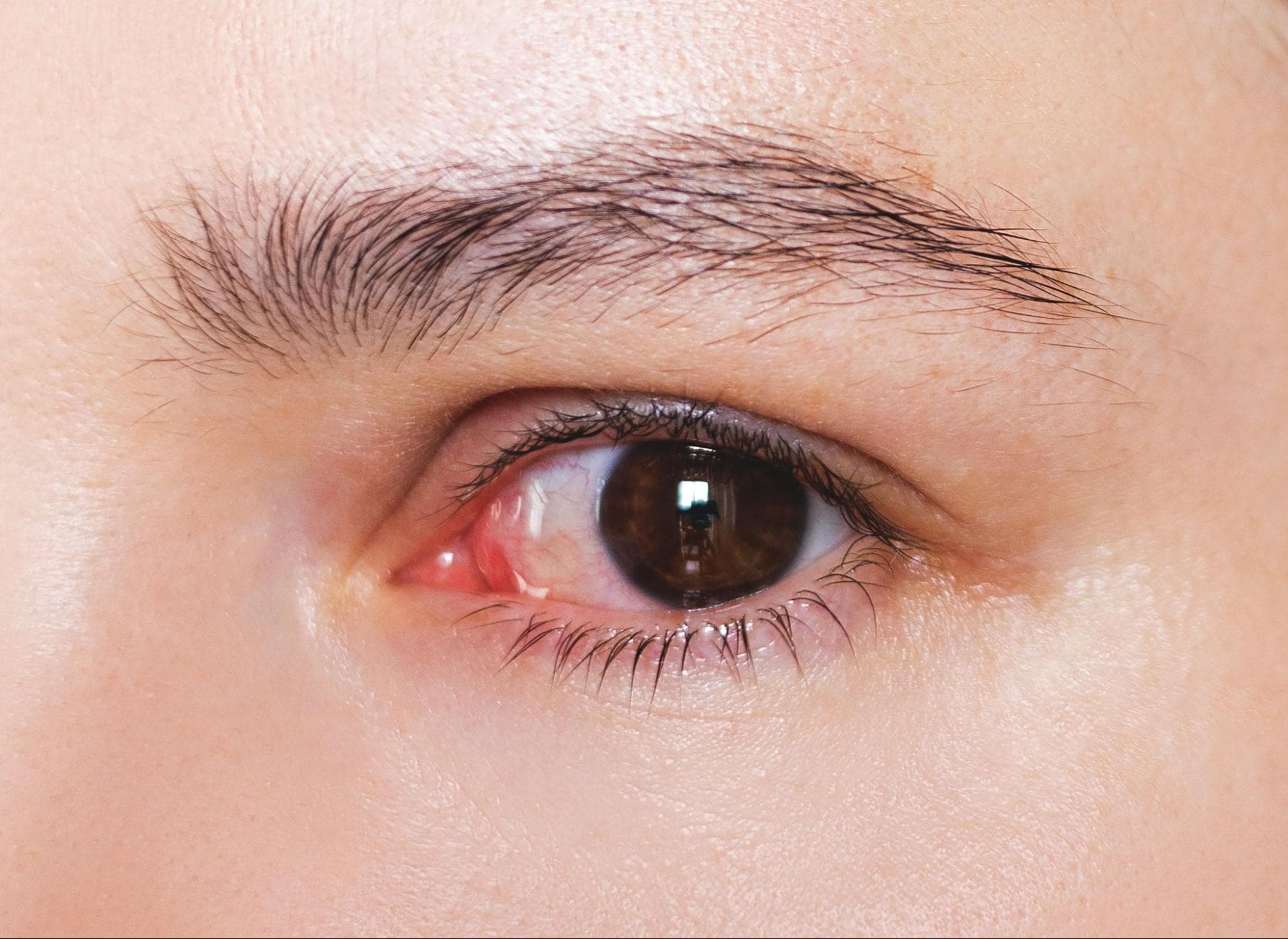
- Foreign body sensation: Some patients may feel as though something is in the eye during the early recovery period.
- Blurry or hazy vision: Vision is often blurred shortly after PRK and gradually improves as the cornea heals.
- Light sensitivity and tearing: Photophobia, watery eyes, and temporary visual disturbances such as double vision may occur during the first few days.
- Dry eyes: Tear production may temporarily decrease after PRK, and lubricating eye drops may be recommended to relieve dryness and irritation.
Long-term
- Corneal haze: Mild, temporary cloudiness of the cornea can appear in the first weeks to months after PRK and usually fades on its own within several months. Significant haze is uncommon, but the risk is higher after treatment of higher prescriptions, and a few patients may need additional treatment.
- Glare, halos, or starbursts: Low-light vision problems may persist for some patients, especially at night, although they often improve as healing continues.
- Reduced corrected vision: In rare cases, vision may not be as clear as before surgery even when using glasses or contact lenses.
- Increased intraocular pressure: Steroid eye drops, which are used to control inflammation and haze, can raise eye pressure in some patients. This is checked at follow-up visits and is usually managed by adjusting or changing the drops.
- Infection or scarring: Infection is uncommon but can range from mild to severe. Serious cases may lead to corneal scarring and require additional treatment.
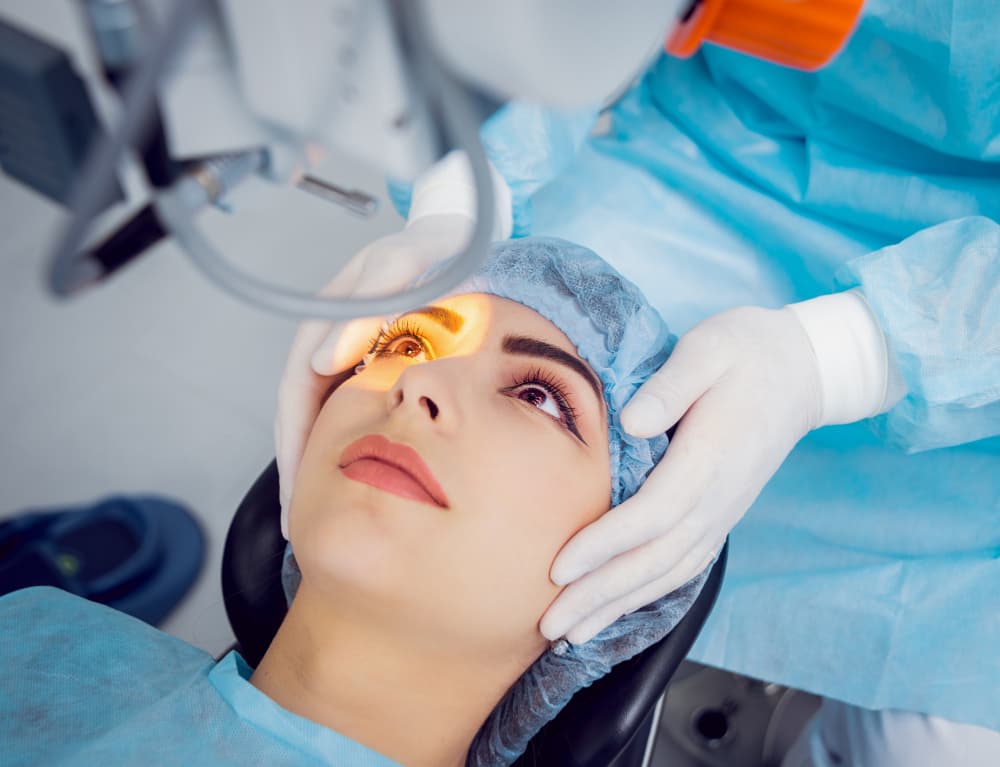
Good preparation sets the stage for the best possible outcome. Here's what to do, and what to avoid, before your PRK procedure.
- Stop wearing soft contact lenses at least 2 weeks before your pre-operative exam and surgery date; rigid gas-permeable lenses should be discontinued at least 3-4 weeks prior (your surgeon will give specific guidance)
- Contact lenses alter the shape of the cornea and can affect the accuracy of pre-op measurements, this step is non-negotiable
- Avoid eye makeup, lotions, or perfumes on the day of surgery to minimize infection risk
- Arrange for someone to drive you home, you will not be able to drive yourself after the procedure
- Wear comfortable clothing and avoid any eye makeup
- Follow any fasting or medication instructions provided by your care team
The entire process is quick, usually taking about 10-15 minutes for both eyes
- Numbing: Anesthetic drops are applied so you won't feel pain.
- Epithelium Removal: The surgeon removes the thin outer layer of the cornea.
- Laser Reshaping: An excimer laser precisely sculpts the corneal tissue based on your unique prescription.
- Bandage Contact Lens: A clear, non-prescription “bandage” contact lens is placed over the eye to protect it while the surface cells regrow.
Recovery from PRK requires a bit more patience than LASIK, but with the right aftercare, the results are well worth it.
- Days 1-4: The healing phase
The first few days after PRK are the most uncomfortable. Your eyes may feel scratchy, watery, or sensitive to light as the epithelium grows back, which is a normal part of healing. Arrange for someone to drive you home, rest afterward, and avoid strenuous activity for up to a week. Over-the-counter pain relievers usually control discomfort, so call your ophthalmologist if they are not enough. Use your prescribed eye drops exactly as directed, avoid rubbing your eyes, and wear sunglasses outdoors for as long as your doctor advises to protect against corneal scarring.
- Days 4-7: Epithelium closure
By around day 4-5, the outer layer has typically closed over. Your doctor will examine your eyes and remove the bandage contact lens when appropriate. Vision may still be blurry or fluctuating — this is expected.
- Weeks 2-4: Vision stabilization begins
Most patients notice significant improvement in vision during this period. However, final visual clarity can take up to 1-3 months to fully stabilize, particularly for patients with higher prescriptions.
PRK has a high success rate for suitable patients, and results are most predictable in low to moderate myopia. In one published study of PRK for high myopia, about 96% of eyes saw better than 20/40 and 79% reached 20/20 or better three months after surgery. Results are less predictable for higher prescriptions, which also carry a higher chance of corneal haze.
Complications are uncommon and are often manageable with follow-up care. In rare cases, such as significant haze or scarring, vision with glasses or contact lenses may be reduced. Outcomes also depend on the corneal condition, healing response, and how closely post-operative instructions and follow-up visits are followed. A full eye examination is needed to confirm whether PRK suits you and what result to expect.
If you have been told your corneas are too thin for Lasik, or if your active lifestyle makes you hesitant about flap-based procedures, PRK remains a “gold standard” option. It offers a permanent solution for myopia, hyperopia, and astigmatism, providing the crisp, clear vision you’ve always wanted. Consult with an eye specialist today to see if PRK is the right fit for your eyes.
Thanapong Somkitrungroj, M.D.
Phatthicha Phinyosawatkul, M.D.
Chayanee Pothiwongsajarn, M.D.
Chunhakan Petchphansri, M.D.
Associate Professor Wannarat Satitpitakul, M.D.