Dry Eyes : Symptoms, Causes, and Treatment Options at Samitivej Chinatown
Article by: Last updated: 11 June 2026

Dry eyes are a common condition that can make your eyes feel dry, irritated, or tired, especially from daily screen time, air conditioning, or environmental factors. In this article, we’ll walk you through what dry eyes are, their common symptoms and causes, and the available treatment options to help you feel more comfortable. You’ll also learn how professional care at Samitivej Chinatown can support proper diagnosis and eye health management when symptoms persist.
Key Takeaway
- Dry eye happens when your eyes don’t make enough tears or tears evaporate too quickly, causing irritation and discomfort.
- There are 3 types: aqueous-deficient, evaporative, and mixed dry eye.
- Common symptoms include dryness, burning, redness, watery eyes, and blurry or tired vision.
- It can be triggered by screen time, air conditioning, aging, contact lenses, and daily environment.
- Most cases can be managed with simple care like artificial tears and lifestyle changes, but ongoing symptoms should be checked by an eye specialist at Samitivej Chinatown.
Table of Contents
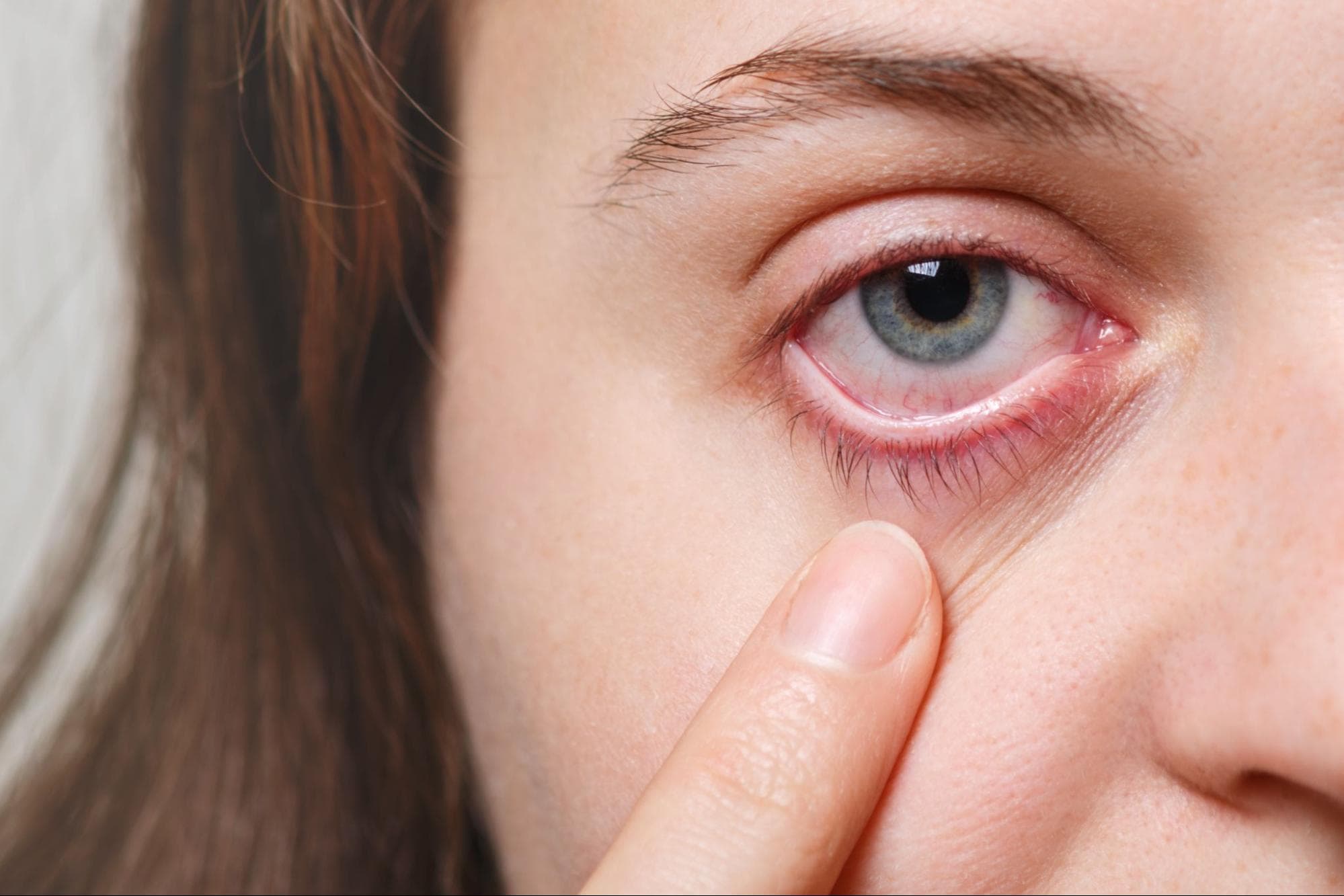
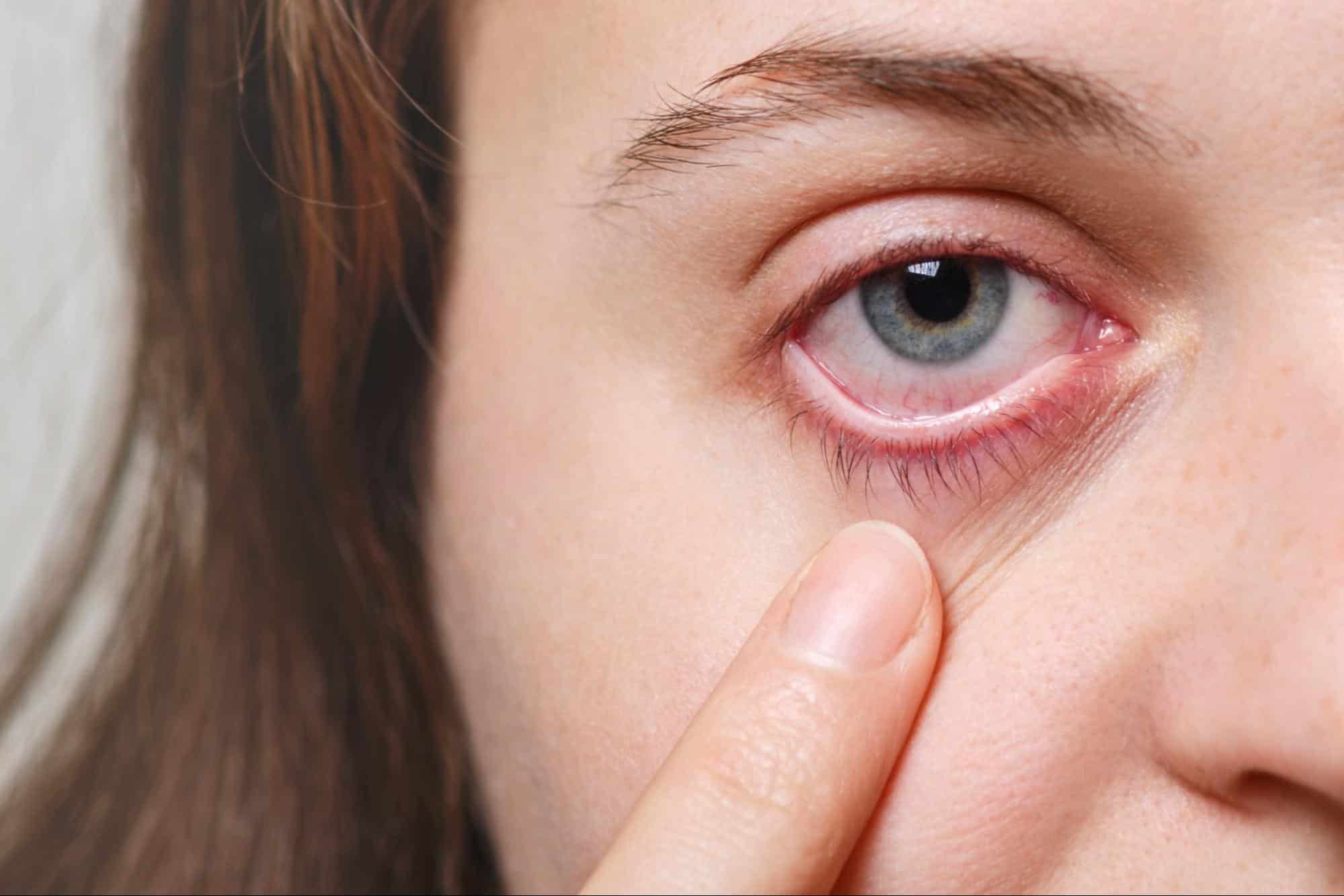
Dry eye is a common condition that happens when your eyes don’t produce enough tears, or when the tears you do have don’t stay on the eye surface long enough to keep it properly lubricated. This can make your eyes feel dry, irritated, or tired, and sometimes even a bit burning or gritty like there’s something stuck in your eye.
It’s often triggered by everyday things like long hours on screens, air conditioning, aging, or wearing contact lenses. While it’s usually not serious, dry eyes can be uncomfortable and affect your daily life if it keeps happening.
Dry eye disease isn’t the same for everyone; it actually comes in a few different forms depending on what’s going on with your tear system. Here’s a simple breakdown to help you understand it better
- Aqueous-deficient dry eye : This happens when your eyes don’t produce enough tears. As a result, your eyes may feel dry, tight, or easily irritated throughout the day.
- Evaporative dry eye : This is the most common type. Your eyes make enough tears, but they evaporate too quickly often because the oil layer of your tears isn’t working properly. It can be linked to screen time, air conditioning, or eyelid gland issues.
- Mixed dry eye : This is a combination of both types above. It means your eyes not only produce fewer tears but also lose moisture too quickly, which can make symptoms feel more persistent and harder to manage.
Knowing which type you’re dealing with can make a big difference in finding the right treatment and getting your eyes back to feeling comfortable again.

Dry eye symptoms can feel different from person to person, but they usually show up as ongoing discomfort or changes in how your eyes feel and see throughout the day. Here are some of the most common signs to watch for
- Dry or uncomfortable eyes that feel tired or irritated
- Burning or stinging sensation, especially after screen time
- Red eyes that don’t look or feel normal
- Watery eyes, even though it sounds like the opposite of dryness
- Blurred or fluctuating vision that comes and goes
- A gritty or sandy feeling, like something is stuck in your eye
- Eye strain or heaviness, especially after long use of digital devices
- Light sensitivity, making bright light uncomfortable
If these symptoms keep happening or start affecting your daily routine, it could be a sign of dry eye that may need proper care or treatment.
Sometimes, symptoms like blurry vision or eye discomfort can be confused between dry eyes and cataracts. To learn more about cataract, you can read further here: Cataract.
Dry eyes can happen for many different reasons, and most of them are related to everyday lifestyle habits or natural changes in your eyes. Understanding the cause can help you manage and prevent symptoms more effectively.
- Too much screen time (computers, phones, tablets) that reduces how often you blink
- Air conditioning or dry environments, which can make tears evaporate faster
- Aging, as tear production naturally decreases over time
- Contact lens use, which can affect tear film stability and comfort
- Hormonal changes, especially in women, which may impact tear production
- Certain medications, such as antihistamines or blood pressure drugs
- Eye conditions or eyelid gland issues, which affect tear quality
- Environmental factors, like wind, smoke, or pollution
If these factors are part of your daily life, they may be contributing to dry eye symptoms without you even realizing it.
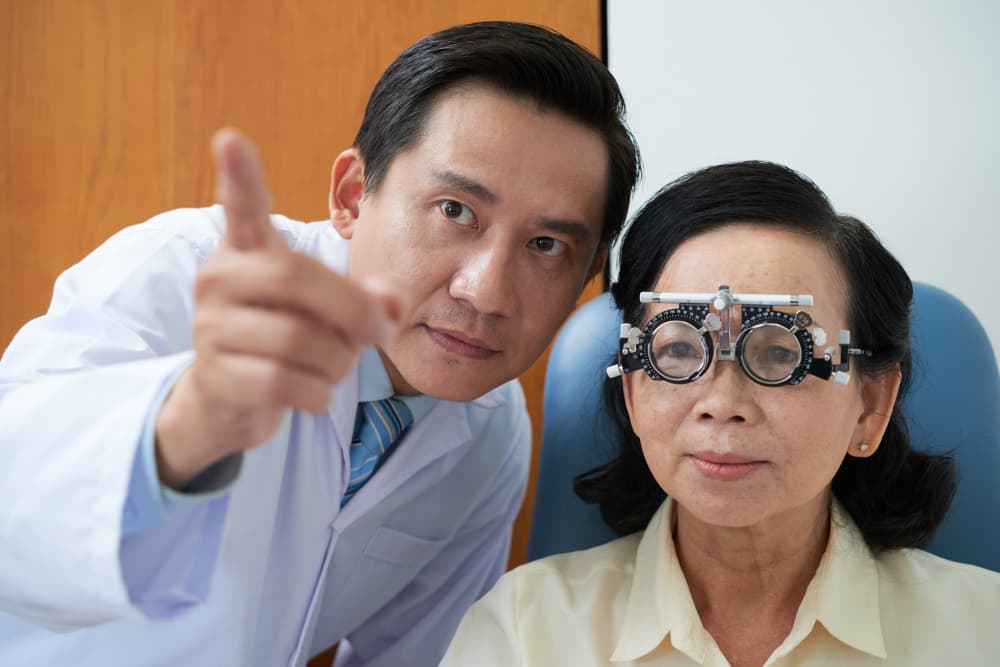
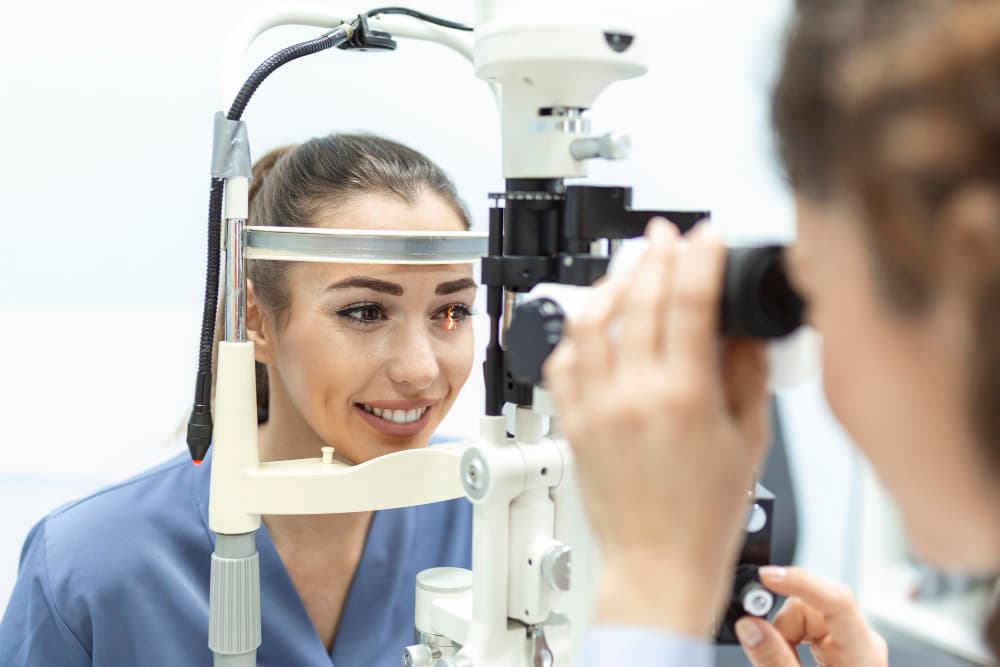
If your eyes often feel dry, irritated, or uncomfortable, an eye doctor can help identify whether it’s dry eye disease and how severe it might be. The process is usually quick and painless, focusing on both your symptoms and the health of your eyes.
- Symptom review : The doctor will ask about your daily eye discomfort, when it happens, and what makes it better or worse.
- Tear quality test : This helps check how stable your tear film is and how quickly your tears evaporate.
- Eye surface examination : A close look at the surface of your eyes helps detect dryness, irritation, or any damage.
- Eyelid and blinking check : Your blinking pattern and eyelid function are assessed because they help spread tears evenly across your eyes.
- Special eye dye test (if needed) : Safe dye drops may be used to highlight dry or damaged areas on the eye surface for a clearer diagnosis.
This simple evaluation helps doctors understand the real cause of your symptoms and choose the most suitable treatment for your eyes.
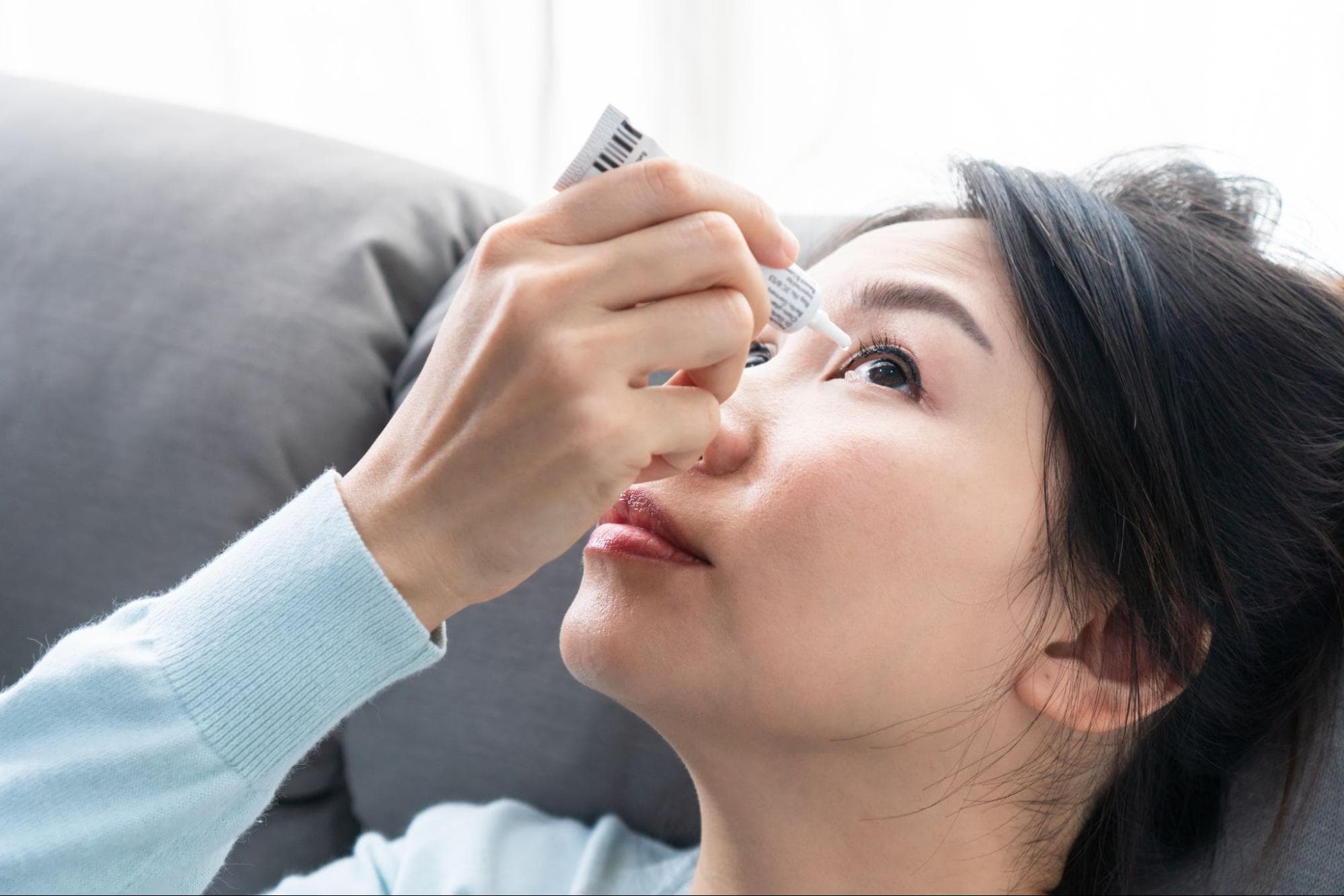
Dry eye treatment isn’t one-size-fits-all. It usually depends on what’s causing your symptoms and how severe they are. The good news is there are several simple and effective ways to help keep your eyes more comfortable in daily life.
- Artificial tears (lubricating eye drops : Help add moisture and relieve dryness, irritation, and that gritty feeling in your eyes.
- Lifestyle adjustments : Taking regular screen breaks, blinking more often, and avoiding dry or windy environments can make a big difference.
- Warm compress and eyelid care : Helps improve oil gland function, which keeps your tears from evaporating too quickly.
- Prescription eye drops (if needed) : A doctor may recommend medicated drops to reduce inflammation or improve tear production.
- Punctal plugs : Small devices placed in the tear ducts to help keep natural tears on the eye surface longer.
- Managing underlying causes : Treating conditions like eyelid problems, allergies, or medication-related dryness can help improve symptoms long-term.
With the right combination of treatments, most people can significantly reduce dry eye symptoms and get back to more comfortable, everyday vision.
Dry eyes can often be managed and even prevented by making a few small changes to your daily habits. It’s all about keeping your eyes comfortable, well-lubricated, and protected from common triggers.
- Take regular screen breaks : Follow the 20-20-20 rule: every 20 minutes, look at something 20 feet away for 20 seconds.
- Blink more often, especially when using screens : We tend to blink less when focusing, which can dry out your eyes.
- Avoid overly dry environments : Limit direct exposure to air conditioning, fans, or strong wind when possible.
- Stay hydrated : Drinking enough water helps support natural tear production.
- Wear sunglasses outdoors : Protect your eyes from wind, dust, and UV exposure.
- Maintain proper eyelid hygiene : Keeping your eyelids clean can help improve oil gland function and tear stability.
- Give your eyes regular rest : Don’t overuse contact lenses or strain your eyes for long periods without breaks.
With these simple habits, you can reduce the risk of dry eye symptoms and keep your eyes feeling more comfortable throughout the day.
Dry eye is a common condition that happens when your eyes don’t produce enough tears or when tears evaporate too quickly, leading to discomfort, irritation, and sometimes blurry vision. Throughout this article, we explored its main symptoms, causes, types, and treatment options from simple lifestyle changes and artificial tears to more advanced medical care when needed. The good news is that dry eye can usually be managed well once the cause is understood, helping you get back to more comfortable, everyday vision.
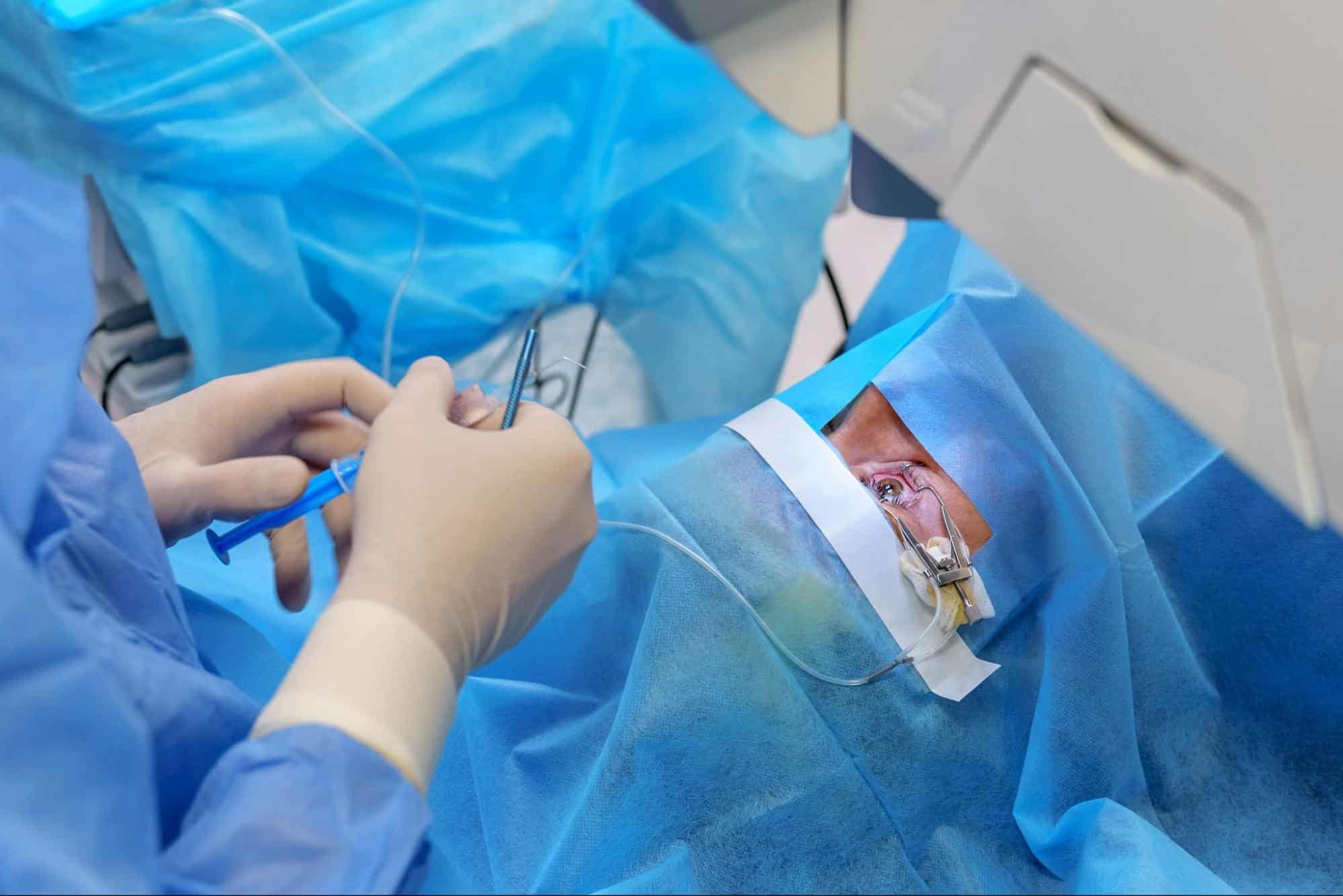
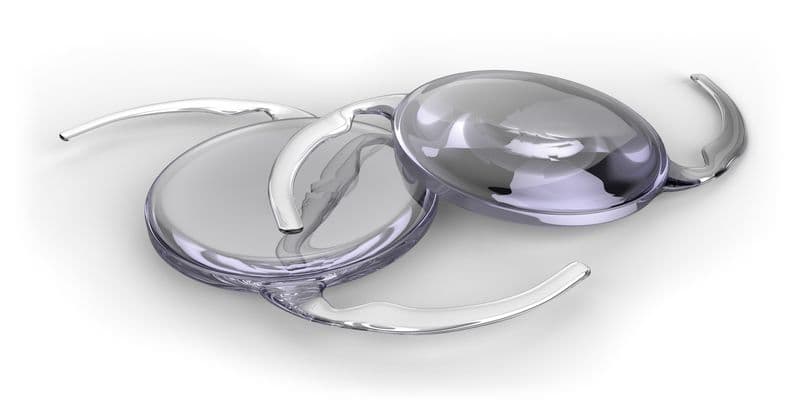
If you’re experiencing ongoing dry eye symptoms or also noticing changes in your vision, it may be a good idea to get a comprehensive eye check-up. At Samitivej Chinatown, patients can receive professional eye care and explore a range of advanced vision correction options, including Cataract surgery for age-related lens changes, LASIK for general vision correction, Femto LASIK for enhanced precision, and SMILE Pro for a minimally invasive alternative that may also be suitable for people concerned about dry eye after surgery.
Can dry eyes go away on their own?
Yes, dry eyes can sometimes improve on their own with enough rest, proper hydration, and less screen time. However, if symptoms continue or keep coming back, it’s best to see an eye specialist for proper care.
Can screen time make dry eyes worse?
Yes. Staring at screens for long periods reduces blinking, which can cause tears to evaporate faster and worsen dry eye symptoms.
When should I see a doctor for dry eyes?
You should see a doctor if symptoms keep coming back, become painful, affect your vision, or don’t improve with eye drops or lifestyle changes.
Can LASIK cause dry eyes?
Some people may experience temporary dry eyes after LASIK, but symptoms usually improve during recovery with proper eye care.