LASIK Eye Surgery: The Ultimate Path to Crystal Clear Vision
Article by: seoteam seoteam Last updated: 10 October 2026
Are you tired of the daily struggle with glasses or the irritation of contact lenses? LASIK eye surgery has revolutionized the way millions of people see the world, offering a long-term solution for vision correction that is both fast and remarkably effective. By reshaping the cornea, this advanced technology allows light to focus correctly on the retina, giving you the freedom of high-definition sight.
Highlight
- LASIK is a laser-based surgical procedure that reshapes the cornea to correct refractive vision errors
- It can effectively treat myopia, hyperopia, and astigmatism
- Multiple types are available, including Femto LASIK, SMILE Pro, and PRK, each suited to different eye profiles
- The procedure is quick, virtually painless, and most patients experience improved vision within 24 hours
Table of Contents
LASIK, which stands for Laser-Assisted In Situ Keratomileusis, is a surgical procedure designed to correct refractive errors. During the surgery, a specialized laser is used to precisely reshape the cornea, the clear front part of the eye. This adjustment ensures that light entering the eye is properly focused, resulting in sharp, clear vision without the assistance of external lenses.
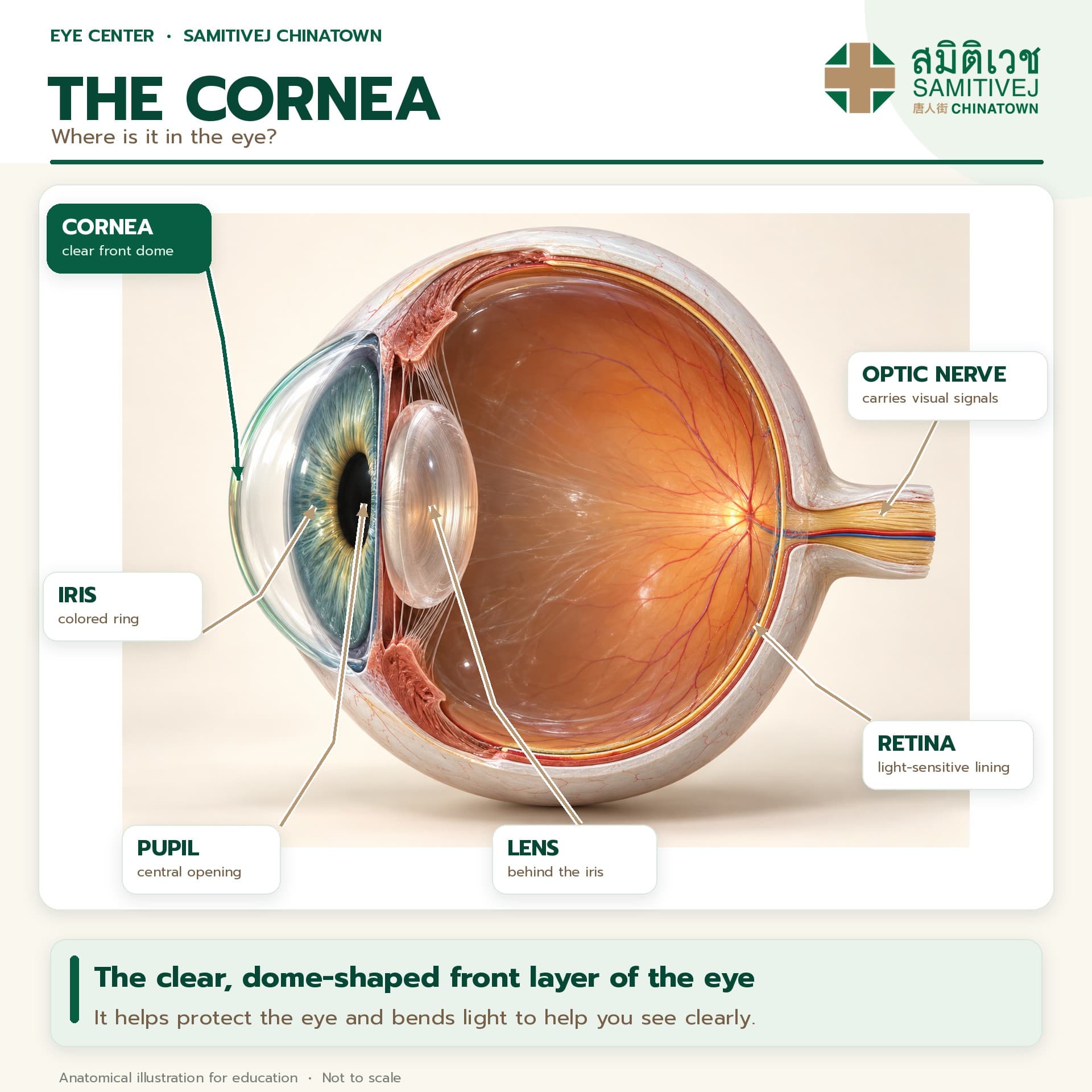
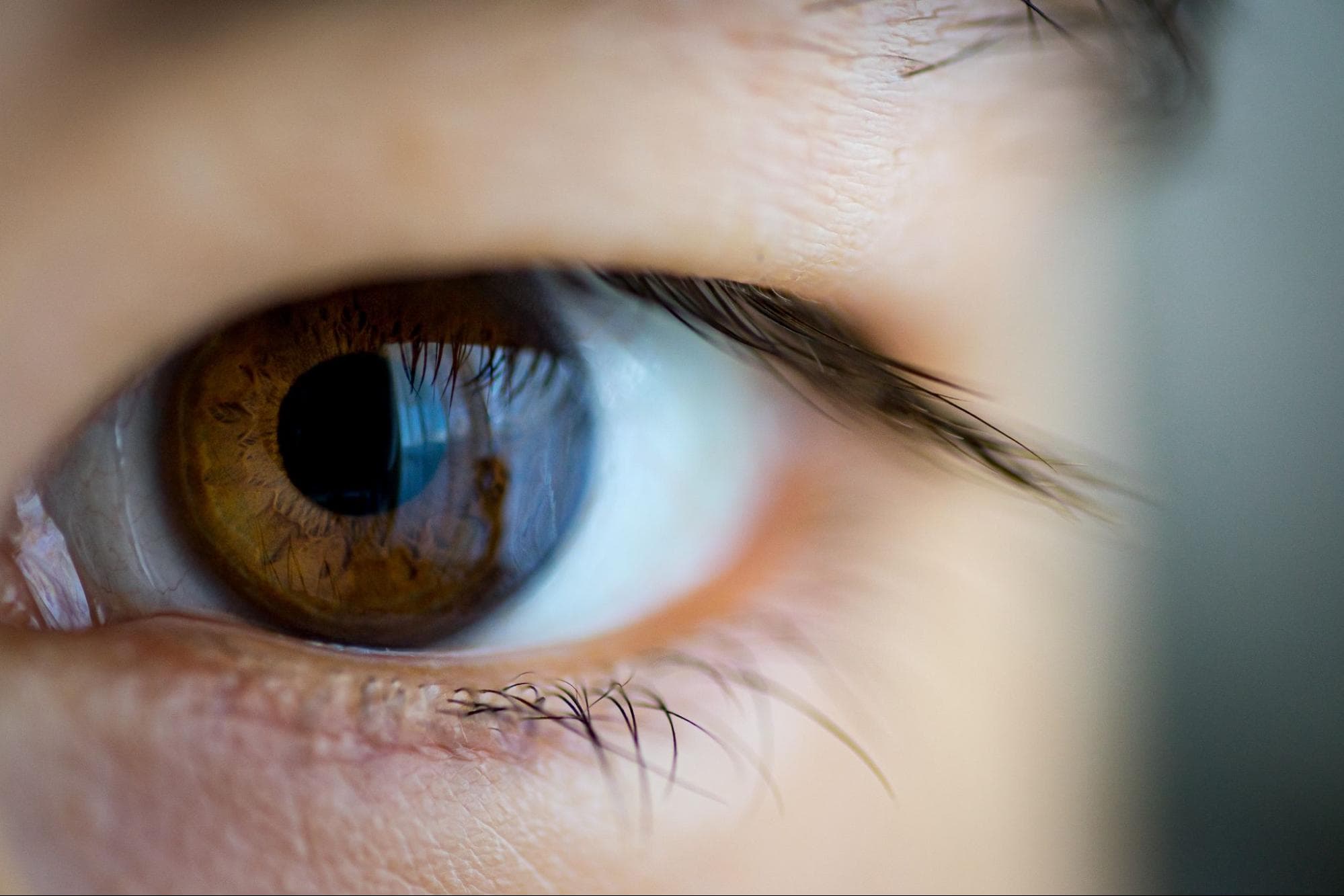
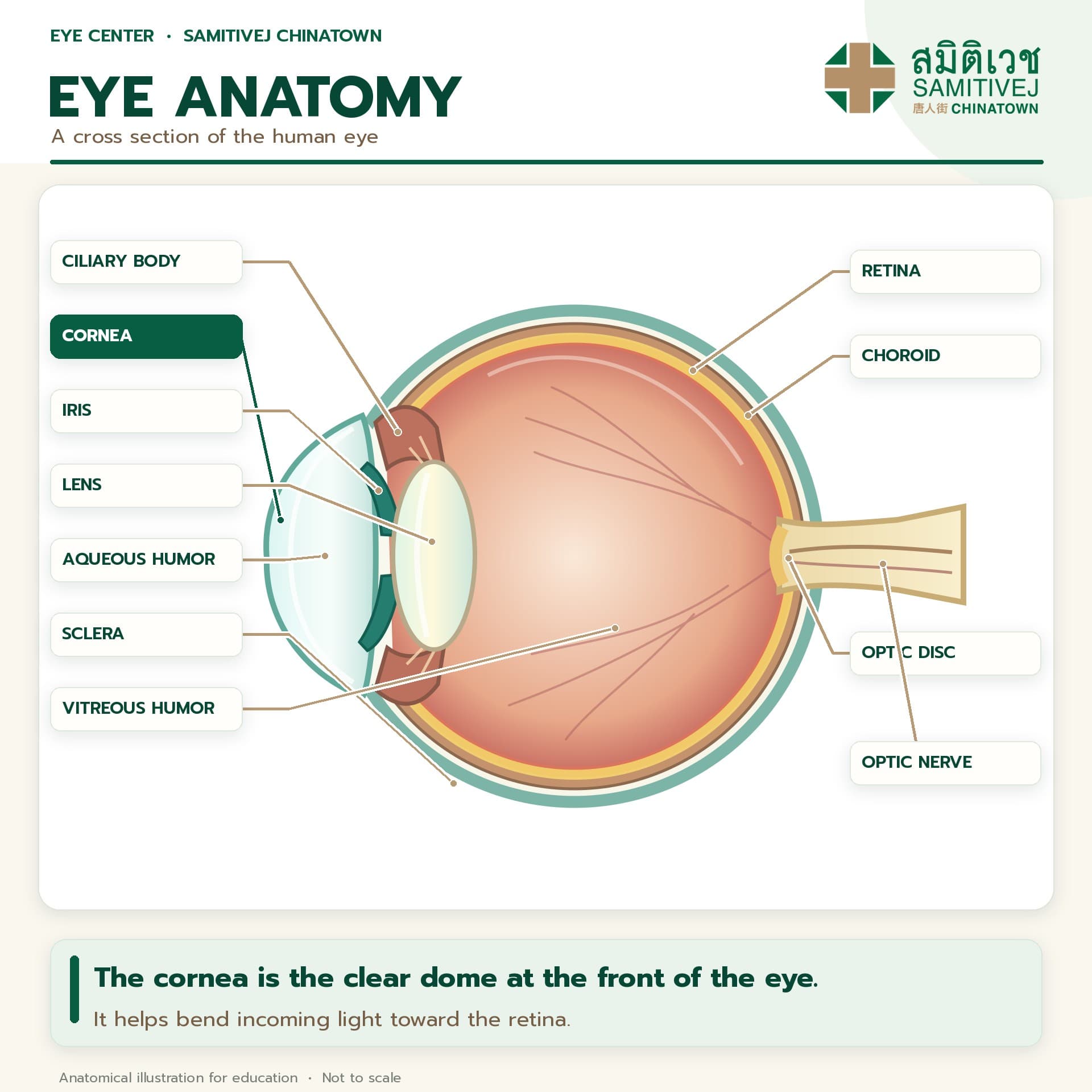
The cornea is the clear, dome-shaped outer layer at the front of the eye. It acts as the eye’s primary focusing surface, helping control how light enters the eye. When light passes through the cornea, it bends, or refracts, toward the lens. The lens then focuses the light onto the retina at the back of the eye, allowing images to be processed clearly and supporting accurate vision.
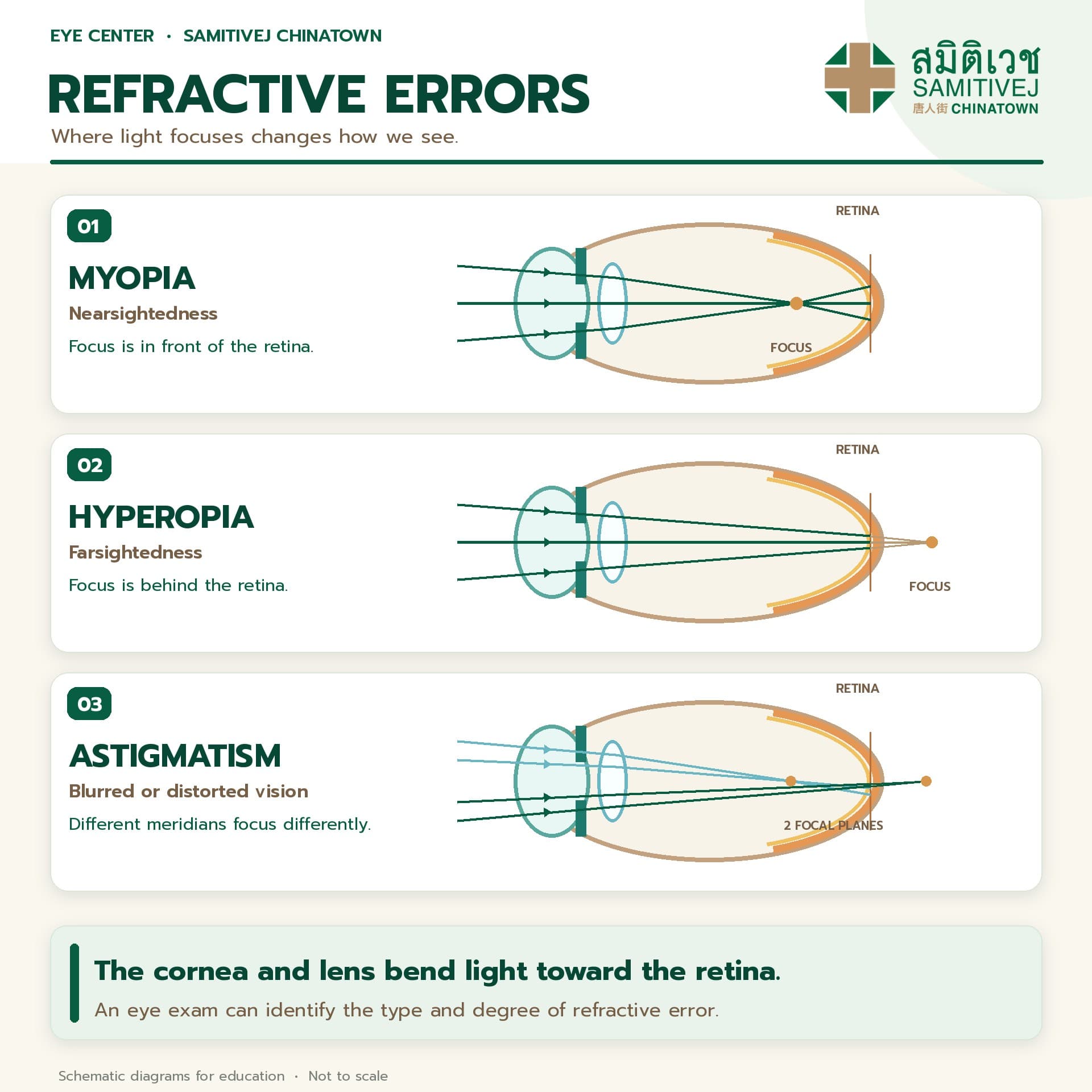
Refractive errors occur when the shape of the eye prevents incoming light from focusing precisely on the retina, resulting in blurred vision. Common types include myopia (nearsightedness), hyperopia (farsightedness), astigmatism, and presbyopia. These conditions may result from differences in eyeball length, corneal shape, or age-related changes in the lens.
LASIK reshapes the cornea to correct myopia, hyperopia, and astigmatism, allowing light to focus more accurately on the retina and reducing dependence on glasses or contact lenses. Standard LASIK does not correct presbyopia, which is caused by age-related changes in the lens.
LASIK is highly effective at addressing the most common “refractive errors” that cause blurred vision
- Myopia (Nearsightedness): In people with myopia, the eyeball is too long or the cornea is too steeply curved, causing light to focus in front of the retina rather than on it. Distant objects appear blurry. LASIK flattens the cornea to redirect the focal point onto the retina, improving distance vision.
- Hyperopia (Farsightedness): Hyperopia occurs when the cornea is too flat or the eyeball is too short, causing light to focus behind the retina. Close-up objects are difficult to see clearly. LASIK steepens the peripheral cornea to bring the focal point forward and onto the retina.
- Astigmatism: Caused by an irregularly shaped cornea, astigmatism creates two focal points instead of one, resulting in blurred or double vision at all distances. LASIK smooths out the uneven curvature, bringing the focal points into alignment for clearer, sharper vision at all distances. Some patients notice glare or halos at night after surgery, which usually improve as the eyes heal.
There is no single “best” type of LASIK. The right procedure depends on your corneal thickness, degree of refractive error, lifestyle, and overall eye health. Here is an overview of the main options available
| |
ReLEx SMILE
|
Bladeless Femto LASIK
|
Microkeratome LASIK
|
Photorefractive Keratectomy
|
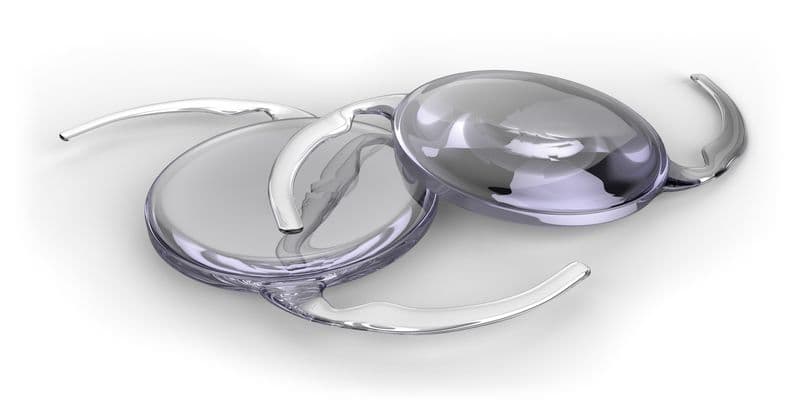
Implantable Collamer Lens
|
|
Technology
|
Femtosecond laser only
|
Femtosecond laser (flap creation) + Excimer laser (reshaping)
|
Automated microkeratome blade (flap) + Excimer laser (reshaping)
|
Excimer laser only
|
Surgical lens implant (no laser or corneal reshaping)
|
|
Correctable Vision Range
|
Myopia up to –1,000° / Astigmatism up to –500°
|
Myopia –100° to –1,000° / Astigmatism up to –600°
|
Myopia up to –1,300° / Astigmatism up to –500°
|
Myopia up to –500° / Astigmatism up to –200°
|
Myopia –100° to –1,800° / Astigmatism up to –600°
|
|
Recovery Time
|
1–2 days
|
1–2 days
|
1–2 days
|
1–2 weeks
|
a few days to 1 week
|
|
Incision Size
|
Very small (~2–4 mm)
|
Medium (flap ~20 mm arc)
|
Medium (flap ~20 mm arc)
|
None (epithelium removed, no incision)
|
Small (~3 mm)
|
|
Advantage
|
Minimal nerve disruption, less dry eye, bladeless, flapless
|
High precision flap, no blade, lower complication risk than microkeratome
|
Widely available, cost-effective, proven track record
|
Suits thin corneas; no flap, so flap-related complications do not occur. Dry eye can still happen and should be assessed before surgery
|
Reversible, suits very high prescriptions, no corneal tissue removed
|
|
Limitation
|
Higher cost; not suitable for very high prescriptions
|
Higher cost than microkeratome; flap still created
|
Blade use carries slightly higher flap-related risk
|
Slower visual recovery; not suitable for high prescriptions
|
Not a laser procedure; lens implant surgery; higher cost
|
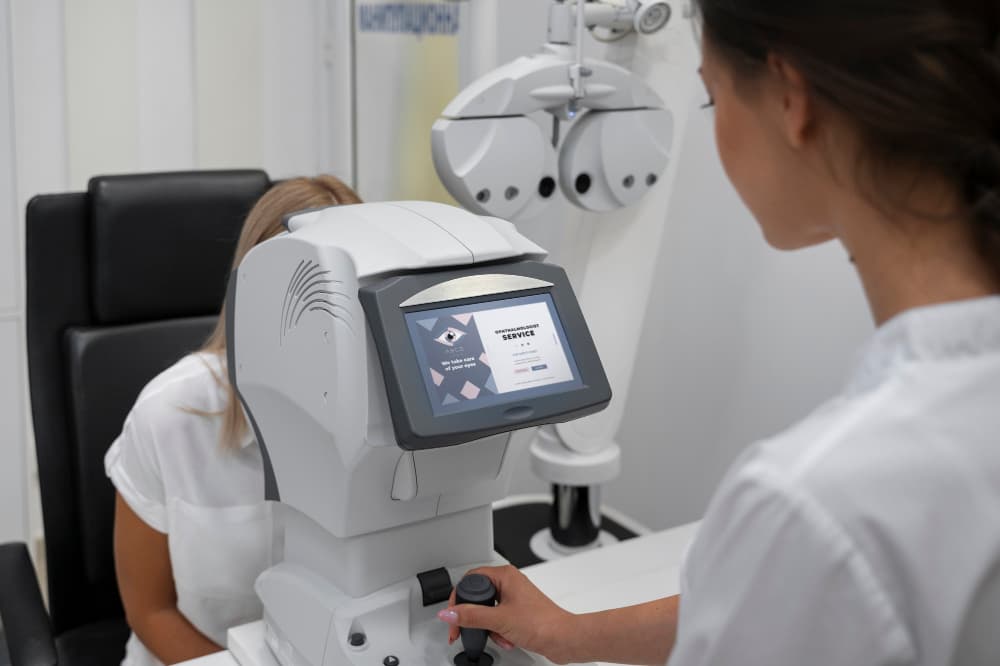
Like any medical procedure, LASIK comes with both benefits and important considerations to weigh before making a decision.
Advantages of LASIK:
- Provides a permanent correction of refractive vision errors, reducing or eliminating dependence on glasses and contact lenses
- Fast procedure with a quick recovery, most patients see clearly within one to two days
- Performed under topical anaesthetic eye drops, so there is no pain during surgery and no stitches are required
- Day surgery with no overnight hospital stay needed
- Improved quality of life and confidence in daily activities such as sports, travel, and social situations become easier without corrective eyewear
- Reduced risk of accidents caused by poor uncorrected vision
Limitations of LASIK:
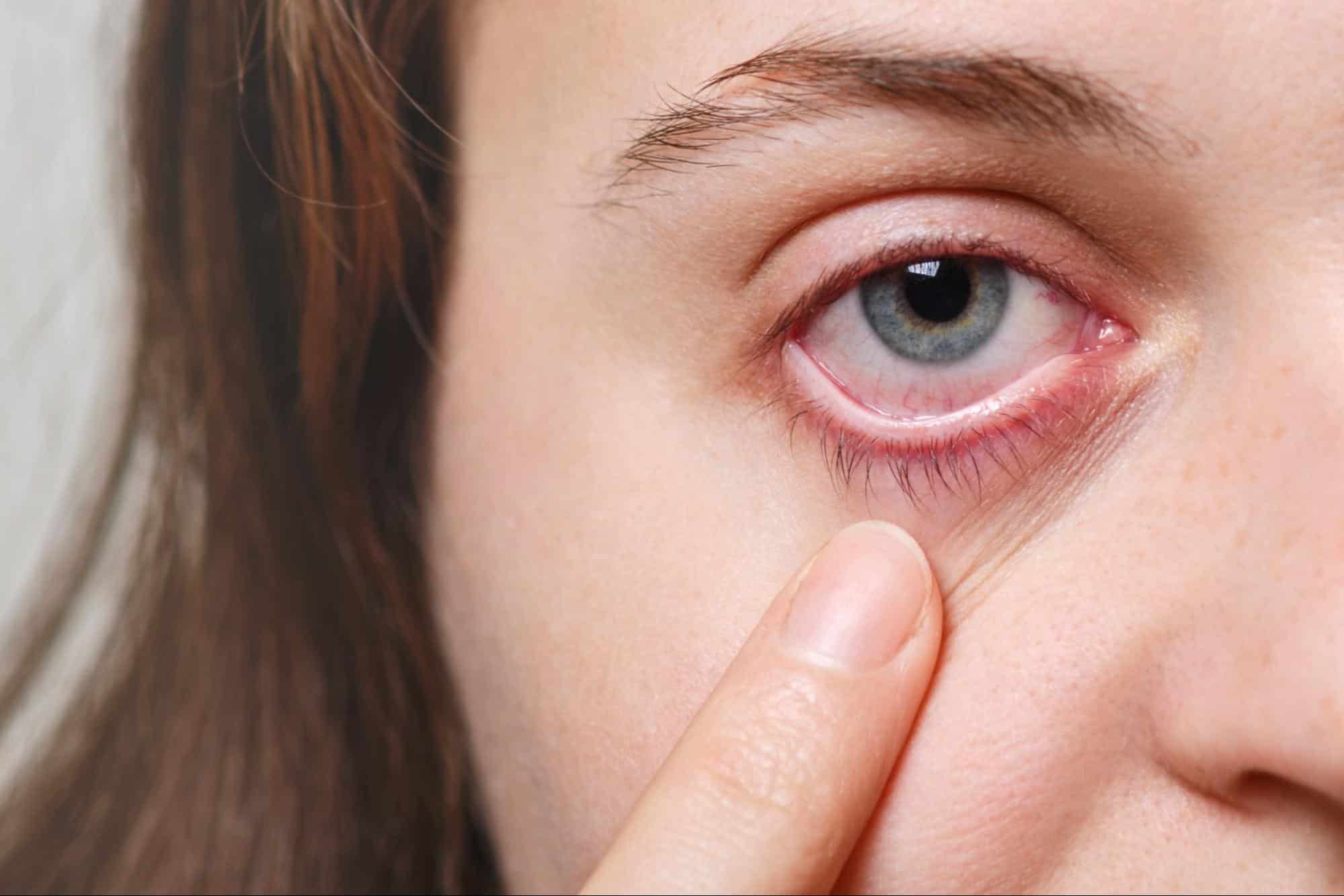
- Side effects such as dry eyes, glare, halos, or starbursts can occur, particularly in the weeks following surgery
- The upfront cost is relatively high, as it is typically not covered by standard insurance plans
- Not everyone qualifies — certain eye conditions, pregnancy, breastfeeding, and insufficient corneal thickness can rule out candidacy
- In some cases, vision may gradually regress over time, though this is uncommon and touch-up procedures are possible
LASIK is not suitable for everyone, and a comprehensive eye evaluation is the only way to confirm candidacy. In general, good candidates for LASIK tend to share the following characteristics
- Stable prescription : Vision should be unchanged, or minimally changed, for at least one year prior to surgery
- Good overall eye health : No active eye infections, diseases such as keratoconus, or history of severe dry eye
- Adequate corneal thickness : Sufficient corneal tissue must exist to safely create a flap and perform the laser correction
- Realistic expectations : Understanding both what LASIK can achieve and the small possibility that glasses may still occasionally be needed
- Age 18 or older : Most clinics prefer patients to be at least 21 to ensure vision stability
- Lifestyle or professional motivation : Those who find glasses or contacts incompatible with their daily activities, career, or sport are ideal candidates
LASIK may not be suitable for everyone. A thorough eye examination is necessary to determine whether the procedure can be performed safely.
- People under 18 years of age
- People with corneal disease, keratoconus, corneal scars, inflammation, or severe dry eyes
- People with glaucoma, cataracts, other eye diseases, or active eye infections, which need to be assessed and treated first
- People with insufficient corneal thickness
- People with unstable vision or significant prescription changes within one year
- Pregnant or breastfeeding women
- People who mainly need help with age-related reading difficulty (presbyopia), because standard LASIK does not correct it and other options may suit them better
Proper preparation helps ensure an accurate eye assessment and allows the ophthalmologist to determine the most suitable LASIK treatment for each patient.
- Stop wearing soft contact lenses at least 2 weeks before your eye examination. Toric or rigid gas permeable lenses should be stopped at least 3 weeks before, and hard lenses at least 4 weeks before. Your ophthalmologist will confirm the exact period for your lens type.
- If you only wear glasses, you can schedule a LASIK eye examination without stopping their use.
- Do not drive yourself on the assessment day, as pupil-dilating eye drops may cause blurred vision for around 4–6 hours.
- Meet with an ophthalmologist experienced in LASIK for a detailed eye examination, consultation, and personalized treatment recommendation.
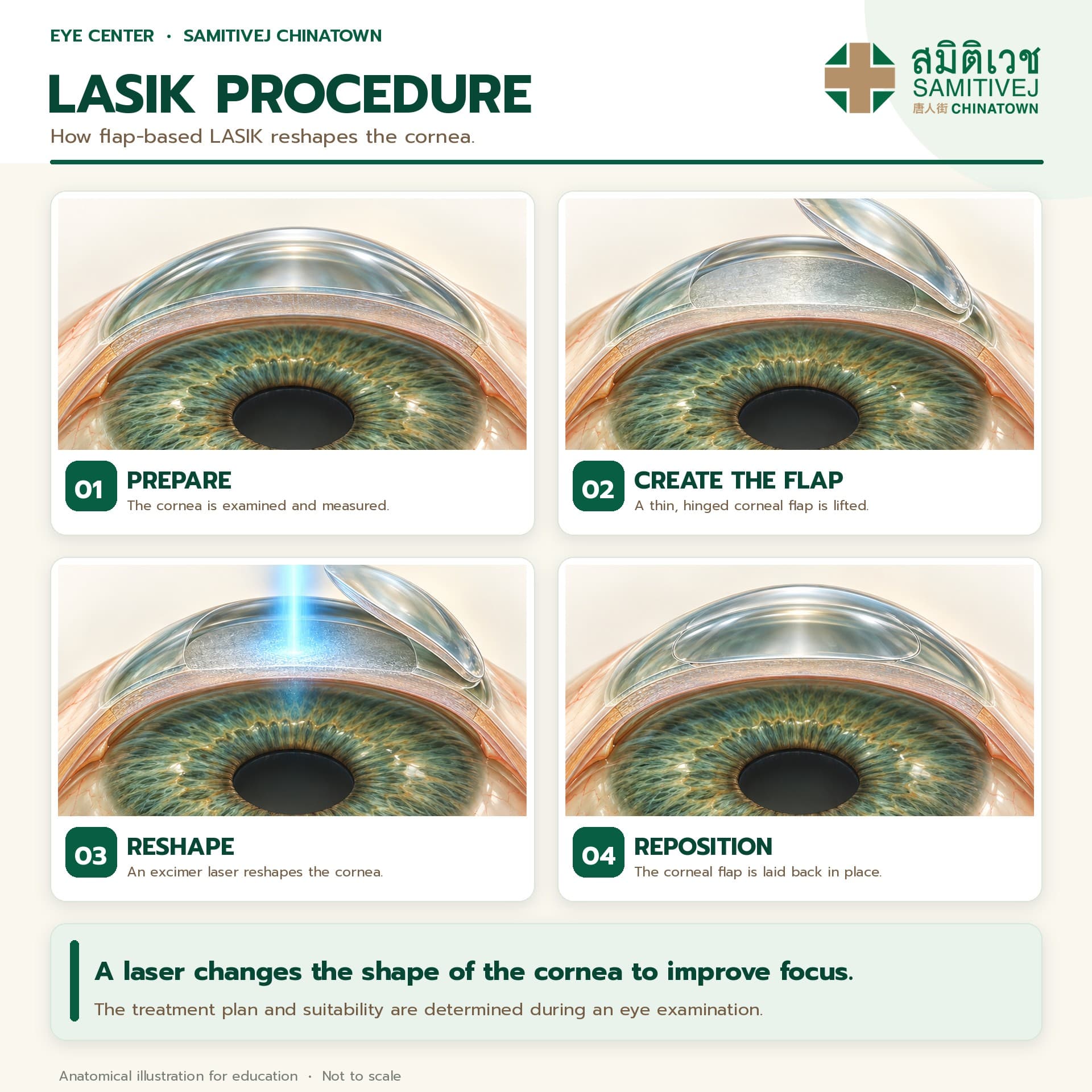
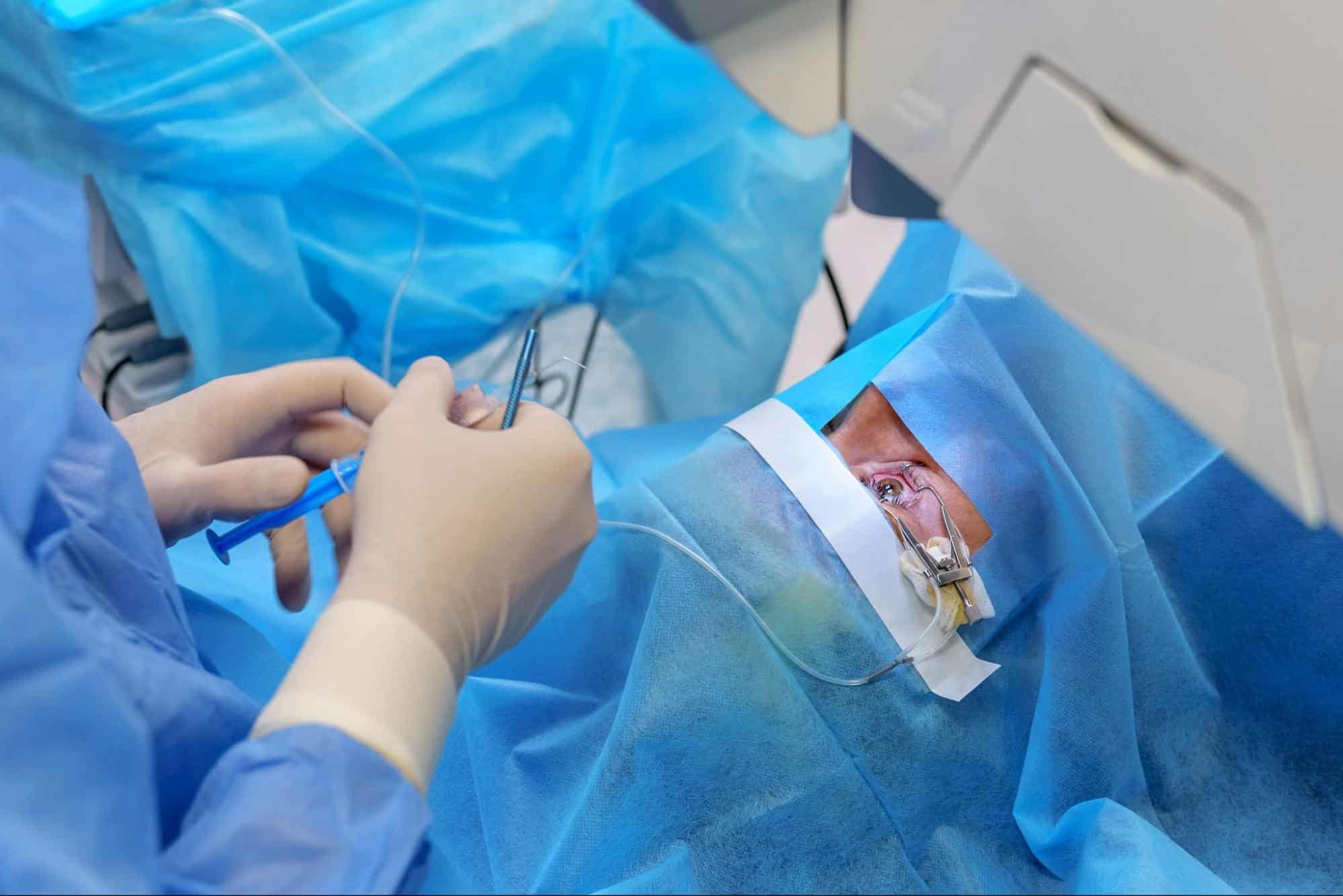
LASIK reshapes the cornea so that light can focus more accurately on the retina. The procedure is performed in several key steps, with the exact treatment plan determined after a comprehensive eye examination.
- Prepare the Eye: The cornea is carefully examined and measured to confirm the treatment plan and ensure the eye is suitable for LASIK.
- Create the Corneal Flap: A thin, hinged flap is created on the surface of the cornea and gently lifted to access the underlying corneal tissue.
- Reshape the Cornea: An excimer laser precisely reshapes the corneal tissue according to the patient’s refractive correction, helping improve how light is focused.
- Reposition the Flap: The corneal flap is carefully placed back into its original position, where it naturally adheres without stitches.
This process changes the shape of the cornea to improve visual focus, while suitability and treatment details vary for each patient.
Proper post-operative care is essential to achieving the best visual outcome and minimising the risk of complications.
- Rest your eyes in the first 24 hours : Avoid prolonged screen use and rest frequently, especially on the day of surgery
- Wear protective eye shields at night : Use the provided eye covers every night for at least one week to prevent accidentally rubbing your eyes during sleep
- Avoid strenuous exercise for at least 7 days : Sweat entering the eye can cause irritation and increase infection risk
- Wear sunglasses outdoors : Protect your eyes from UV exposure for at least one month after surgery
- Apply prescribed eye drops as directed : This includes antibiotic drops, anti-inflammatory drops, and preservative-free artificial tears to combat dry eye
- Avoid eye makeup and skincare around the eyes for at least 2 weeks, or as your ophthalmologist advises
- No swimming for at least one month : and avoid deep-sea diving for three months
- Avoid alcohol for at least one week post-surgery
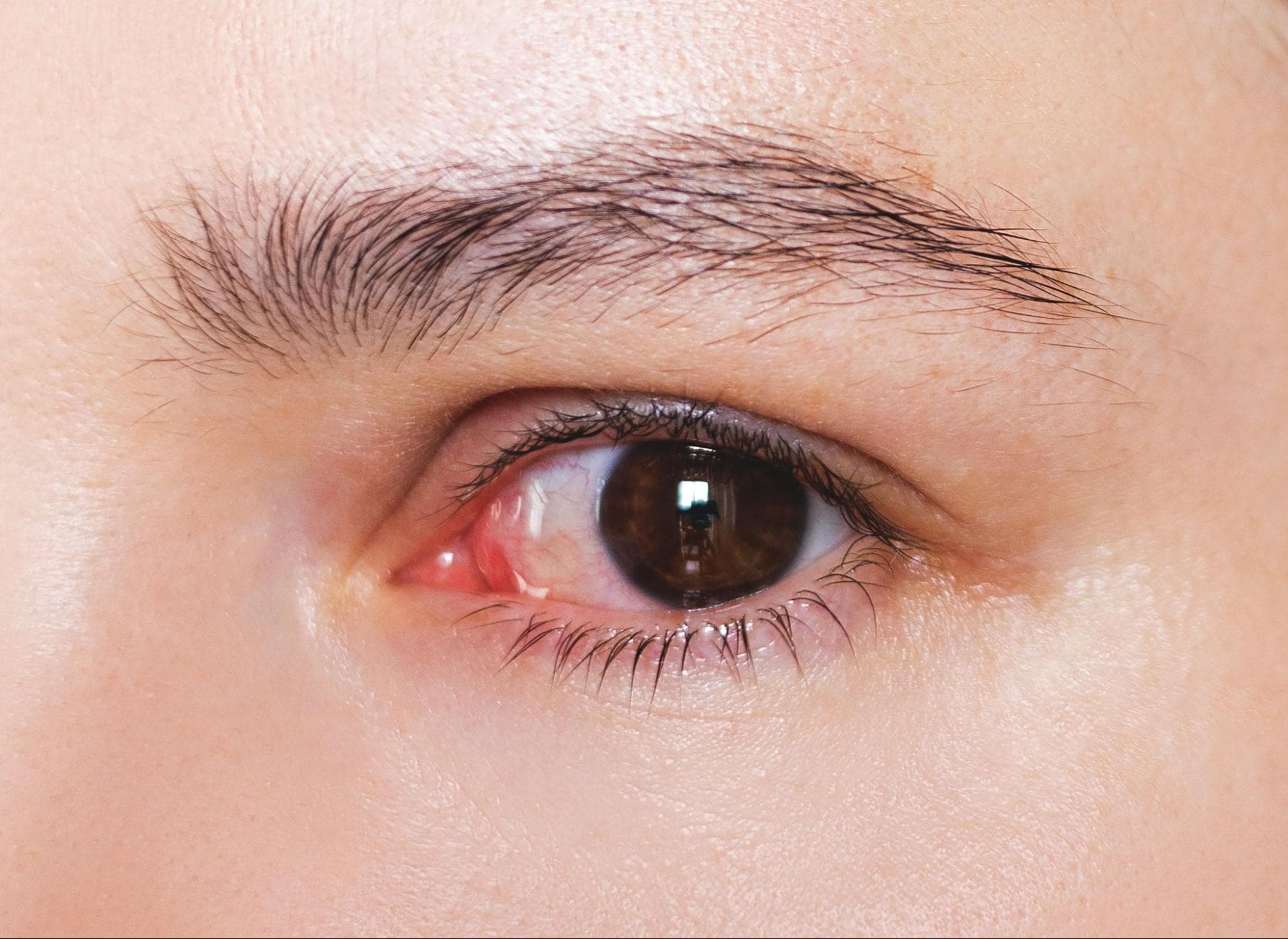
- Attend all follow-up appointments : and contact your doctor immediately if you notice sudden vision changes, increasing pain, or significant eye redness
LASIK has a high success rate for improving visual acuity. According to the referenced study on Femto LASIK, overall post-surgery success ranged from 96–98%.
Around 99% of patients achieved 20/40 vision or better, while approximately 90% achieved the reported normal-vision level.
However, results can vary depending on each patient’s eye condition, refractive error, corneal characteristics, and overall suitability for the procedure.
At the Samitivej Chinatown LASIK Center, Samitivej Chinatown Hospital offers several vision correction options using different technologies. The cost varies depending on the treatment method selected and each patient’s eye condition. The available prices and packages are as follows:
|
Treatment
|
Price
|
|
Eye Assessment
|
THB 1,000*
|
|
SMILE PRO
|
THB 89,000
|
|
FEMTO
|
THB 54,000
|
|
SBK
|
THB 36,000
|
|
PRK
|
THB 33,000
|
|
PRESBYOND
|
THB 99,000**
|
* The eye assessment fee of THB 1,000 is waived for patients who undergo the assessment and decide to proceed with LASIK on the same day.
** For PRESBYOND, an additional pre-procedure assessment fee of THB 3,000 applies beyond the standard eye assessment.
LASIK eye surgery is a well-established, effective solution for correcting common refractive vision errors including myopia, hyperopia, and astigmatism. With multiple procedure types available, from Femto LASIK and SMILE Pro to PRK, there is likely an option suited to your eyes, lifestyle, and prescription.
The key to a successful outcome is a thorough pre-operative assessment with a qualified ophthalmologist, a clear understanding of the procedure's benefits and limitations, and diligent post-operative care. For most patients, the reward is life-changing: waking up with clear, unaided vision each morning.
If you are considering LASIK, consult an experienced eye care specialist to determine which type is most appropriate for you.
Is LASIK Eye Surgery Safe?
Yes, LASIK is considered a safe and well-studied elective procedure with a long clinical history. It is approved by major regulatory agencies and performed by trained ophthalmologists using advanced laser technology. The overall complication rate is low, though no surgery is entirely without risk. The best way to ensure safety is thorough screening before surgery to confirm you are a suitable candidate.
What is Common Risk after Lasik?
The most common temporary side effects include dry eyes, glare, or halos around lights at night. These symptoms typically subside within a few weeks to months as the eyes heal.
What should I avoid after LASIK?
Avoid swimming, hot tubs, and heavy contact sports for at least two weeks. You should also keep eye makeup and soapy water away from your eyes during the initial healing phase to prevent infection.
Thanapong Somkitrungroj, M.D.
Phatthicha Phinyosawatkul, M.D.
Chayanee Pothiwongsajarn, M.D.
Chunhakan Petchphansri, M.D.
Associate Professor Wannarat Satitpitakul, M.D.