Guide to Phaco Surgery: Procedure, Benefits, and Recovery
Article by: seoteam seoteam Last updated: 14 May 2026
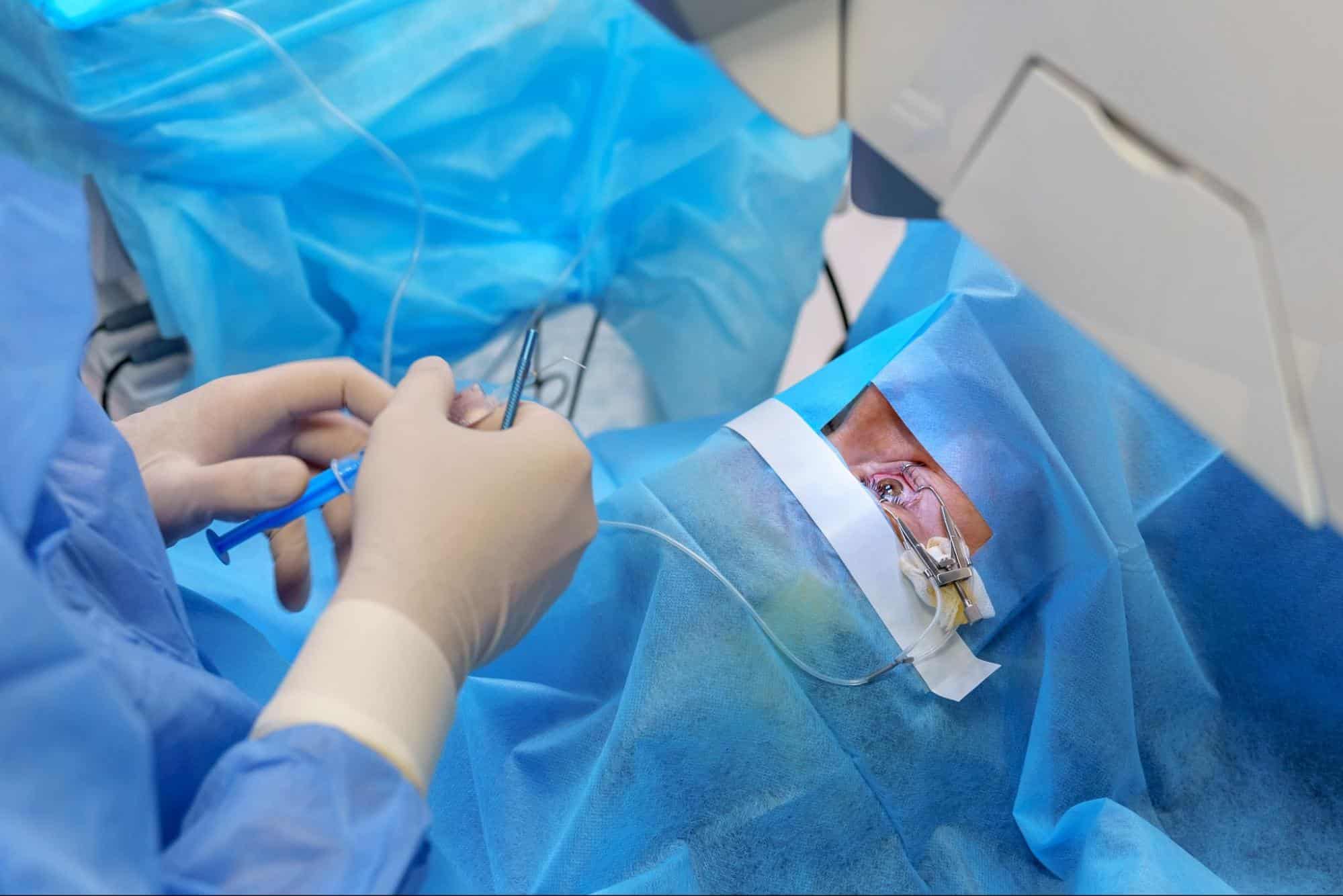
Restore your vision with Phacoemulsification (Phaco), the world’s leading surgical technique for cataract removal. This advanced, minimally invasive procedure offers a safe and rapid way to regain clarity, often correcting other vision issues in a single step. Whether you’re preparing for surgery or exploring options, this guide provides essential insights into the process, benefits, and recovery for a brighter future.
Key Takeaway
- Phaco uses ultrasound waves to safely liquefy cataracts through tiny, self-sealing incisions that typically require no stitches for healing.
- Most patients experience significantly clearer vision within 24–48 hours and can return to their normal daily routines within just a few days.
- By combining Phaco with modern IOL implants, surgeons can correct cataracts, astigmatism, and presbyopia all in one highly efficient surgical procedure.
Table of Contents
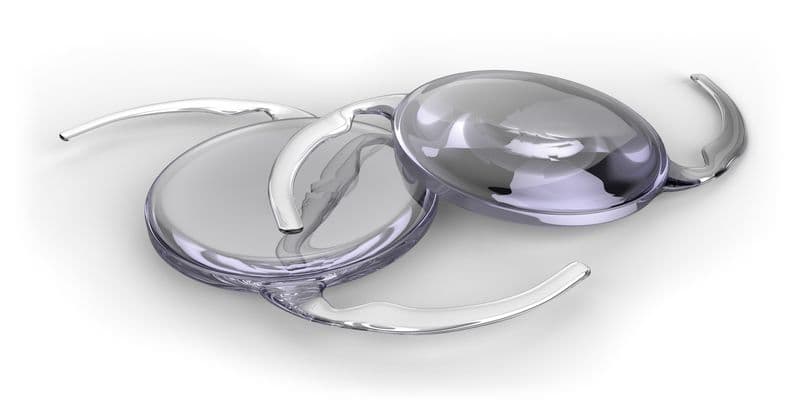
Phacoemulsification or Phaco is a modern cataract surgery that uses ultrasound waves to break up a cloudy lens. Once the hardened cataract is liquefied, it is gently suctioned out, making room for a permanent intraocular lens (IOL) implant.
This procedure is highly popular due to its efficiency and fast recovery time, often restoring clear vision within just 2-3 days. By opting for Phaco with IOLs, patients can correct cataracts and refractive errors like astigmatism in a single step, eliminating the need for further laser surgeries.
Phaco has become the standard for cataract removal, offering a patient-centered approach that prioritizes both safety and convenience. Its widespread use is driven by several key benefits:
- It is a minimally invasive technique that uses tiny, self-sealing incisions, which typically do not require any stitches.
- The small wound size leads to faster postoperative healing and a much quicker return to daily activities.
- Patients face a significantly lower risk of infection and inflammation compared to older, large-wound surgical methods.
- Many patients experience a rapid improvement in visual clarity, often reporting much clearer sight within just 24 to 48 hours.
- When combined with modern IOL technology, such as multifocal or toric lenses, the procedure can drastically reduce or even eliminate the need for glasses.
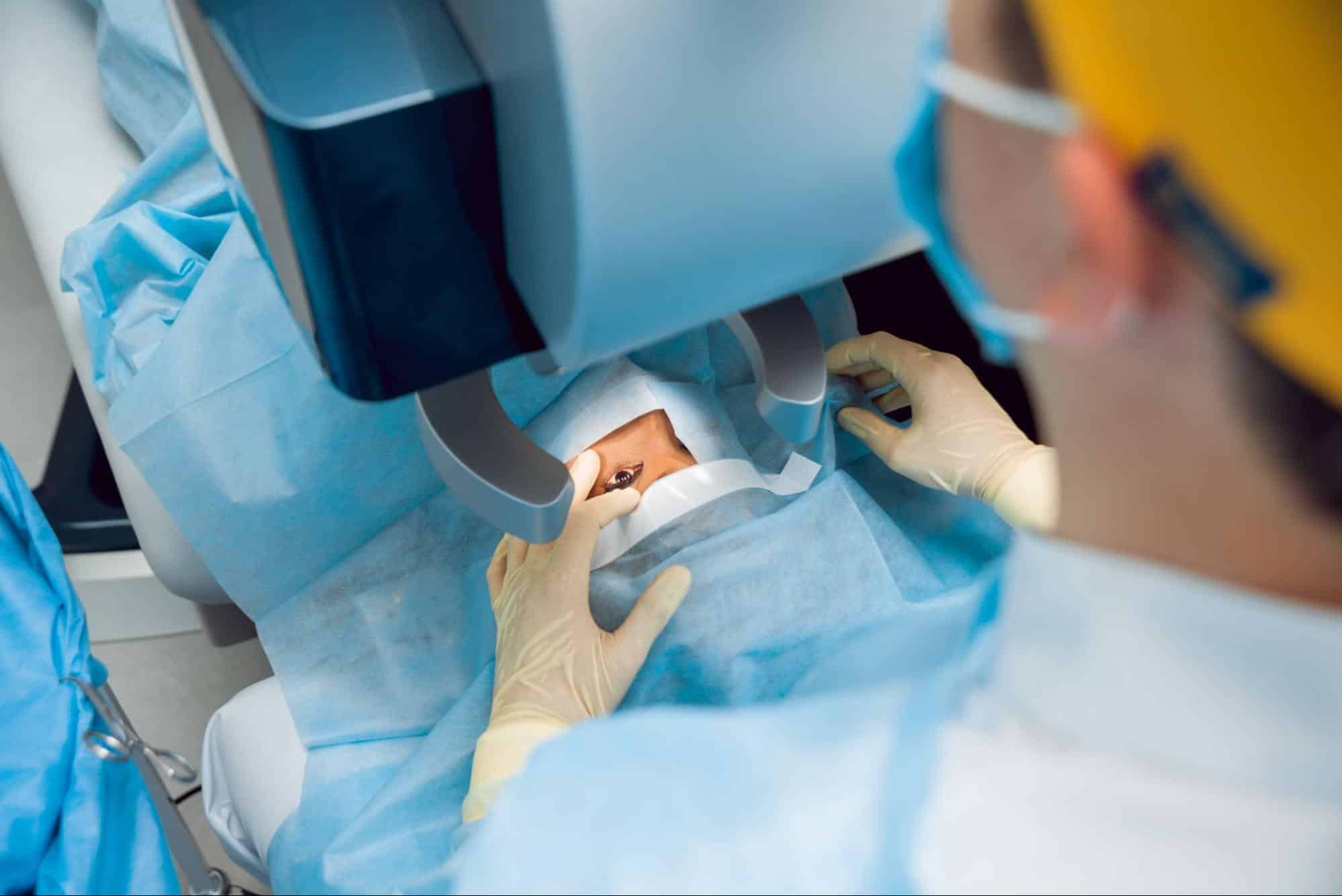
Phaco is generally recommended for individuals whose quality of life is affected by lens clouding. You may be a suitable candidate if you fall into these groups:
- Cataract Patients: Specifically those experiencing blurry or "misty" vision, seeing halos around lights, or finding that colors appear dull and yellowed.
- Specific Cataract Types: Individuals diagnosed with a Cortical Cataract or an Intumescent cataract, where surgical intervention is necessary to restore sight and prevent further complications.
- Functional Impairment: Those who find that vision loss interferes with daily essentials, such as reading small print, using a computer, or driving safely at night.
- Combined Vision Correction: People who have cataracts along with Myopia, Hyperopia, or Astigmatism and wish to correct these refractive errors simultaneously using a specific IOL.
- Non-LASIK Candidates: Patients with severe refractive errors or thin corneas who are ineligible for laser eye surgery but still require a permanent vision solution.
While Phacoemulsification is highly safe and successful, like any surgical procedure, it carries some potential risks. Complications are rare and usually minor, but they can include:
- Infections may occur and require treatment with antibiotics or, in rare cases, a hospital stay.
- Some patients may experience temporary redness or swelling of the eye following the procedure.
- The clear front part of the eye can sometimes swell during the healing process, affecting clarity.
- While extremely rare, there is a small risk of permanent changes to vision.
- This is a serious but rare complication where the light-sensitive layer at the back of the eye pulls away.
You can significantly reduce these risks by strictly following your surgeon’s instructions both before and after your surgery.
Getting ready for your Phaco surgery ensures everything goes smoothly and your recovery is stress-free. Here is how to prepare:
- Review Medications: Provide a full list of your current meds. Some blood thinners may need to be adjusted before the procedure.
- Follow Fasting Rules: Stop eating solid foods 6–12 hours before surgery, though clear liquids are usually okay until 2 hours prior.
- Use Pre-op Eye Drops: Start your prescribed antibiotic and anti-inflammatory eye drops 1–2 days before the surgery as directed.
- Dress Simply: Wear loose, comfortable clothing and avoid any makeup, lotions, jewelry, or nail polish on surgery day.
- Arrange Transport: You cannot drive afterward, so have a friend or family member ready to take you home.
Proper aftercare is the secret to a fast and successful recovery. To protect your new lens and ensure your eye heals correctly, follow these simple guidelines:
- Apply all prescribed antibiotic and anti-inflammatory drops exactly as scheduled.
- Wear your protective eye shield while sleeping and sunglasses during the day to block light and dust.
- Keep water, soap, and shampoo out of your eye for at least one week; use a damp cloth to clean your face instead.
- Do not touch, press, or rub your eye, even if it feels itchy or irritated.
- Avoid heavy lifting, bending over, or strenuous exercise for the first few weeks to prevent eye pressure.
- Contact your doctor immediately if you experience severe pain, sudden vision loss, or increased redness.
Phacoemulsification or Phaco represents a major leap in eye care, providing a quick and painless solution for those suffering from cataracts or refractive errors. By replacing a cloudy lens with a high-quality IOL, patients achieve long-term visual independence. With minimal downtime and a high success rate, this procedure remains the gold standard for anyone looking to restore sharp, vibrant vision safely.
Samitivej Chinatown, your comfort is our priority. We understand that staying still during surgery requires trust, which is why our expert ophthalmologists provide a calming, world-class environment to ease your anxiety. Using state-of-the-art equipment and international standards, we transform a daunting procedure into a smooth, life-changing experience you can face with total confidence.
How long is the recovery for Phaco?
Initial recovery is fast, with vision clearing in 2–3 days. Most patients return to normal activities within a week.
Is Phaco surgery painful?
The procedure is painless. Surgeons use local anesthetic drops or a small injection to ensure you remain comfortable throughout.
What are the disadvantages of Phaco?
It is more expensive than traditional methods and requires specialized equipment. Rare risks include temporary corneal swelling or minor inflammation.