Glaucoma: Understanding the Silent Threat to Your Vision
Article by: seoteam seoteam
Published: 29 October 2026
Last updated: 29 October 2026
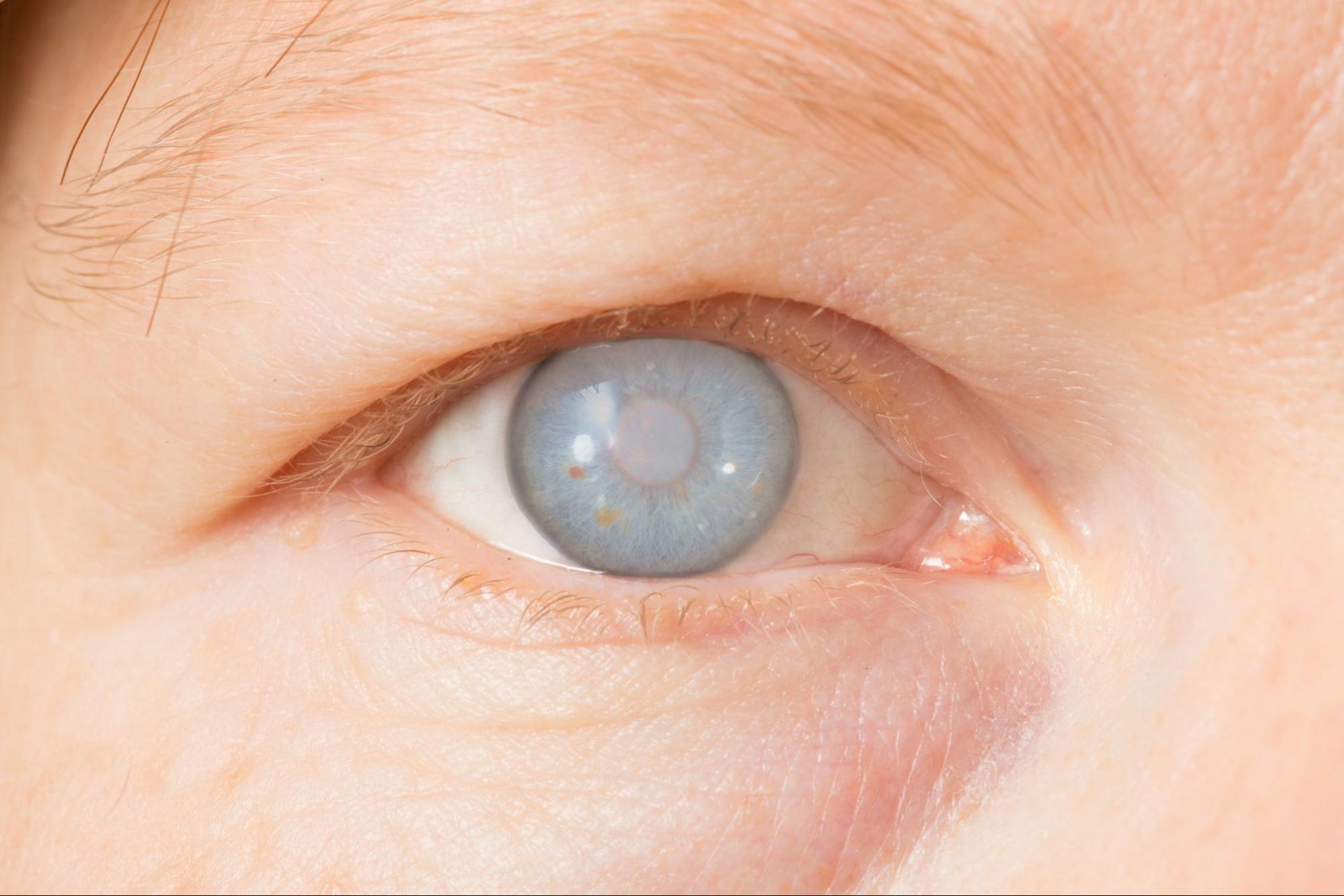
Glaucoma is one of the leading causes of irreversible vision loss worldwide, yet many people may not realize they have it until the disease has progressed. This eye condition gradually damages the optic nerve, often without causing noticeable symptoms in its early stages.
Although increased eye pressure is a major risk factor, glaucoma can also develop in people with normal eye pressure. Without early detection and proper treatment, it may lead to permanent vision impairment or blindness. Understanding glaucoma symptoms, causes, risk factors, and available treatments can help you recognize potential warning signs and take steps to protect your vision.
Highlight
- Glaucoma damages the optic nerve and can cause permanent vision loss if left untreated.
- Early-stage glaucoma often has no symptoms, making regular comprehensive eye examinations essential.
- High intraocular pressure (IOP) is a major risk factor, but glaucoma can also develop with normal eye pressure.
- Glaucoma treatment includes prescription eye drops, laser procedures, and surgery to slow disease progression and preserve remaining vision.
Table of Contents
Glaucoma is a group of eye diseases that damage the optic nerve, which carries visual information from the eye to the brain. It is more common in older adults and often develops without noticeable early symptoms.
Without regular eye examinations, glaucoma may remain undetected until vision loss occurs. Early diagnosis and proper treatment can help slow disease progression and prevent further damage, reducing the risk of permanent vision loss.
- “Learn about Cataract symptoms, causes, and treatment options in our comprehensive guide: Cataract”
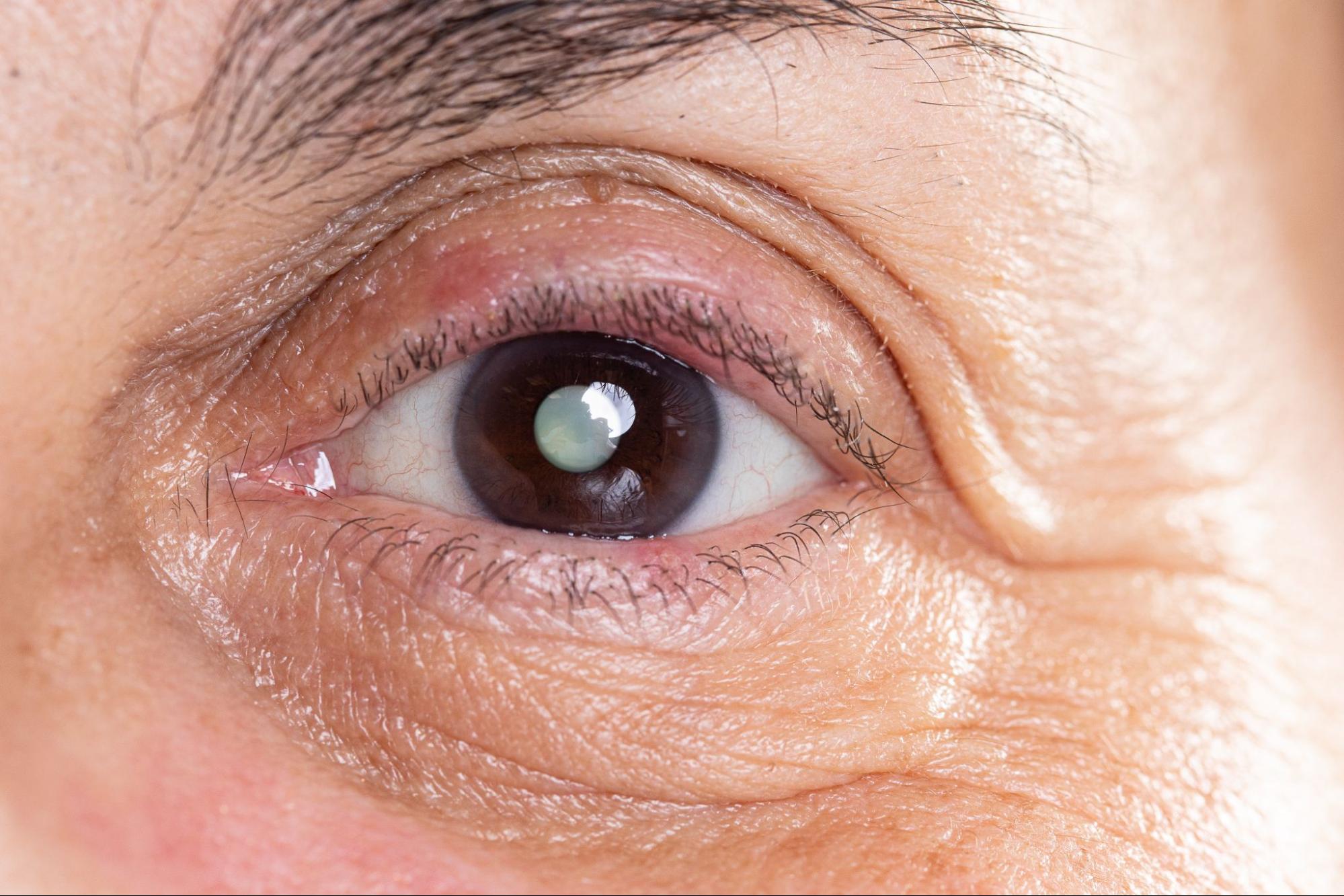
Glaucoma can be classified into four main types based on its underlying cause, drainage angle, and development. Each type affects eye pressure and vision differently.
Primary Open-angle Glaucoma.
Primary open-angle glaucoma is the most common type of glaucoma worldwide. It occurs when fluid drainage through the trabecular meshwork becomes less efficient, even though the drainage angle remains open. In many people, eye pressure rises gradually and damages the optic nerve. In normal-tension glaucoma, a form of open-angle glaucoma, the optic nerve is damaged even though eye pressure stays within the normal range. Symptoms often develop slowly, with peripheral vision loss becoming noticeable in later stages.
Primary Angle-closure Glaucoma
Primary Angle-Closure Glaucoma occurs when the iris blocks the eye's drainage angle, preventing fluid from draining properly. It can develop gradually or suddenly. Acute Angle-Closure Glaucoma causes a rapid rise in eye pressure, leading to severe eye pain, blurred vision, headaches, and nausea. This condition requires immediate medical attention.
Secondary Glaucoma
Secondary Glaucoma develops due to another eye condition, injury, or medication that affects fluid drainage or damages the optic nerve. Common causes include eye inflammation, trauma, prolonged corticosteroid use, and certain eye diseases. Treatment focuses on controlling eye pressure while addressing the underlying cause to prevent further vision loss.
Congenital Glaucoma
Congenital Glaucoma is a rare condition present at birth or developing during early childhood. It occurs when the eye's drainage system does not develop properly, causing increased intraocular pressure and optic nerve damage. Symptoms may include excessive tearing, light sensitivity, cloudy corneas, and enlarged eyes. Early treatment is essential to protect vision.
- “Discover how Cataract Surgery works, its benefits, and what to expect during recovery: Cataract Surgery”

Glaucoma symptoms vary depending on the type and stage of the disease. While some forms develop gradually without noticeable changes, others can cause sudden, severe symptoms requiring immediate medical attention.
Early-Stage Symptoms (Often None)
In its early stages, glaucoma often causes no noticeable symptoms, particularly in people with primary open-angle glaucoma. The eye is usually painless and looks normal. As the disease progresses, some people notice subtle changes in vision, such as
- Gradual peripheral vision loss: Side vision slowly decreases, often without the person noticing.
- Small blind spots: Patchy areas of vision loss may develop, usually in the side vision at first.
- Trouble in dim light: Some people find it harder to adjust to dark environments, although this is not specific to glaucoma.
Regular eye examinations are essential because glaucoma can damage the optic nerve before symptoms become noticeable.
Advanced or Acute Symptoms
As glaucoma progresses, vision loss may become more apparent. Acute Angle-Closure Glaucoma can also cause sudden symptoms due to a rapid increase in intraocular pressure (IOP).
- Tunnel vision: Significant peripheral vision loss creates a narrowing field of vision in advanced glaucoma.
- Blurred or rapidly worsening vision: Vision may become unclear, particularly during an acute glaucoma attack.
- Halos around lights: Rainbow-colored rings may appear around light sources when eye pressure rises sharply.
- Severe eye pain and redness: Sudden eye pain, redness, and headaches may indicate Acute Angle-Closure Glaucoma.
- Nausea and vomiting: These symptoms may occur alongside severe eye pain during an acute attack.
Sudden eye pain, blurred vision, halos around lights, or nausea may indicate Acute Angle-Closure Glaucoma, a medical emergency requiring immediate treatment to prevent permanent vision loss.
- Explore how Phaco uses ultrasound technology to remove cataracts through a small incision: Phaco
Glaucoma develops when the optic nerve becomes damaged, often due to increased intraocular pressure (IOP). Several factors, including age, genetics, and underlying health conditions, can increase the risk.
What Causes Glaucoma?
Glaucoma is commonly associated with increased pressure inside the eye, which can gradually damage the optic nerve and lead to permanent vision loss. Common causes and contributing factors include:
- Poor fluid drainage: When aqueous humor cannot drain properly through the trabecular meshwork, pressure inside the eye may increase.
- Elevated intraocular pressure (IOP): Higher eye pressure increases the risk of optic nerve damage, although glaucoma can also develop with normal eye pressure.
- Age-related changes: Changes in the eye's drainage system with age may contribute to increased pressure and glaucoma development.
- Other eye conditions: Eye injuries, inflammation, or prolonged corticosteroid use can cause secondary glaucoma.
Who Is at Risk and When to Get Tested?
Certain individuals have a higher risk of developing glaucoma and should consider regular eye examinations, especially those who:
- Are 40 or older (risk rises with age, especially after 60).
- Have a family history of glaucoma.
- Have elevated intraocular pressure (IOP).
- Are of African, Hispanic, or Asian descent (people of Asian descent have a higher risk of angle-closure glaucoma).
- Have high nearsightedness (linked to open-angle glaucoma) or high farsightedness (linked to angle-closure glaucoma).
- Have a thin central cornea.
- Have diabetes, or have been told they have high blood pressure.
- Use corticosteroids for extended periods.
- Have experienced previous eye injuries.
People with these glaucoma risk factors should consult an ophthalmologist about appropriate glaucoma screening. Regular comprehensive eye examinations can help detect optic nerve damage before noticeable vision loss occurs.
- Find out how LASIK corrects vision problems and whether this procedure is right for you: LASIK
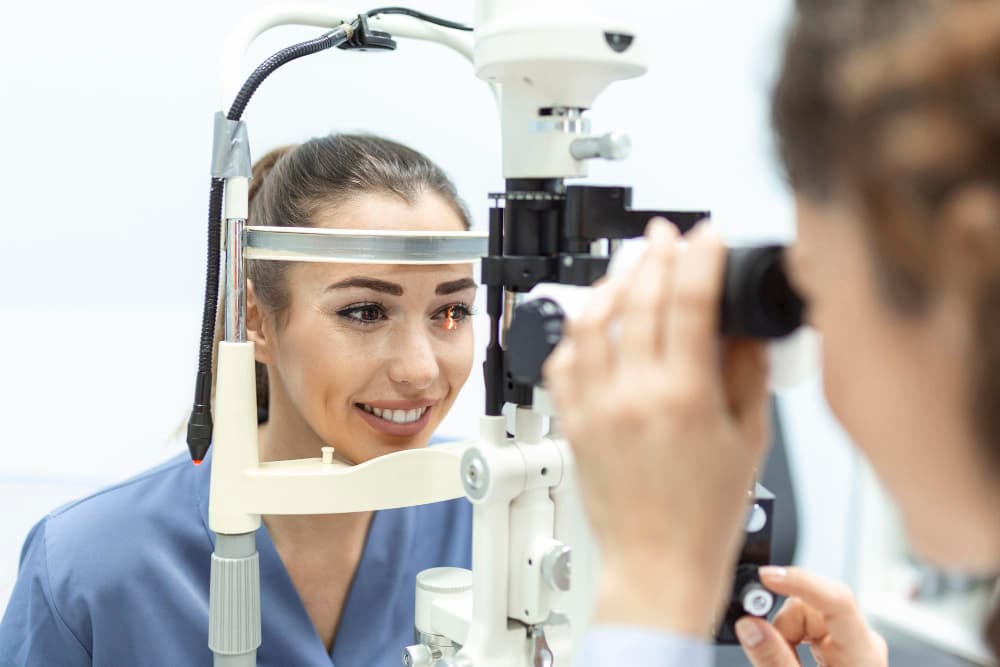
Glaucoma is diagnosed through a comprehensive eye examination. An ophthalmologist uses several tests to assess eye pressure, optic nerve health, and changes in vision.
Common Glaucoma Tests
- Visual Field Test: Checks for blind spots and peripheral vision loss caused by optic nerve damage.
- Tonometry: Measures intraocular pressure (IOP), a major risk factor for glaucoma.
- Optic Disc Examination: Examines the optic nerve for signs of damage or structural changes.
- Optical Coherence Tomography (OCT): Measures retinal nerve fiber thickness to detect early optic nerve damage.
- Gonioscopy: Examines the eye's drainage angle to help determine the type of glaucoma.
- Pachymetry: Measures corneal thickness, which helps doctors interpret eye pressure readings.
A glaucoma diagnosis is based on the combined results of these tests, rather than eye pressure alone.
- Understand Cortical Cataract symptoms, risk factors, and how this condition affects your vision: Cortical Cataract
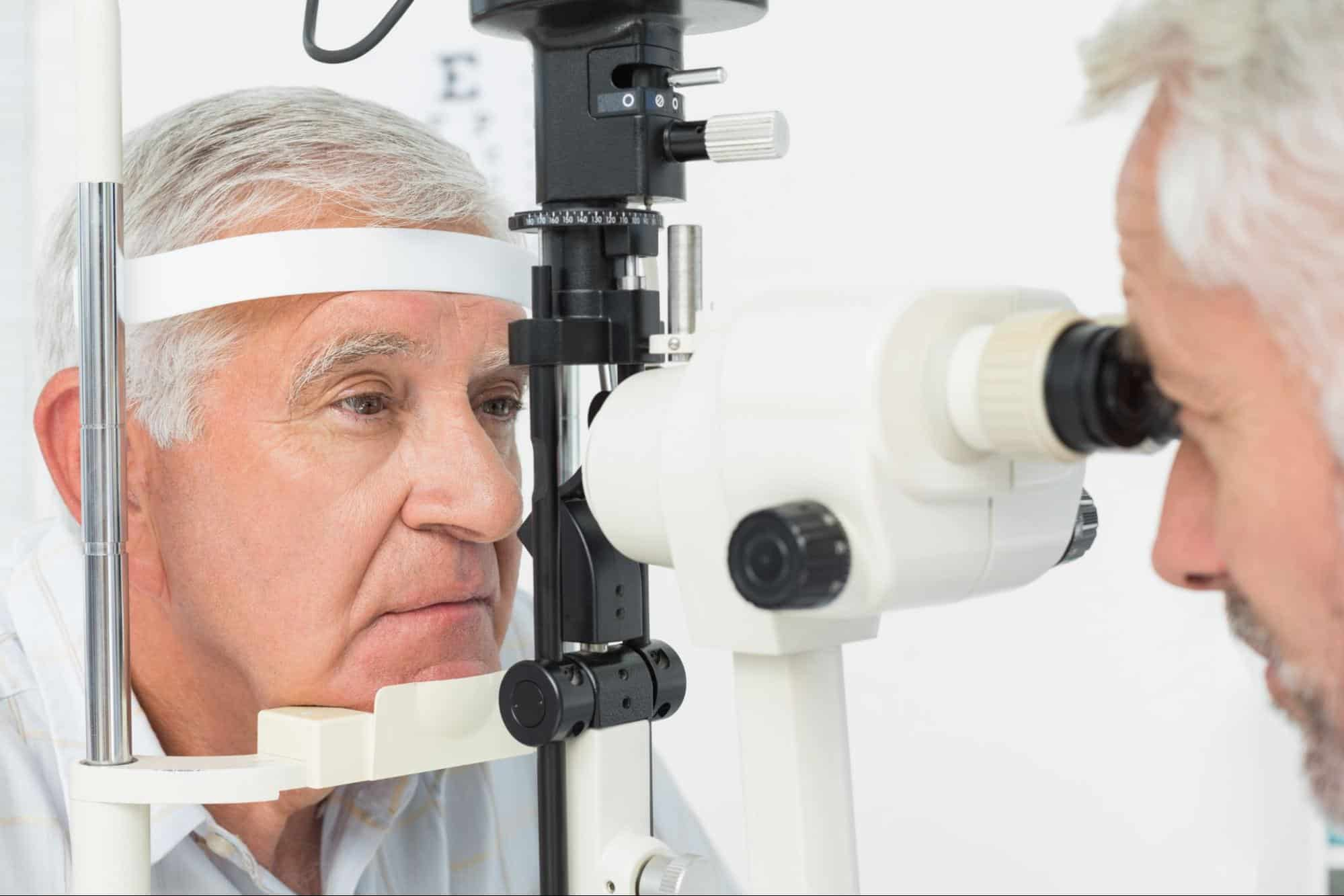
Glaucoma treatment focuses on lowering intraocular pressure (IOP) to prevent further optic nerve damage. Treatment options depend on the type and severity of the condition.
Eye Drops and Medication
Prescription eye drops are commonly used to lower intraocular pressure by reducing fluid production or improving drainage. In some cases, oral medications may be prescribed when glaucoma eye drops are insufficient. Patients must follow their prescribed treatment consistently to help prevent further optic nerve damage.
Laser Treatment
Glaucoma laser surgery treatment helps improve fluid drainage and reduce intraocular pressure. Selective Laser Trabeculoplasty (SLT) is used for open-angle glaucoma, either as an alternative to eye drops at the start of treatment or alongside them.
Laser Peripheral Iridotomy (LPI) creates a small opening in the iris and is used for certain types of angle-closure glaucoma. The effect of SLT can fade over time, so it may be repeated. The right choice depends on the glaucoma type, its severity, and your doctor's assessment.
Glaucoma Surgeries
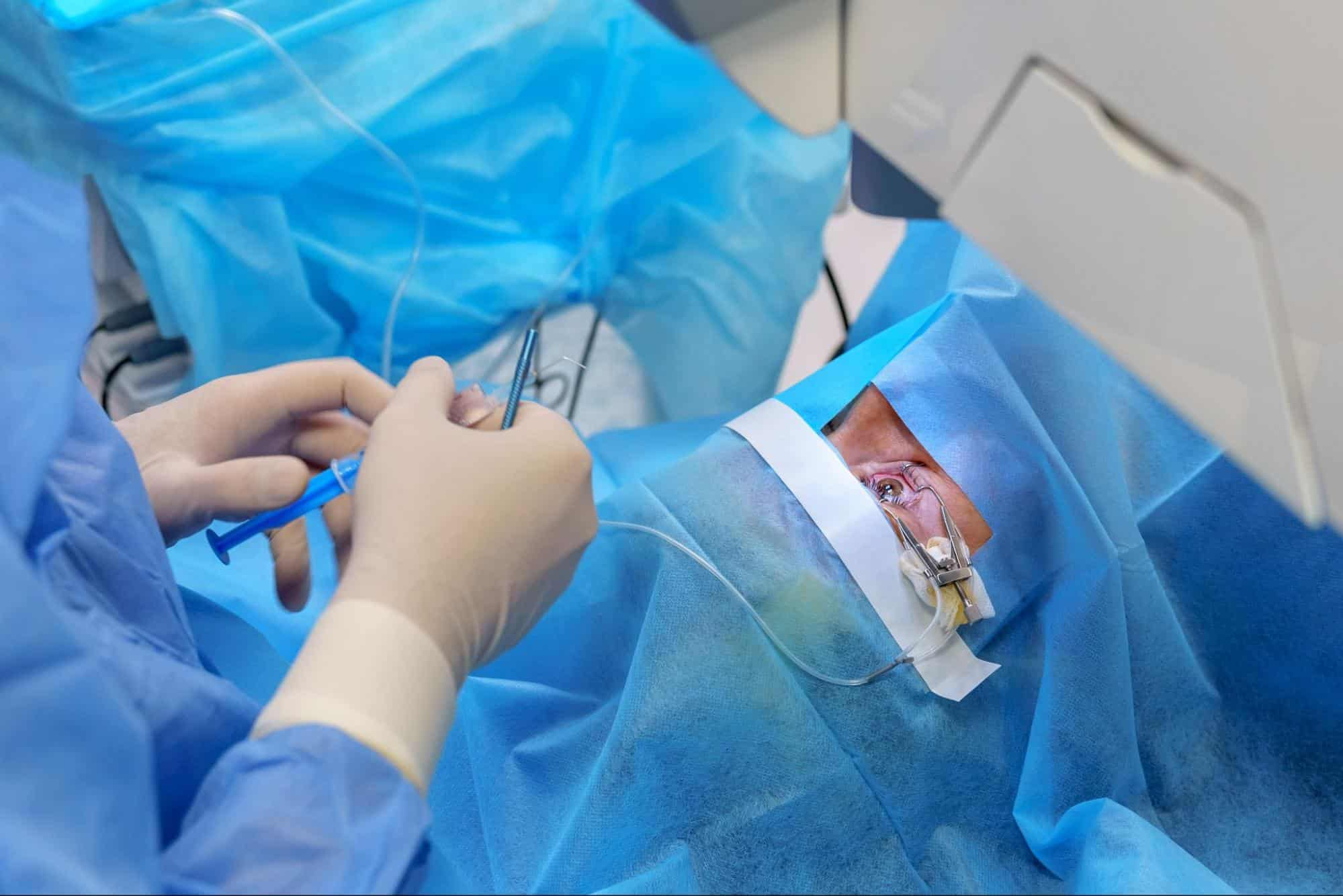
Glaucoma surgery may be recommended when medications or laser treatments do not adequately control eye pressure. Procedures such as Trabeculectomy, Glaucoma Drainage Implants, or Minimally Invasive Glaucoma Surgery (MIGS) help improve fluid drainage and reduce pressure to protect the remaining vision. In some people with angle-closure glaucoma, removing the natural lens with cataract surgery can also help open the drainage angle.
- Learn about Intumescent Cataract, its potential complications, and available treatment options: Intumescent Cataract
Untreated glaucoma can cause progressive optic nerve damage, leading to permanent vision loss. As the disease advances, patients may experience blind spots, reduced peripheral vision, and eventually tunnel vision. In severe cases, glaucoma can result in irreversible blindness, affecting daily activities such as reading, driving, and navigating unfamiliar environments.
Glaucoma usually cannot be prevented, but early detection and proper treatment can help slow its progress and protect your remaining vision.
- Schedule regular comprehensive eye examinations, especially if you have glaucoma risk factors.
- Monitor and manage high eye pressure under an ophthalmologist’s guidance.
- Manage health conditions such as diabetes with your doctor, and do not change blood pressure medicine on your own.
- Exercise moderately and maintain a balanced diet to support eye health.
- Wear protective eyewear during sports or activities that could cause eye injuries.
- Follow prescribed glaucoma treatments consistently.
Glaucoma is a serious eye condition that can cause permanent vision loss if left untreated. Because early symptoms are often difficult to notice, regular eye examinations are essential for early detection. Although glaucoma cannot be cured, treatments such as eye drops, laser therapy, and surgery can help control eye pressure, slow disease progression, and protect your remaining vision.
At Samitivej Chinatown, patients can consult ophthalmologists for comprehensive eye examinations and glaucoma risk assessments. Early detection and appropriate treatment are important for preserving long-term eye health. Those experiencing vision changes or having a family history of glaucoma are encouraged to seek professional medical advice for timely diagnosis and personalized care.
How do you know if you have glaucoma?
Glaucoma often has no early symptoms. A comprehensive eye examination, including eye pressure measurement, optic nerve assessment, and visual field testing, is needed for diagnosis.
How long does it take for glaucoma to cause blindness?
Glaucoma progression varies. Open-Angle Glaucoma may cause vision loss gradually over many years, while acute angle-closure glaucoma can lead to permanent vision loss within hours to days without emergency treatment.
How many types of glaucoma are there?
There are four broad categories: Primary Open-Angle Glaucoma, Primary Angle-Closure Glaucoma, Secondary Glaucoma, and Congenital Glaucoma. Each has different causes and treatment approaches.
Do stress or screen time cause glaucoma?
Stress and prolonged screen time are not established direct causes of glaucoma. However, taking regular screen breaks can help reduce eye strain and discomfort.
Is glaucoma curable?
No, glaucoma cannot be cured, and lost vision cannot be restored. However, early diagnosis and treatment can help control eye pressure and prevent or slow further vision loss.