SMILE Pro The Next Generation of Laser Vision Correction
Article by: seoteam seoteam Last updated: 14 October 2026

With digital screens dominating our daily routines, maintaining perfect eyesight is crucial. For many, the constant reliance on glasses or contact lenses to manage myopia (nearsightedness) and astigmatism can be a significant hurdle to an active and carefree lifestyle. SMILE Pro, the latest evolution in eye surgery offers a faster, safer, and more precise way to restore your sight.
Key Takeaway
- SMILE Pro is the latest, fastest (8-10 seconds per eye), and least invasive laser eye surgery for correcting myopia and astigmatism.
- The procedure is bladeless, flapless, and uses the AI-enhanced VisuMax 800 laser, creating a tiny 2-4 mm incision.
- Key benefits include faster recovery, significantly lower risk of chronic dry eye, and preserved corneal strength compared to LASIK.
- Ideal for individuals aged 18-50 with stable nearsightedness and an active lifestyle, offered by expert teams like Samitivej Chinatown.
Table of Contents

SMILE Pro (Small Incision Lenticule Extraction Pro) represents the pinnacle of refractive eye surgery technology developed by ZEISS, Germany. It is a flapless, bladeless, and minimally invasive procedure designed to correct myopia and astigmatism with unprecedented speed.
Utilizing the state-of-the-art VisuMax 800 femtosecond laser, the procedure involves creating a tiny, lens-shaped piece of tissue called a "lenticule" within the cornea. This lenticule is then removed through a microscopic incision of only 2-4 millimeters, effectively reshaping the cornea to allow light to focus perfectly on the retina.
Choosing SMILE Pro over other forms of vision correction comes with several distinct advantages that cater to the needs of modern patients:
- SMILE Pro's unmatched speed is its most striking feature: the 8-10 second laser treatment per eye is roughly three times faster than the previous generation, ReLEx SMILE (25-30 seconds).
- The VisuMax 800 system for SMILE Pro uses AI and high-performance digital sensors for enhanced precision and safety. It assists in precise laser centering and alerts the surgeon to eye movement, minimizing human error for more consistent outcomes.
- The procedure is minimally invasive, requiring a tiny 2-4 mm incision, which is 80% smaller than traditional femto LASIK incisions. This smaller size results in faster healing and less discomfort both during and after the surgery.
- SMILE Pro poses a lower dry eye risk than LASIK. LASIK's corneal flap cuts nerves, often causing temporary or chronic dry eyes. SMILE Pro preserves these nerves, significantly lowering post-operative dryness risk.
- SMILE Pro avoids a flap, preserving corneal biomechanics and maintaining eye strength and stability. This reduces the risk of flap-related complications from physical impact, benefiting active individuals like athletes.
Understanding the landscape of refractive surgery is essential for making an informed decision about your vision. Here is how SMILE Pro compares to its predecessors:
- Femto LASIK is an all-laser version of traditional lasik that uses a femtosecond laser to create a corneal flap and an excimer laser to reshape the underlying tissue. While highly effective for a wide range of prescriptions, including hyperopia (farsightedness) in some cases, it involves a much larger incision and carries a higher risk of flap-related issues and dry eyes.
- ReLEx SMILE was the first generation of flapless lenticule extraction. While it introduced the benefit of a small incision (2-4 mm) and reduced dry eye risk, the laser treatment time was longer (25-30 seconds) compared to the newer Pro version.
- SMILE Pro is the advanced evolution of this technology. It utilizes the VisuMax 800 to reduce laser time to a mere 8-10 seconds, incorporates AI for better centering, and provides the most comfortable patient experience to date. For those with thin corneas where a flap might be risky, or for those who don't qualify for SMILE, surgeons might still recommend PRK (Photorefractive Keratectomy), which involves removing the outer layer of the cornea entirely but has a longer recovery time.
Undergoing SMILE Pro at Samitivej Chinatown is a streamlined and professional experience.
Pre-SMILE Pro Preparation
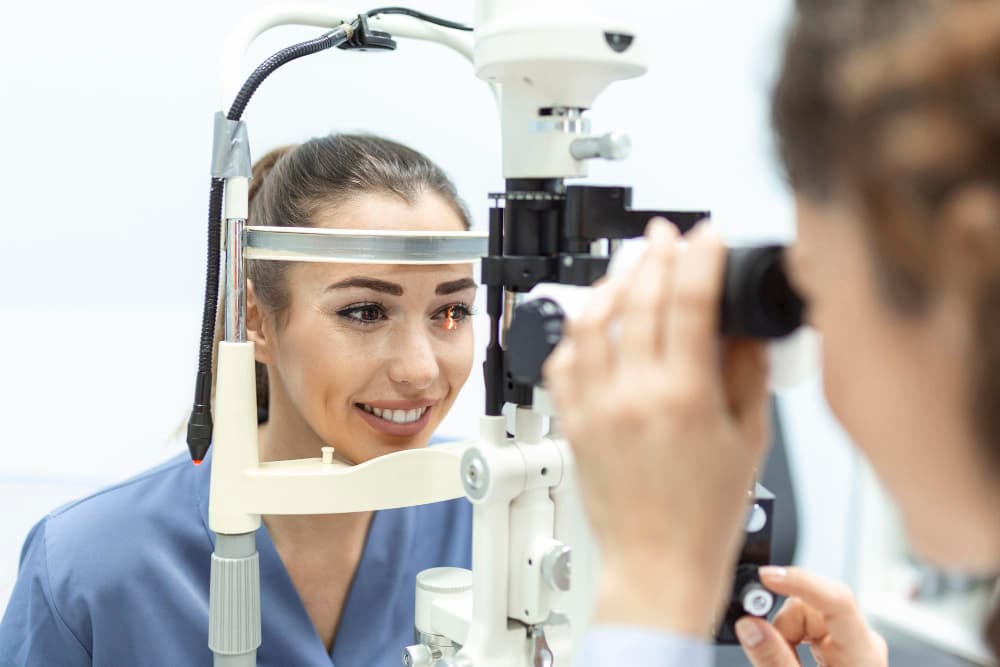
Before the surgery, a comprehensive eye evaluation is required, which typically takes about 3 hours. This includes measuring corneal thickness, curvature, and intraocular pressure.
- Contact Lens Break: You must stop wearing soft contact lenses for at least 7 days and hard or semi-hard lenses for at least 21 days before the exam and surgery to allow the cornea to return to its natural shape.
- Medication Review: Inform your doctor about any medications, especially acne treatments like Roaccutane, which can cause severe dry eyes and may need to be stopped a month in advance.
- Hygiene: On the day of surgery, do not wear makeup, perfume, or any skincare products containing alcohol to prevent infection.
During the Procedure
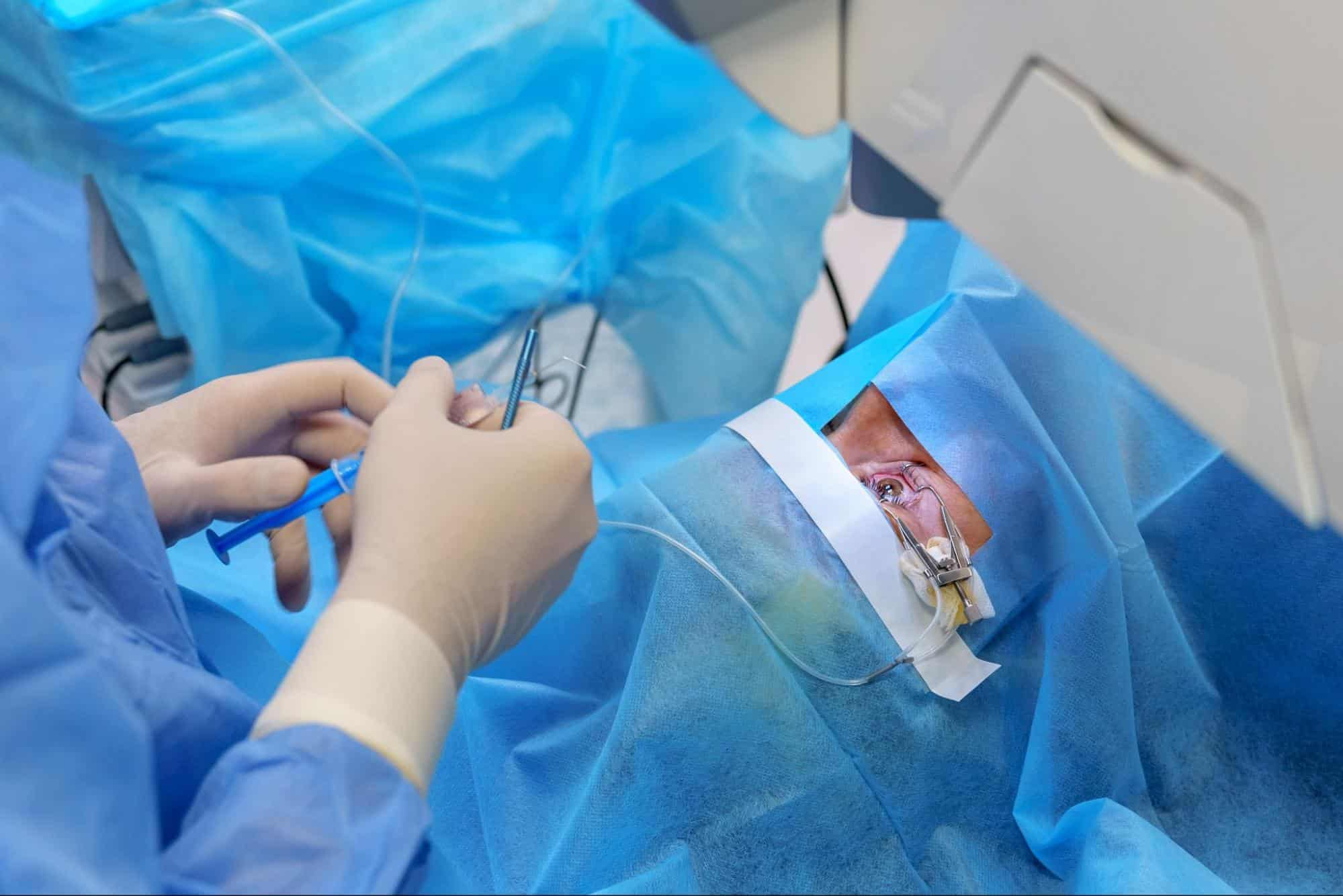
The actual surgery takes approximately 30 minutes for both eyes, though the laser itself is only active for a few seconds.
- Anesthesia: Local anesthetic eye drops are applied so you won't feel pain.
- Lenticule Creation: The femtosecond laser creates the lenticule in just 8-10 seconds.
- Lenticule Removal: The surgeon gently extracts the tissue through the small 2-4 mm incision.
- Completion: The incision heals naturally without stitches.
Proper SMILE Pro aftercare is vital for a smooth recovery and to help support the best possible vision outcome. Patients should carefully follow their ophthalmologist’s instructions during the recovery period.
- Do Not Rub Your Eyes: Avoid rubbing, pressing, or squeezing your eyes for at least the first week to reduce irritation and protect the treated area.
- Protect Your Eyes from Water: Avoid getting water, soap, shampoo, or sweat into your eyes for approximately one week to help reduce the risk of infection.
- Wear Eye Shields While Sleeping: Use the provided protective eye shields when sleeping, both during the day and at night, for at least one week to prevent accidental rubbing and exposure to dust.
- Use Medicated Eye Drops as Prescribed: Apply antibiotic, anti-inflammatory, or other prescribed eye drops exactly as directed by your ophthalmologist.
- Wear Sunglasses Outdoors: Protect your eyes from bright sunlight, wind, and dust by wearing sunglasses during the daytime, especially while your eyes remain sensitive.
- Avoid Eye Makeup: Avoid eye makeup for at least one week, or up to two weeks if your ophthalmologist advises, to minimize irritation and reduce the risk of contamination around the eyes.
- Limit Exercise and Sweating: Avoid strenuous exercise and activities that may cause sweat to enter the eyes for at least one week.
- Avoid Swimming and High-Risk Activities: Avoid swimming pools, hot tubs, and open water for at least 2 to 4 weeks, or until your ophthalmologist confirms that healing is complete. Contact sports and activities with a risk of eye injury should also wait for about 4 weeks, or as your doctor advises.
- Reduce Prolonged Screen Time and Reading: Most patients return to light screen use within 1 to 2 days. During the first week, use screens in short sessions with frequent breaks and use lubricating eye drops as prescribed, because reduced blinking can make the eyes feel dry and blur vision.
- Attend Follow-Up Appointments: Keep all scheduled appointments with your ophthalmologist so your recovery, vision, and treatment outcome can be properly monitored.

SMILE Pro is an excellent option for a wide range of individuals looking to correct myopia and astigmatism. Ideal candidates generally include:
- Those with myopia up to -10.00 D and astigmatism up to -5.00 D.
- Individuals aged 18 to 50 with a stable prescription (changing less than 0.50 D per year).
- People with an active lifestyle, including athletes or those in professions where glasses are a hindrance.
- Patients who are concerned about dry eye symptoms following surgery.
- Individuals with healthy corneas and no history of severe eye disease.
While SMILE Pro is highly advanced, it is not suitable for everyone. You may be advised to seek alternative treatments like lasik, PRK, or lens implants if you:
- Have hyperopia (congenital farsightedness) or only suffer from age-related presbyopia.
- Have severe eye conditions such as advanced glaucoma, cataracts, or keratoconus.
- Are currently pregnant or breastfeeding, as hormonal changes can affect your prescription.
- Have an unstable vision prescription or underlying chronic diseases like poorly controlled diabetes or autoimmune disorders.
- Suffer from severe dry eyes or active eye infections.
ReLEx SMILE and SMILE Pro have shown high success rates in improving visual acuity. In the US FDA clinical trial of SMILE for myopia (from -1.00 to -10.00 D), 99.7% of eyes reached 20/40 vision or better and 88% reached 20/20 or better at six months. A later FDA study of SMILE for myopia with astigmatism reported 98.6% and 84.2%. Early studies of SMILE Pro show similar results: in one series of 258 eyes, 94% reached 20/20 one month after surgery, although the rate was lower (81%) in high myopia
These results indicate that both procedures can provide effective vision correction for suitable patients. However, outcomes can vary depending on factors such as the degree of refractive error, corneal condition, overall eye health, and individual healing response. A comprehensive eye examination is therefore essential to determine suitability and expected results.
Many patients notice clearer vision within 24 to 48 hours, although mild blurriness or haziness may remain during the first days. Vision usually keeps sharpening over the following weeks, and for some patients, particularly those with higher prescriptions, it can take 1 to 3 months to fully stabilize.
Recovery time can vary depending on factors such as the patient’s initial refractive error, corneal condition, healing response, and how closely post-operative instructions are followed. Using prescribed eye drops, keeping water out of the eyes, and attending follow-up appointments can help support a smooth recovery.
SMILE Pro, ReLEx SMILE, Femto LASIK, and PRK are widely performed and generally considered safe for correcting refractive errors when performed on suitable patients. SMILE received US FDA approval in 2016, and SMILE Pro with the VISUMAX 800 followed in 2024. Because SMILE Pro and ReLEx SMILE do not create a corneal flap, they avoid flap-related complications. Like every procedure, however, they carry some risks, such as dry eye, glare or halos, infection, and occasionally the need for an enhancement if vision regresses.
However, safety also depends on factors such as the patient’s corneal thickness, eye health, refractive error, medical history, and whether the procedure is appropriate for their condition. A comprehensive eye examination is therefore essential before surgery.
At Samitivej Chinatown, we are committed to providing the highest standard of eye surgery to help you achieve the life you’ve always imagined, free from the constraints of glasses. With our team of experts who have handled over 12,000 to 20,000 successful cases, you can trust that your vision is in the best hands.
Our SMILE Pro technology ensures that your journey to clear sight is faster, safer, and more comfortable than ever before. Don't let blurry vision hold you back. Experience the miracle of SMILE Pro today.
Where is the best place to get SMILE Pro?
The best place to receive SMILE Pro is a certified medical facility that combines advanced technology with highly experienced specialists. Samitivej Chinatown offers the latest MEL90 and VisuMax 800 laser technology and an expert ophthalmology team with a proven track record of thousands of successful procedures.
Can SMILE Pro treat age-related farsightedness?
Currently, SMILE Pro is specifically designed to correct myopia and astigmatism. It is not used to treat age-related presbyopia or congenital hyperopia. However, patients with these conditions can consult our specialists for alternative treatments such as Presby-LASIK or intraocular lens (IOL) implants.
What vision range is suitable for SMILE Pro?
SMILE Pro is typically suitable for correcting myopia (nearsightedness) ranging from -1.00 D to -10.00 D and astigmatism up to -5.00 D. Suitability always depends on a thorough pre-operative evaluation of your corneal thickness and overall eye health.
Is SMILE Pro permanent?
SMILE Pro permanently reshapes the cornea, so the correction is long-lasting. However, it does not stop the eyes from changing over time. Presbyopia usually appears from the 40s, cataracts can develop later in life, and in some patients the prescription may drift slightly or need an enhancement. Having a stable prescription for at least one year before surgery helps support a lasting result.
Conditions such as presbyopia or other age-related changes can still affect eyesight later in life, even after successful SMILE Pro treatment.
Is SMILE Pro painful?
SMILE Pro is generally not painful because anesthetic eye drops are applied before the procedure to numb the eyes.
Patients may feel mild pressure during the laser step, and the eyes can feel gritty, watery, or sensitive to light for the first several hours afterward. Some dryness or sensitivity may continue for a few days.
Why is vision blurry immediately after SMILE Pro?
Mild blurry or hazy vision immediately after SMILE Pro is common and is part of normal healing. It is mainly caused by slight swelling of the cornea where the lenticule was removed and by an unsettled tear film, and both settle as the eye heals.
Vision commonly begins to improve within 24 hours and continues to stabilize over the following weeks. Recovery speed can vary depending on the patient’s prescription, eye condition, and individual healing response.
Reference
- SMILE Pro 2.0. (n.d.). London Eyes & Retina Specialist Centre. https://eyespecialistcentre.com.sg/smile-pro/
- Smile Pro Laser. (2026, March 18). Medipol Health Group. https://medipolglobal.com/technology/smile-pro-laser
- SMILE ® Pro: The gentlest form of laser eye surgery from London. (n.d.). EuroEyes London, Knightsbridge LTD. https://euroeyes.co.uk/treatment/smile-pro/
Thanapong Somkitrungroj, M.D.
Phatthicha Phinyosawatkul, M.D.
Chayanee Pothiwongsajarn, M.D.
Chunhakan Petchphansri, M.D.
Associate Professor Wannarat Satitpitakul, M.D.