Eye Twitching: Causes, Symptoms, and Treatment Options
Article by: seoteam seoteam Last updated: 23 September 2026
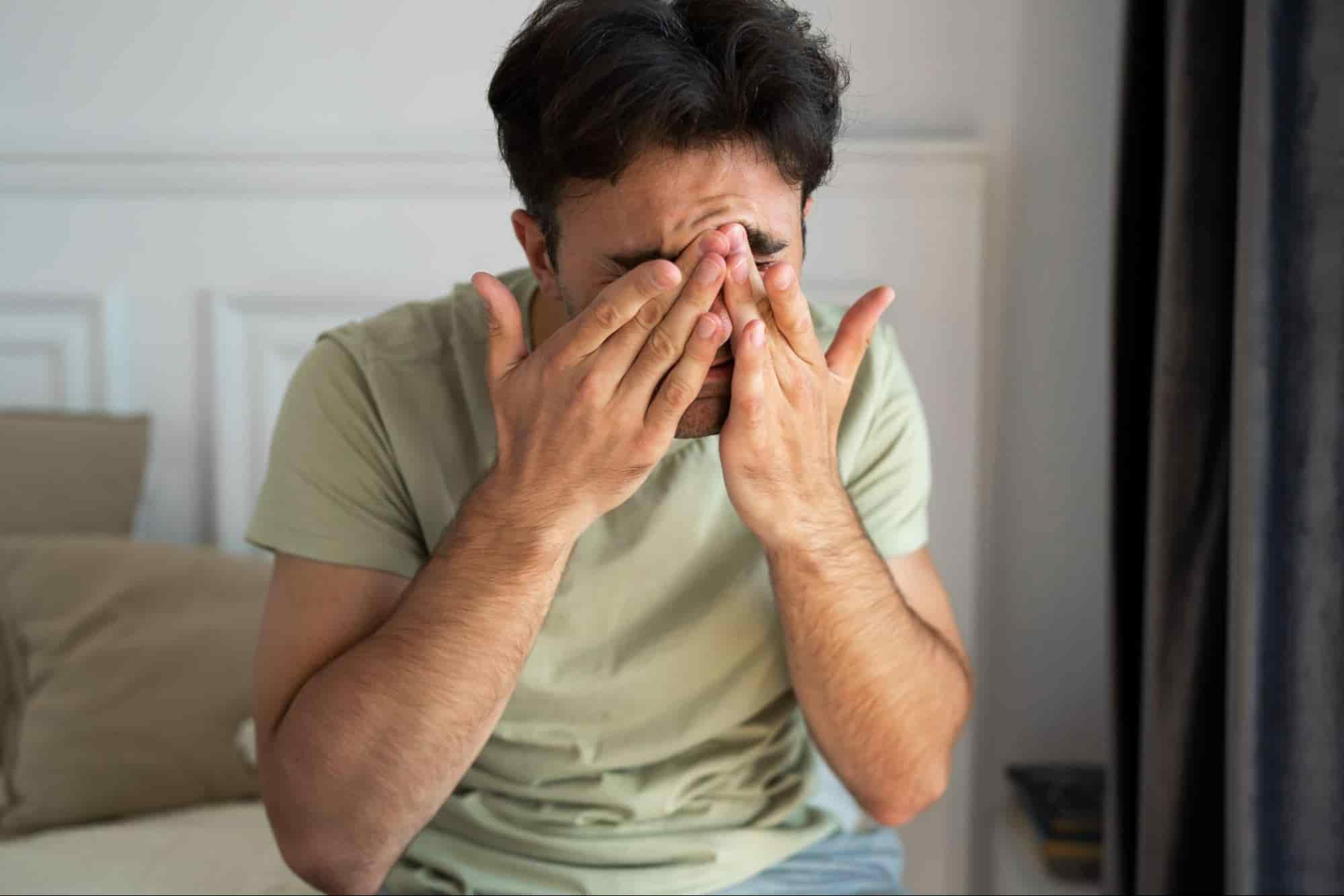
Eye twitching is a common ocular symptom characterized by uncontrollable muscle spasms around the upper or lower eyelids. While most mild spasms stem from stress, fatigue, or digital strain, persistent twitching can sometimes indicate underlying neurological conditions. Understanding its causes and symptoms empowers you to manage minor triggers effectively or seek immediate expert medical care when warning signs arise.
Highlight
- Eye twitching is typically caused by harmless myokymia triggered by lifestyle factors like stress, fatigue, or excessive caffeine intake.
- Eye strain, chronic dry eyes, and nutritional deficiencies in magnesium or B vitamins frequently contribute to persistent eyelid muscle spasms.
- Diagnosis relies on comprehensive slit-lamp exams, with advanced imaging such as MRI or EMG reserved for severe or facial-spreading spasms.
- Treatment ranges from simple lifestyle adjustments and artificial tears for mild dryness to targeted botulinum toxin (Botox) injections for chronic blepharospasm.
Table of Content
Eye twitching is an involuntary muscle contraction or spasm affecting either the upper or lower eyelid, usually occurring on one side. Most cases result from daily factors like stress or fatigue, resolving harmlessly within minutes.
However, persistent twitching or accompanying symptoms may indicate an underlying neurological condition requiring prompt ophthalmic evaluation.
Types of Eye Twitching
- Myokymia The most common form involving mild, temporary spasms in one eyelid, typically triggered by stress, caffeine, or fatigue, and resolving spontaneously.
- Benign Essential Blepharospasm A rarer, more severe neurological condition that begins as increased involuntary blinking in both eyes and can progress to involuntary eyelid closure.
- Hemifacial Spasm A neuromuscular disorder characterized by involuntary eye twitching on one side of the face, usually starting around the eyelid and gradually spreading to adjacent facial muscles.
Why Does My Bottom Eyelid Twitch?
Bottom eyelid twitching typically presents as subtle, involuntary muscle spasms (myokymia) that are felt by the patient but rarely visible to others. It is commonly triggered by tiredness, stress, excessive caffeine, or uncorrected vision strain often seen in patients dealing with uncorrected Myopia or Hyperopia. Underlying dry eyes or ocular allergies can also irritate muscles, causing persistent lower lid contractions.
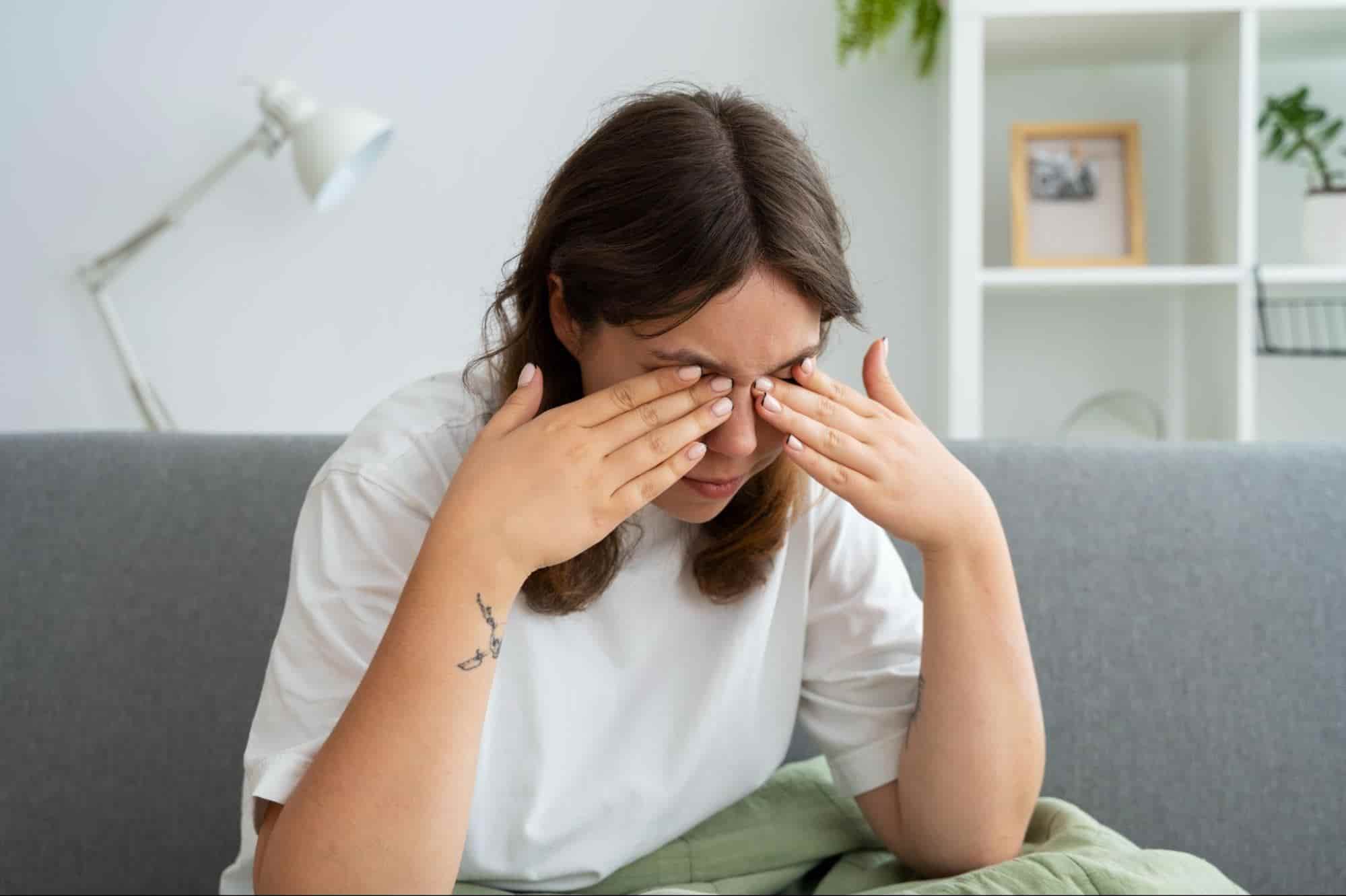
While the precise mechanism remains unclear, primary eye twitching causes are frequently tied to daily environmental stressors, muscular fatigue, eye irritation, or specific nutritional imbalances.
Stress and Anxiety
Elevated stress and anxiety trigger the release of stress hormones like cortisol and adrenaline, which heighten nervous system sensitivity. This heightened state causes involuntary nerve impulses to fire repeatedly, leading to minor muscular hyper-excitability around the sensitive eyelid tissues.
Lifestyle Triggers
Physical fatigue, poor sleep quality, and excessive caffeine or alcohol consumption significantly increase eye twitching risks. Sleep deprivation exhausts facial muscles, while caffeine acts as a central nervous system stimulant and alcohol induces muscle instability, triggering temporary localized spasms.
Eye Strain and Screen Time
Prolonged screen time or uncorrected visual refractive errors force ocular muscles to overwork continuously. Patients who have undergone refractive procedures like PRK, Femto Lasik, or SMILE Pro must also ensure proper surface healing to prevent post-operative fatigue and strain that disrupts normal muscle tone, triggering localized spasms in the orbicularis oculi muscle surrounding the upper and lower eyelids.
Dry Eyes and Allergies
Chronic dry eyes disrupt the delicate tear film, while ocular allergies trigger histamines that cause localized inflammation and surface irritation. This continuous surface friction and discomfort signal adjacent nerves, prompting involuntary eyelid contractions to clear the irritation.
Nutritional Deficiencies (Magnesium and B Vitamins)
Magnesium regulates neuromuscular transmission, while B vitamins support proper nerve signaling and cellular metabolism. Some evidence suggests that magnesium or B-vitamin deficiency may affect neuromuscular function and nerve signaling, and is sometimes associated with eyelid twitching, though this link is less well-established than other triggers like stress or fatigue.
Diagnosing eye twitching begins with identifying underlying triggers, ranging from mild eyelid fatigue to complex neurological conditions.
While most cases require only a routine eye examination, severe or persistent spasms necessitate advanced diagnostic testing to rule out structural nerve involvement.
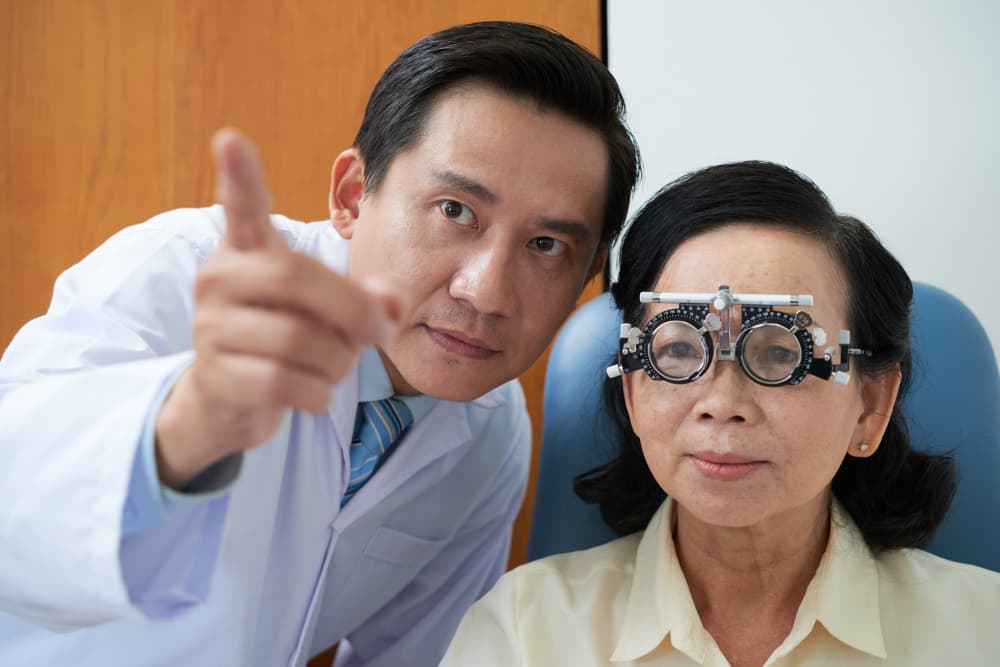
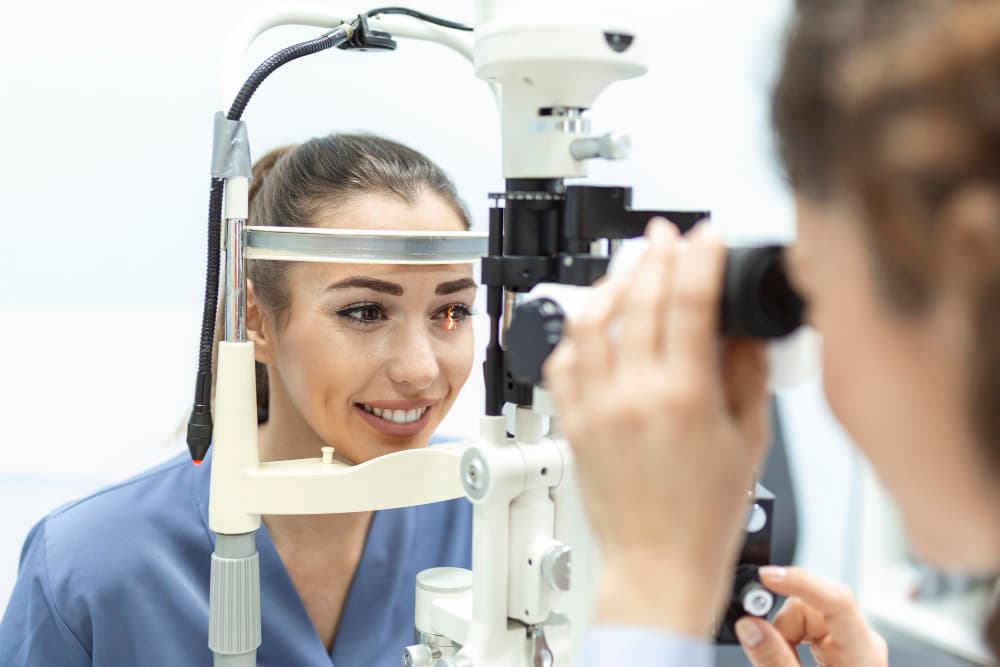
- Clinical History and Physical Exam An ophthalmologist evaluates lifestyle factors, symptom frequency, and performs a slit-lamp exam to check for surface irritation, corneal issues, or dry eyes.
- Neurological Assessment Specialists evaluate facial nerve function and muscle symmetry if spasms spread or force the eyelids shut, screening for blepharospasm or hemifacial spasm.
- Magnetic Resonance Imaging (MRI) For severe, progressive cases, an MRI scans the brainstem and facial nerves to detect structural lesions, vascular compression, or underlying neurological disorders.
- Electromyography (EMG) Conducted in complex cases, an EMG records electrical activity in facial muscles to precisely evaluate abnormal neuromuscular transmission and localized nerve dysfunction.
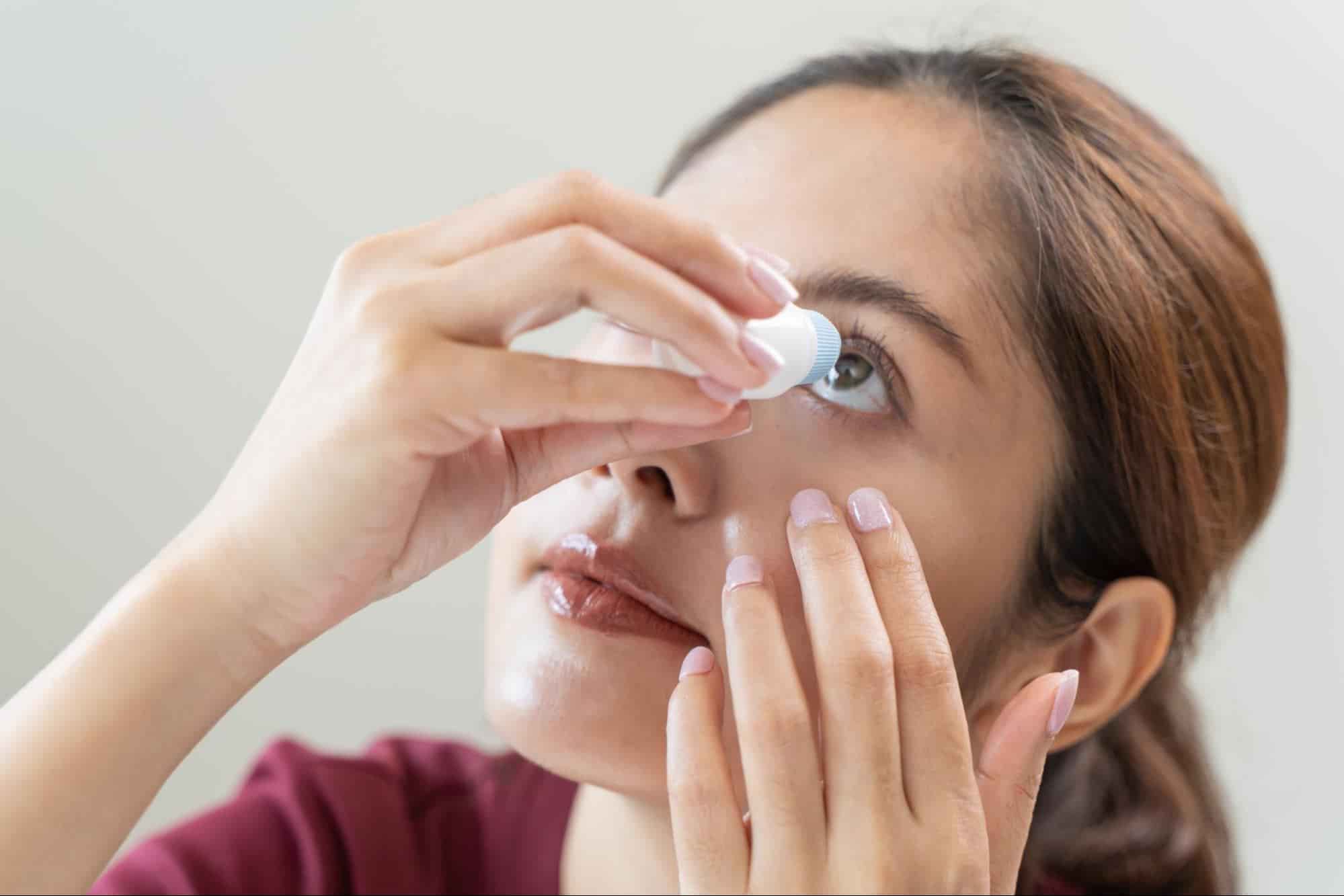
Managing eye twitching involves addressing immediate triggers through simple home care, while persistent or severe neuromuscular spasms require professional medical interventions.
Lifestyle and Self-Care Changes
Lifestyle adjustments focus on eliminating common environmental triggers to calm hyperactive eyelid nerves. By modifying daily habits, you reduce neuromuscular stress and allow overworked ocular muscles to relax.
This conservative approach is best suited for individuals experiencing mild, temporary eyelid myokymia caused by fatigue, prolonged screen time, or daily stress.
- Prioritize Sleep Aim for 6 to 8 hours of restorative sleep nightly to allow facial nerves and muscles to recover fully.
- Follow the 20-20-20 Rule Take a 20-second break every 20 minutes by focusing on an object 20 feet away to alleviate digital eye strain.
- Limit Stimulants Gradually reduce caffeine and alcohol consumption to avoid overstimulating the central nervous system.
- Apply Warm Compresses Place a warm, damp cloth over closed eyelids for 10 to 15 minutes to soothe muscle spasms.
Lubricating Eye Drops for Dry-Eye-Related Twitching
Lubricating eye drops, or artificial tears, stabilize the tear film and restore moisture to the eye's surface. They relieve localized irritation and friction that continually trigger involuntary muscle reflexes.
Patients apply these over-the-counter drops several times daily to calm hyper-reactive nerves. This treatment is ideal for individuals suffering from chronic dry eyes, ocular allergies, or screen-induced eye strain whose eye twitching stems directly from surface dryness.
Botox Injections for Severe Cases (Blepharospasm)
Botulinum toxin (Botox) injections temporarily block the nerve signals that cause involuntary muscle contractions. An ophthalmologist injects small doses into specific muscles around the eyelids, effectively relaxing them and stopping severe spasms for three to six months.
This advanced medical therapy is ideal for patients diagnosed with moderate-to-severe benign essential blepharospasm or hemifacial spasm that fails to respond to self-care or oral medications.
While most eyelid spasms are benign, persistent eye twitching accompanied by additional facial or neurological symptoms can indicate an underlying medical condition requiring immediate evaluation.
Eye Twitching for Days: How Long Is Too Long?
Occasional eye twitching usually resolves within hours or days, but people who experience eye twitches everyday should monitor their symptoms closely. Spasms persisting continuously for more than two to three weeks without improvement warrant a professional evaluation by an ophthalmologist to rule out chronic neuromuscular disorders.
Is It a Sign of a Brain Tumor or Seizure?
While brain tumors and seizure disorders are extremely rare causes of isolated eyelid spasms, persistent eye twitching can sometimes be linked to broader neurological conditions such as Bell's palsy, facial dystonia, Multiple Sclerosis (MS), Parkinson's disease, or Tourette syndrome. all of which typically involve symptoms beyond just the eyelid.
Other Red Flags That Need a Doctor
- Facial Spreading The eye twitching extends to your cheek, mouth, or other parts of the face.
- Involuntary Eyelid Closure Spasms force the eyelid to close completely or cause difficulty opening the eye.
- Structural Changes Eyelid drooping (ptosis), facial weakness, or numbness on one side.
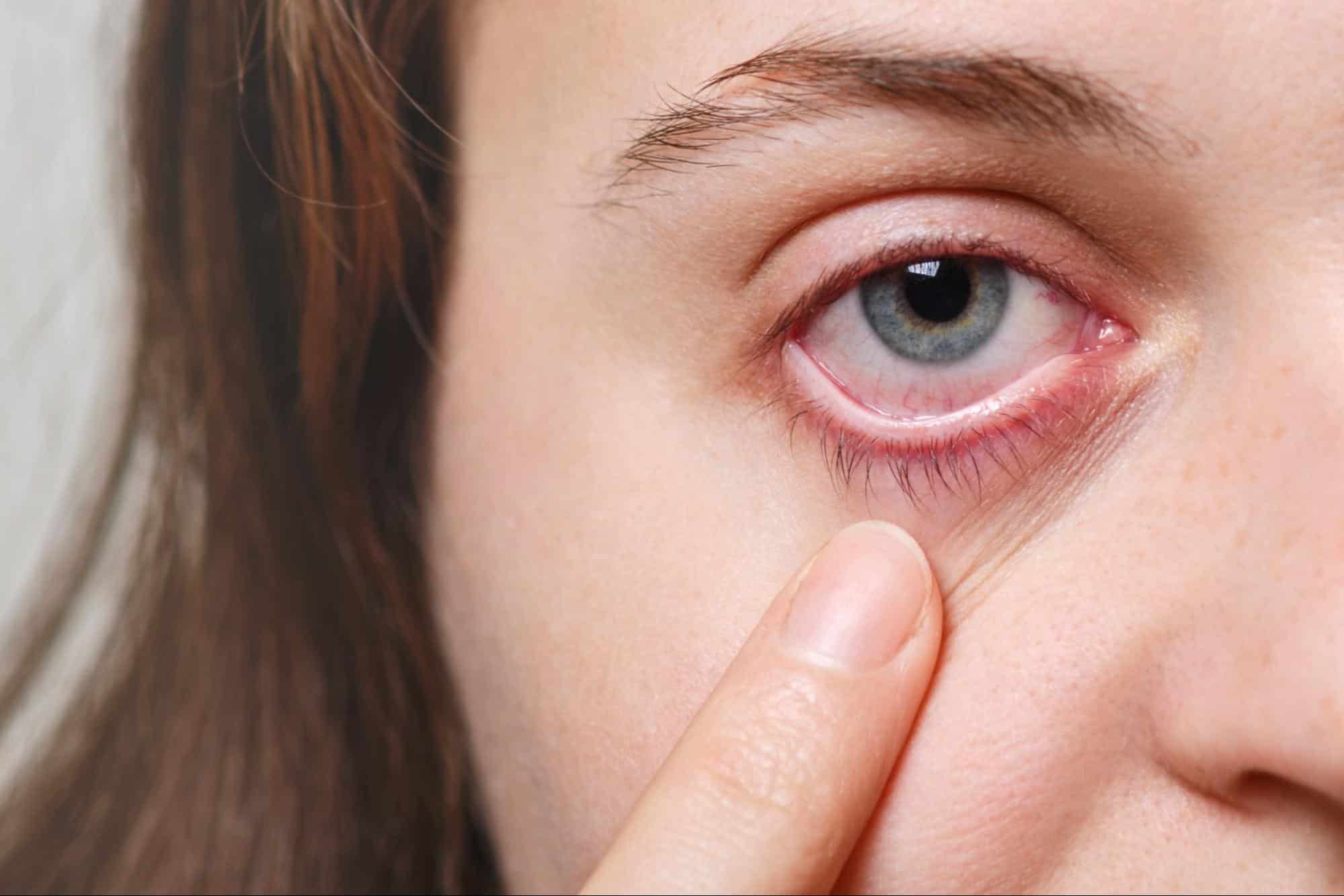
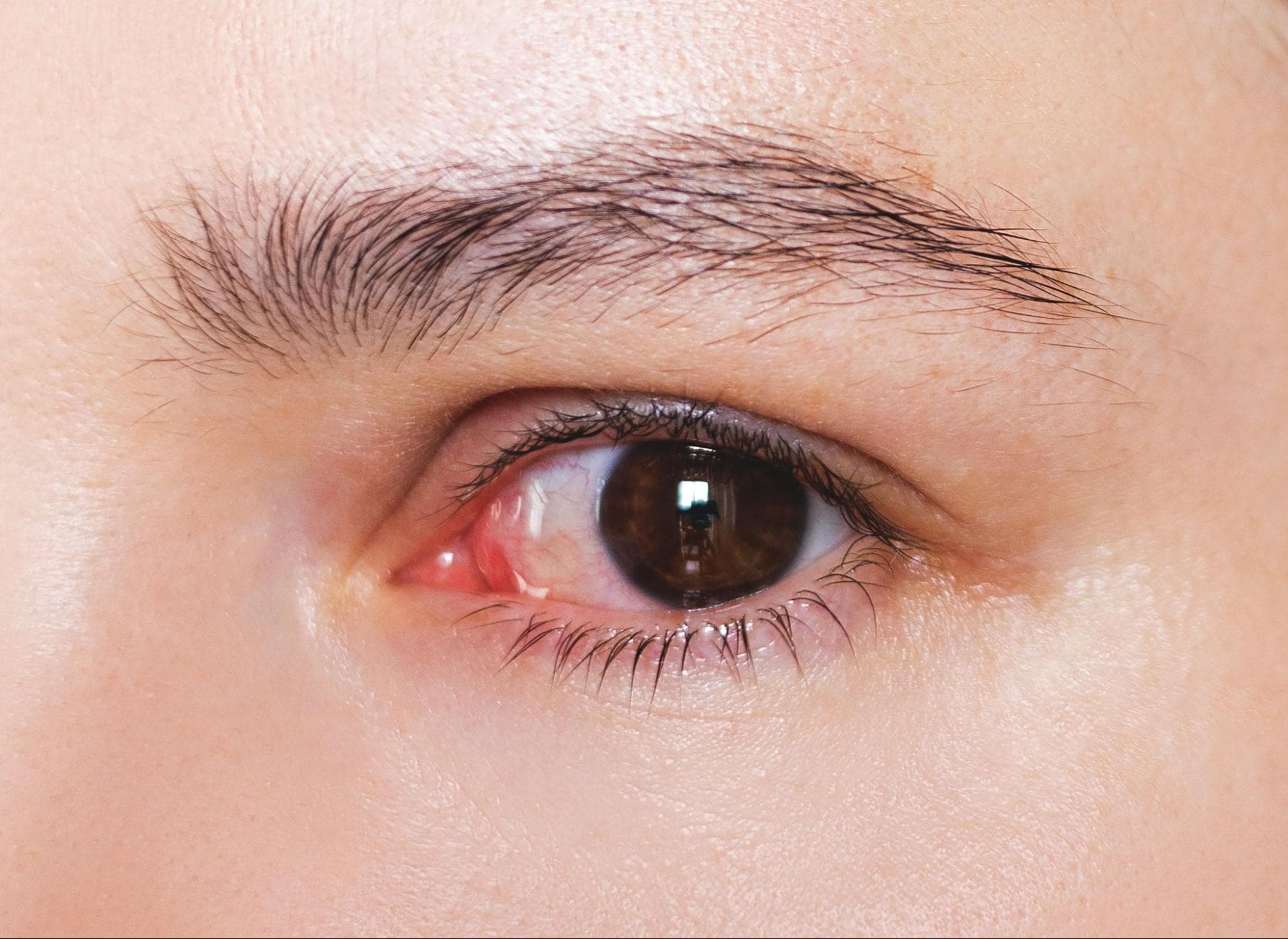
- Ocular Inflammation Accompanying eye redness, swelling, severe light sensitivity, or discharge.
Eye twitching is a common condition affecting people of all ages, usually triggered by lifestyle factors like stress, fatigue, chronic dry eyes, or prolonged screen time. Most mild cases improve with simple daily adjustments. However, if eye twitching persists for weeks or presents with warning flags like facial spreading, seeking early medical advice is essential.
At Samitivej Chinatown Hospital, our experienced team of eye specialists is ready to care for your vision with advanced diagnostic technology. From lifestyle management and dry eye therapy to Botulinum Toxin (Botox) injections and comprehensive long-term care, we offer complete ocular solutions under one roof.
What does it mean if only one eye twitches instead of both?
Unilateral eye twitching is extremely common and usually indicates benign eyelid myokymia triggered by localized muscle fatigue, stress, excessive caffeine, or digital eye strain. Whether you notice right eye twitching or isolated left eye twitching, it rarely signals a serious medical condition unless accompanied by facial weakness or involuntary closure.
Is left eye twitching considered good or bad luck for women?
Cultural superstitions often assign a specific left upper eyelid twitching meaning or right eye twitch meaning to luck, but medically, it holds no spiritual significance. Eyelid spasms are purely physiological responses triggered by physical fatigue, stress, ocular irritation, or nervous system stimulation.
Can eye twitching last for weeks without a serious cause?
Yes, eye twitching can persist for several weeks due to unaddressed daily triggers like chronic stress, ongoing sleep deprivation, or unmanaged dry eyes. However, if it lasts beyond two to three weeks, a medical evaluation is recommended to rule out underlying conditions.
Does drinking more water help stop eye twitching?
Proper hydration helps maintain electrolyte balance and proper muscle function, which can alleviate spasms if dehydration was a contributing factor. However, increasing water intake alone will not stop eye twitching caused by lack of sleep, high stress, or dry eye syndrome.
Can children experience eye twitching too?
Yes, children can experience eye twitching, most commonly due to fatigue, stress, excessive screen time, uncorrected vision problems, or allergies. While observing a toddler eye twitching while awake is usually harmless, frequent eye twitching or eye rubbing in children should be evaluated by an eye doctor.