What Is Cortical Cataract: Symptoms, Causes & Treatment
Article by: seoteam seoteam Last updated: 15 May 2026

Understanding cortical cataract is the first step toward preserving your vision. This specific type of cataract affects the lens cortex, often creeping in from the edges to blur your sight. Whether you're experiencing increased glare or faded colors, this comprehensive guide covers everything from causes and diagnostic tests to the latest treatment options for restoring visual clarity.
Key Takeaway
- Cortical cataracts are unique for their "spoke-like" patterns that start at the lens periphery and move inward, scattering light and causing significant haze.
- Key warning signs of cortical cataract include intense sensitivity to glare, especially during night driving, poor low-light vision, and a noticeable fading of vibrant colors.
- Eye specialists use advanced slit-lamp and retinal exams to map these opacities precisely, ensuring an accurate assessment of how the cataract impacts your sight.
- While early stages may only require stronger prescription glasses, the definitive treatment is a quick, safe surgery to replace the cloudy lens with a clear IOL.
Table of Contents
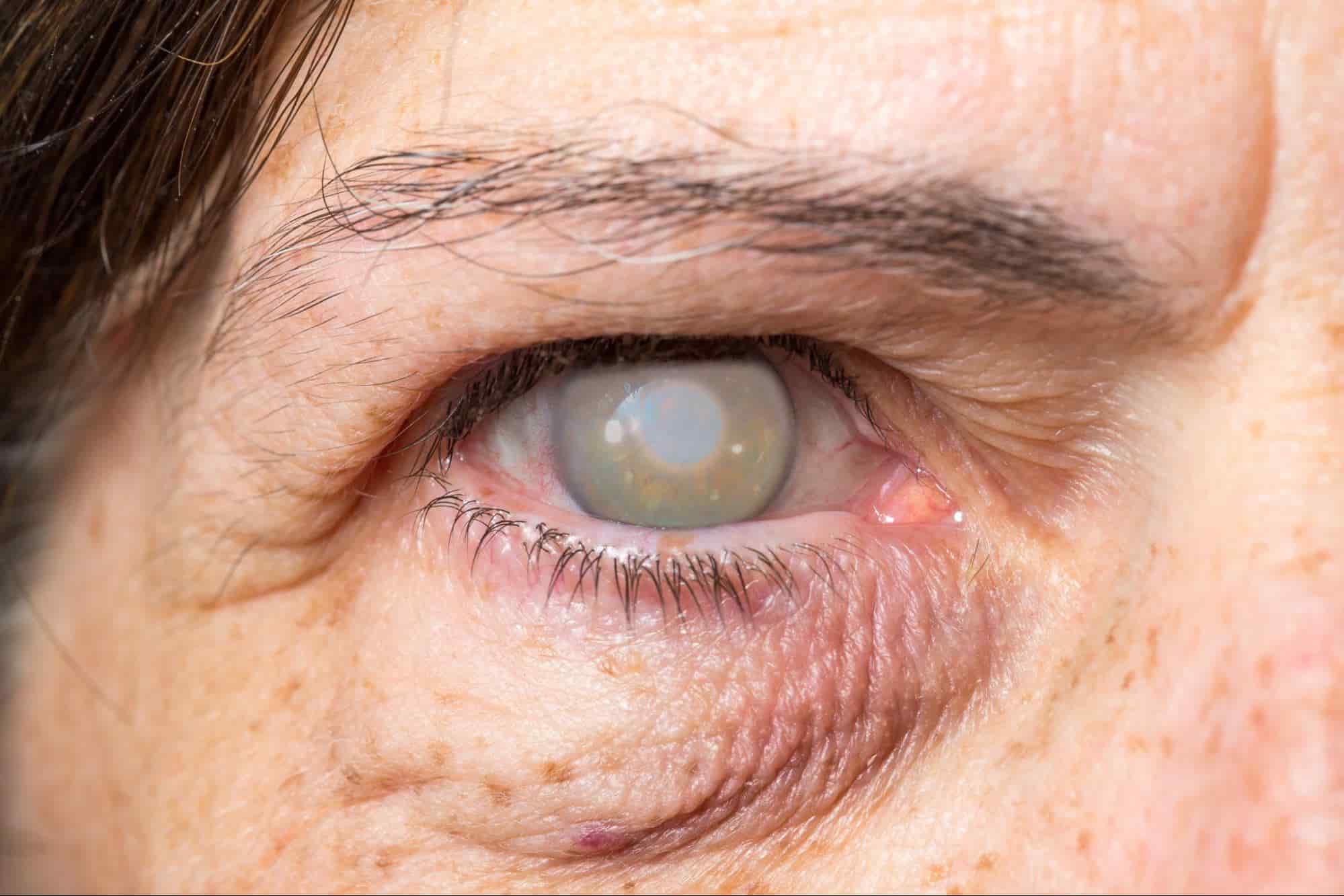
A cortical cataract is a type of cataract that develops in the lens cortex, beginning at the edges and progressing toward the center in a spoke-like pattern. This growth causes light entering the eye to scatter, leading to hazy or blurred vision.
A cortical cataract can develop slowly or progress rapidly and are categorized as anterior or posterior, often resulting from age or specific eye injuries.
- Understand the clinical complexities of intumescent cataract. Discover essential insights on diagnosis and timely surgical intervention to prevent serious complications : Intumescent Cataract
cortical cataracts are categorized based on their location within the lens. Both types can scatter light, leading to glare sensitivity and distorted colors as they progress inward.
- Posterior Cortical Cataract: Forms directly beneath the lens capsule. This type is often highly disabling as it significantly increases glare and reduces visual clarity, particularly in bright light or while driving at night.
- Anterior Cortical Cataract: Develops in the front section of the lens capsule. While often caused by eye injuries, early stages may be managed with prescription glasses before surgery becomes necessary.
Cortical cataracts often develop slowly. Early recognition of these signs is key to timely treatment:
- Blurry Vision: Objects appear increasingly out of focus, making daily tasks difficult.
- Glare Sensitivity: Difficulty with bright lights or oncoming headlights while driving at night.
- Poor Night Vision: Struggling to see or navigate in low-light environments.
- Faded Colors: Colors may appear dull, yellowed, or less vibrant than usual.
Cortical cataracts typically stem from a combination of genetic and environmental causes. Key causes include:
- Genetic factors can increase your predisposition to developing cataracts earlier in life.
- The natural aging process leads to changes in lens protein structure.
- Trauma or previous eye surgery can trigger localized opacities.
While age and genetics are primary causes, certain health conditions and habits can accelerate the development of cortical cataracts. Key risk factors include:
- Severe Myopia: High levels of nearsightedness are often linked to early lens changes.
- Diseases: Conditions like diabetes and hypertension significantly increase the risk.
- Smoking: Tobacco use introduces oxidative stress that damages lens proteins.
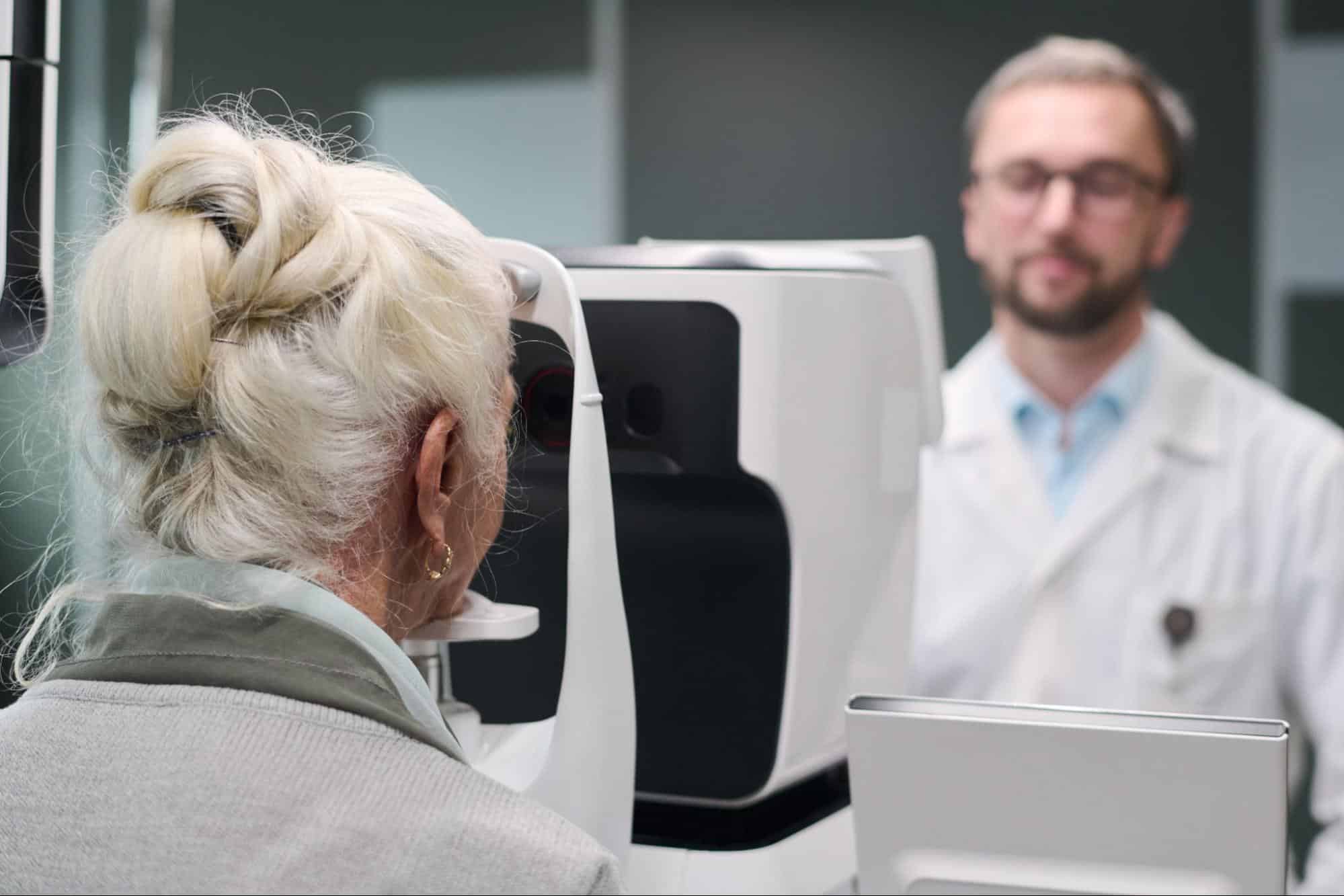
To confirm the presence and severity of a cortical cataract, ophthalmologists perform a comprehensive eye exam. This typically involves three primary diagnostic tests:
- Visual Acuity Test: A standard reading test to measure how clearly you see letters at various distances.
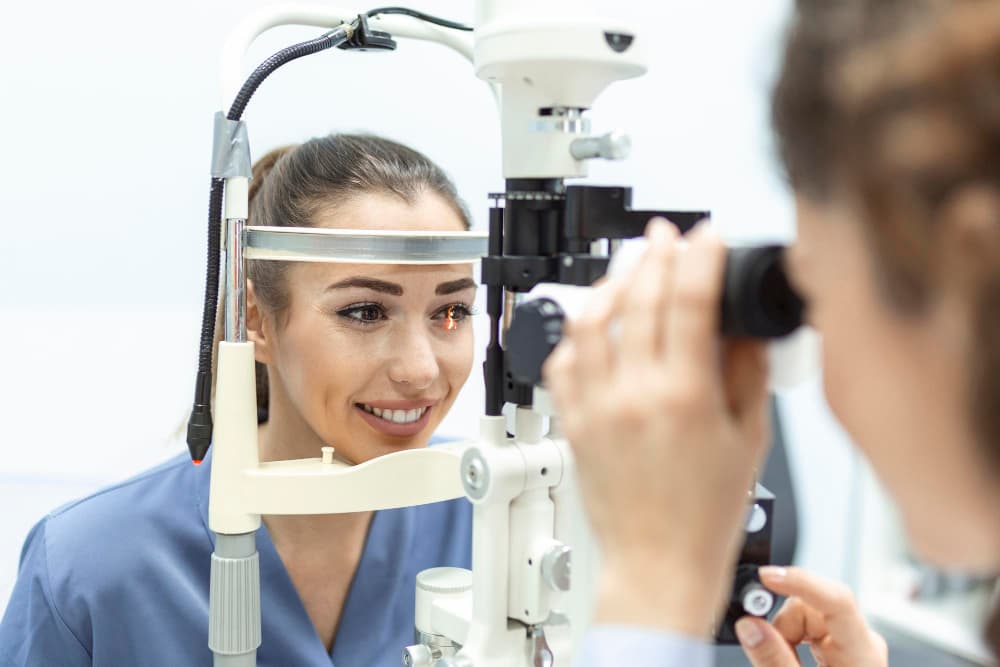
- Slit-lamp Exam: Using a specialized microscope, the doctor examines the lens and iris under high magnification to detect "spoke-like" opacities.
- Retinal Exam: After dilating the pupils with eye drops, the doctor inspects the back of the eye and the lens to assess the cataract's progression and overall eye health.
Treatment depends on the cataract's progression. In the early stages, updated prescription glasses with stronger lenses can temporarily improve visual clarity. However, as the "spoke-like" opacities advance toward the center of the lens, surgery becomes necessary.
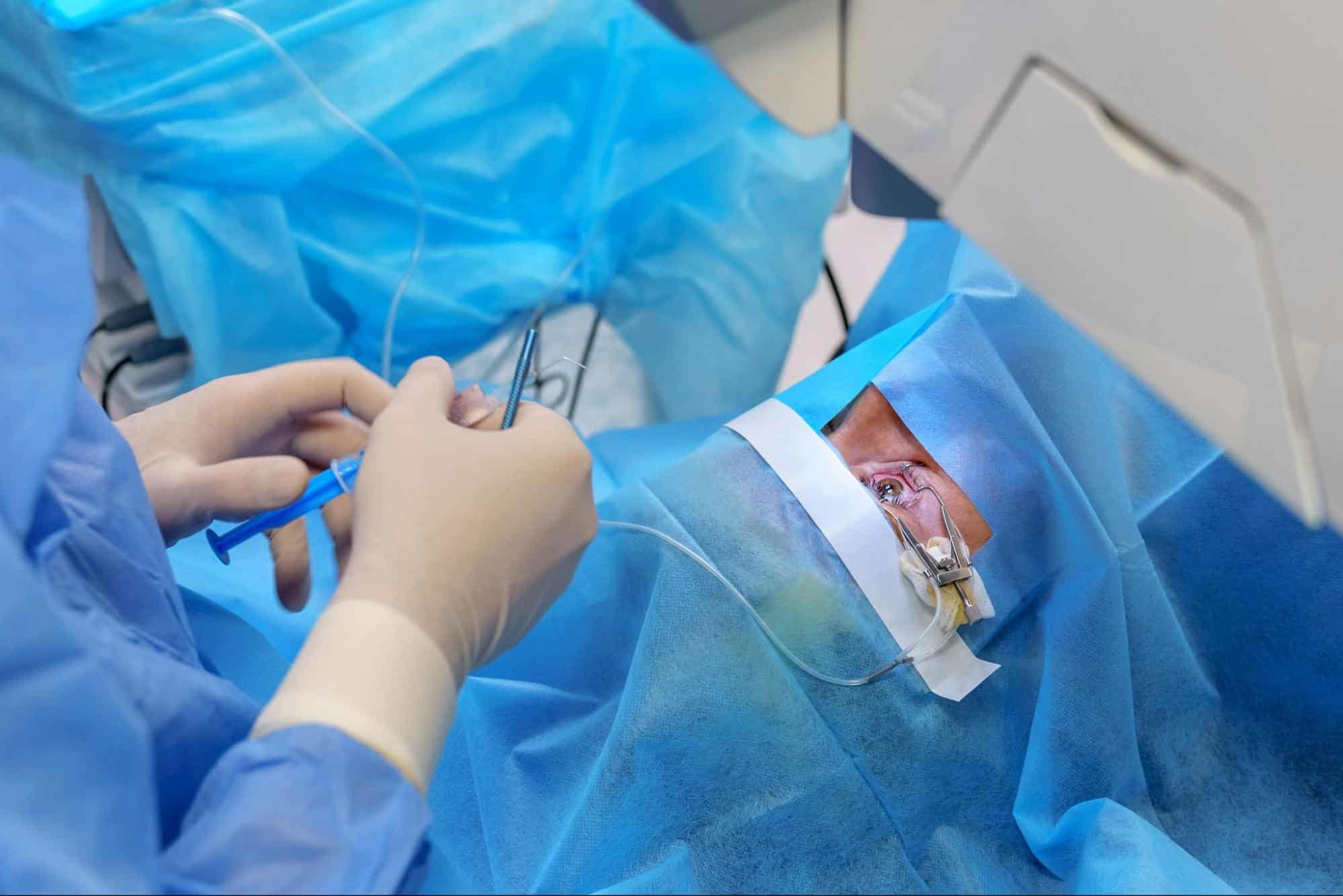
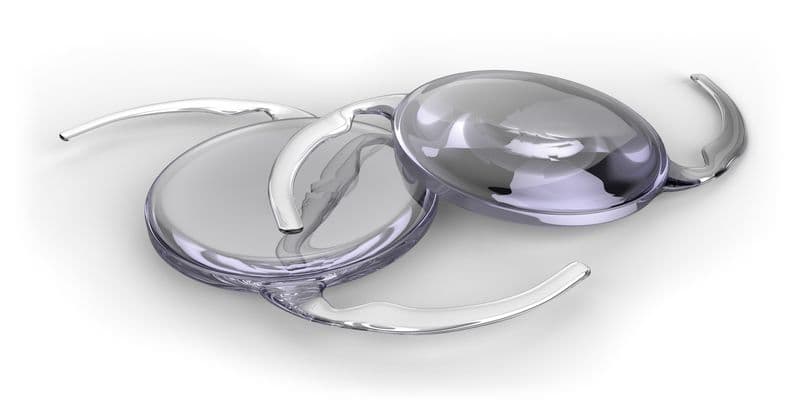
Cataract surgery typically involves replacing the cloudy natural lens with a clear artificial intraocular lens (IOLs). This 15–20 minute procedure effectively restores sight and prevents complications like glaucoma, allowing patients to return home the same day.
- Explore the gold standard of cataract treatment. Learn how advanced Phaco technology offers a safe, precise, and rapid vision restoration : Phaco
While you cannot control aging or genetics, adopting healthy habits can significantly delay the onset or progression of cortical cataracts. Focus on these protective measures:
- UV Protection: Wear sunglasses that block 100% of UV rays to shield your lenses from sun damage.
- Regular Eye Exams: Schedule annual check-ups, especially after age 60, to detect and manage changes early.
- Smoking Cessation: Quitting smoking reduces oxidative stress, a major contributor to lens clouding.
- Limit Alcohol: Reducing alcohol consumption can lower your overall risk of developing opacities.
- Diabetes Management: Keeping blood sugar within a healthy range prevents sugar-related damage to the lens fibers.
cortical cataracts can be a life-altering condition, but they are highly manageable with the right knowledge and medical care. By recognizing the symptoms early and understanding the risk factors such as age, myopia, and lifestyle choices, you can take control of your eye health. Modern surgery remains the gold standard for treatment, offering a safe and permanent way to regain clear, sharp vision.
At Samitivej Chinatown, we specialize in diagnosing and treating all forms of cataracts, including complex cortical cases. Our dedicated eye center combines advanced diagnostic technology with the expertise of leading ophthalmologists to ensure a seamless treatment journey. From precise visual assessments to state-of-the-art IOLs implantation, we provide personalized care in a comfortable environment, helping you see the world clearly again with total peace of mind.
What distinguishes cortical cataracts from other types of cataracts?
Unlike nuclear cataracts that cloud the center, cortical cataracts begin as white, spoke-like opacities at the lens periphery. They specifically scatter light, causing significant glare and halo effects during night driving.
How long does it take to recover from cortical cataract surgery?
Most patients notice improved clarity within 24–48 hours. While you can return to light activities in a few days, full healing and stabilization of vision typically take about four to six weeks.
Are there any risk factors associated with cortical cataracts?
Key risk factors include advancing age, diabetes, and prolonged UV exposure. Additionally, high myopia (nearsightedness), smoking, and long-term use of certain medications like steroids can accelerate the development of cortical opacities.