Amblyopia (Lazy Eye) Explained: A Complete Guide for Parents and Adults
Article by: seoteam seoteam
Published: 29 October 2026
Last updated: 29 October 2026
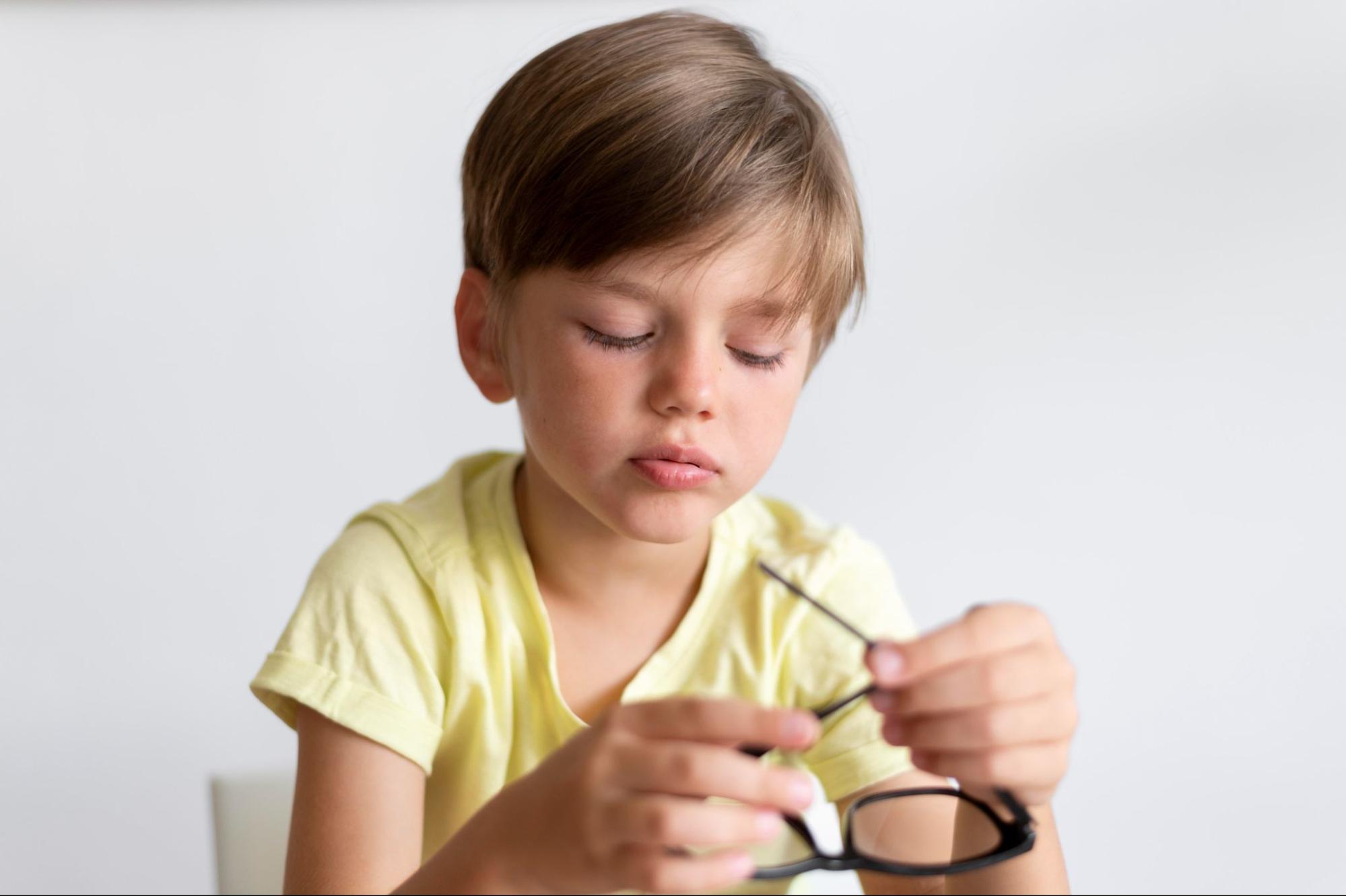
Amblyopia, often called lazy eye, is a common childhood vision problem in which one eye does not develop normal sight, even with glasses. It happens when the brain and one eye do not work together properly, so the brain starts to favor the stronger eye. Amblyopia affects roughly 1 to 3 out of every 100 children, depending on the country and the study, and it rarely causes obvious symptoms, which is why many cases are found only during a routine eye exam. Amblyopia responds well to treatment, especially when it is caught early.
This guide explains what amblyopia is, how it differs from strabismus, its main types and causes, the warning signs to look for, and the treatment options for both children and adults.
Highlight
- Amblyopia (lazy eye) is reduced vision in one eye caused by abnormal vision development in early childhood, not by damage to the eye itself.
- Amblyopia and strabismus are different conditions, although misaligned eyes are one of the most common causes of amblyopia.
- The main amblyopia types are strabismic, refractive (anisometropic or isometropic), and deprivation amblyopia.
- Amblyopia treatment includes glasses, eye patching, and atropine eye drops, with digital binocular therapy used in some cases, and it works best before about age 7.
- Adults with amblyopia can still see some improvement, but results are usually smaller than in children.
Table of Contents
Amblyopia is a vision development disorder in which one eye (or, less often, both eyes) does not reach normal sharpness of vision, even with the best glasses or contact lenses. The eye itself usually looks healthy. The problem lies in how the brain processes images from that eye.
In the first years of life, the brain learns to see by receiving clear, matching images from both eyes. If one eye sends a blurry or misaligned image, the brain begins to ignore it and relies on the stronger eye instead. As a result, the nerve pathways serving the weaker eye do not develop properly, which leads to decreased vision in that eye.
Common triggers include misaligned eyes and uncorrected refractive errors such as Hyperopia (farsightedness), Myopia (nearsightedness), or astigmatism, especially when one eye is much more affected than the other. Under the amblyopia ICD 10 classification, the condition is coded H53.0 (amblyopia ex anopsia). The US version, ICD-10-CM, adds subcodes for the deprivation, refractive, and strabismic types. Without treatment, amblyopia can cause lasting vision loss in the affected eye and weaker binocular vision, which affects depth perception.
People often use the two terms as if they mean the same thing, but strabismus vs amblyopia compares two different problems: one affects where the eye points, the other affects how well the eye sees. The table below sets out the main differences in amblyopia vs strabismus.
|
Feature
|
Amblyopia
|
Strabismus
|
|
What it is
|
Reduced vision in one or both eyes caused by abnormal visual development
|
Misalignment of the eyes, with one eye turning in, out, up, or down
|
|
Main problem
|
How clearly the eye sees
|
Where the eye points
|
|
Visible to others
|
Usually not; the eyes often look normal
|
Often yes; the eye turn can be seen
|
|
Common causes
|
Strabismus, unequal or high prescriptions, cataract or other blocked vision
|
Problems with eye muscle control, high farsightedness, family history
|
|
Typical signs
|
Poor depth perception, favoring one eye, squinting
|
Visible eye turn, head tilt, double vision (more common in adults)
|
|
How they relate
|
Can be caused by strabismus (strabismic amblyopia)
|
Can lead to amblyopia if not treated in childhood
|
|
Main treatments
|
Glasses, eye patching, atropine eye drops, and in some cases digital binocular therapy
|
Glasses, prism lenses, eye muscle surgery, plus amblyopia treatment if present
|
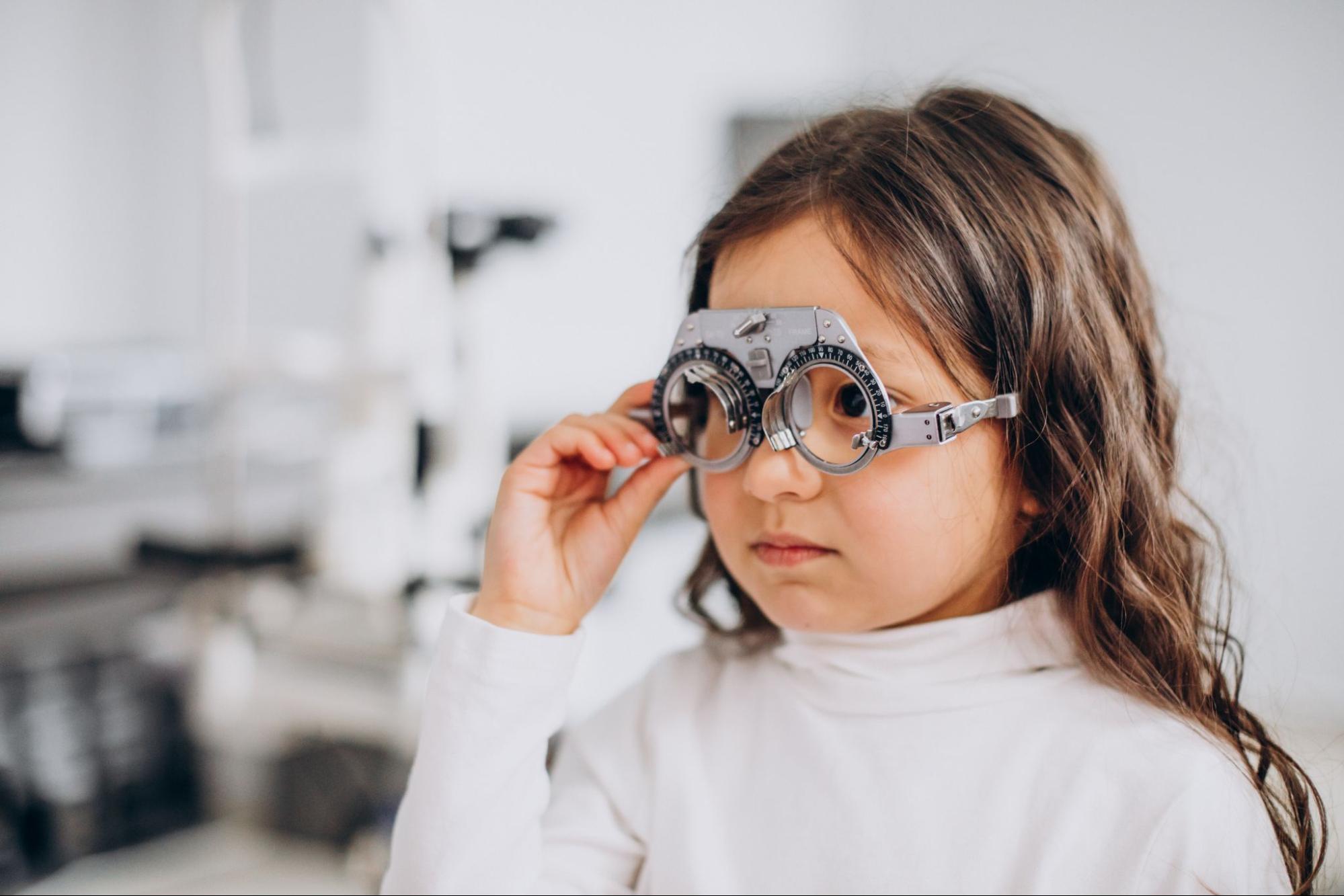
Amblyopia types are grouped by what blocks clear vision during childhood. A child can have more than one type at the same time.
Strabismus (Misaligned Eyes)
Strabismic amblyopia develops when the eyes are not aligned. Because each eye points in a different direction, the brain receives two different images, which would cause double vision. To avoid this, the brain suppresses the image from the turned eye, and over time the vision in that eye weakens. Strabismic amblyopia often needs treatment for both the vision loss and the eye alignment.
Refractive Errors (Anisometropic and Isometropic)
Refractive amblyopia is caused by blur from an uncorrected focusing problem. It has two forms
- Anisometropic amblyopia: the two eyes have a large difference in prescription, so one eye sees much more clearly than the other. The brain favors the clearer eye and the blurrier eye falls behind. This form, sometimes recorded as amblyopia anisometropic, is often missed because the eyes look straight and the child sees well with the better eye.
- Isometropic amblyopia: both eyes have a high, similar prescription, such as strong farsightedness or astigmatism, that was never corrected. Neither eye receives a sharp image, so vision in both eyes can be reduced.
Deprivation (Blocked Vision)
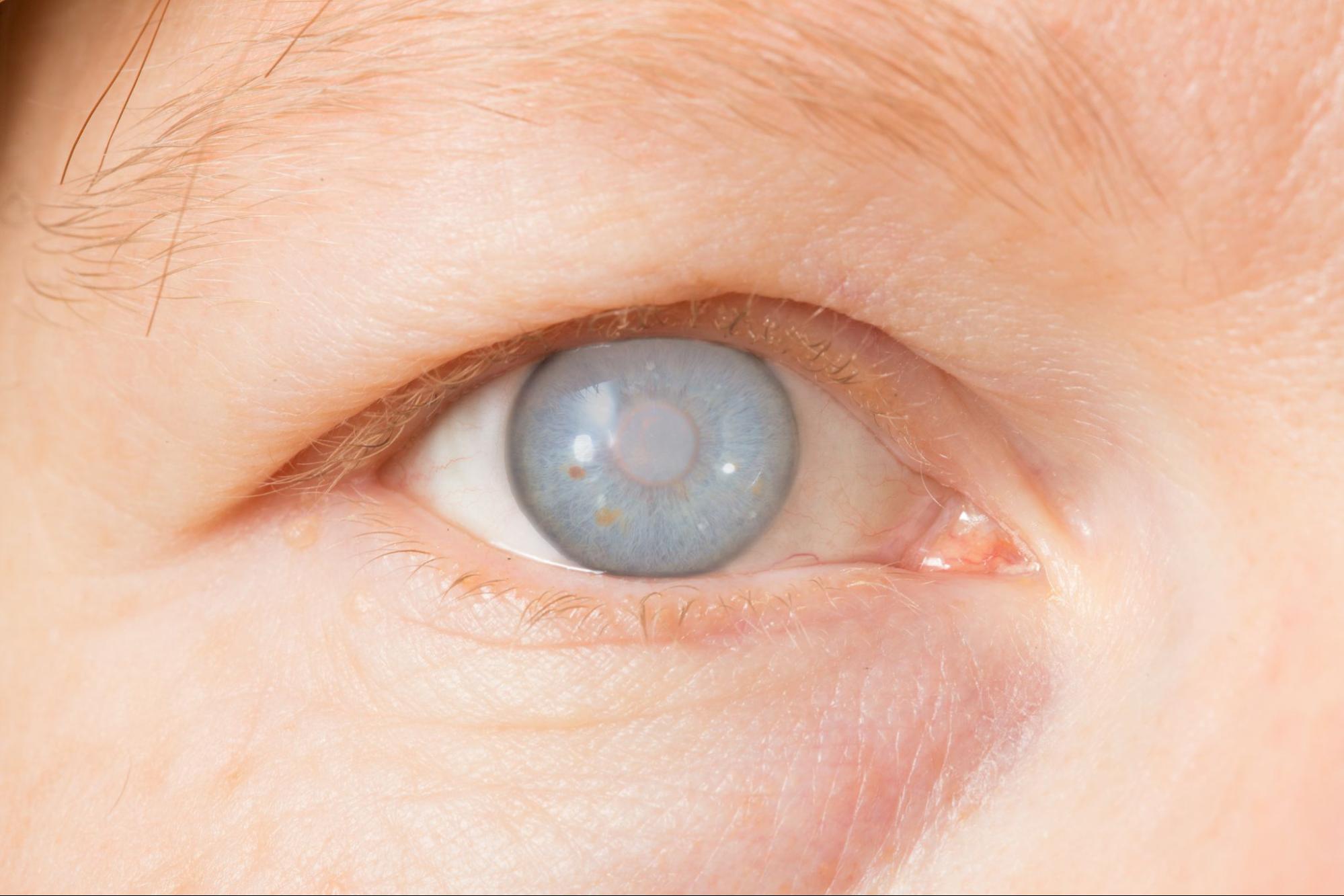
Deprivation amblyopia occurs when something blocks light from entering the eye, such as a cataract present from birth, a drooping eyelid (ptosis), or scarring on the cornea. It is the least common but most severe form, and the underlying cause needs prompt treatment, often within the first months of life, to give the eye a chance to develop.
Amblyopia is easy to miss because children rarely complain about poor vision in one eye; they simply use the other eye. Parents and teachers may notice some of these signs
- An eye that wanders inward or outward
- Squinting or closing one eye, especially in bright light or when looking at distant objects
- Tilting the head to look at things
- Poor depth perception, such as trouble catching a ball, judging steps, or pouring drinks
- Getting upset when one eye is covered, which can mean the other eye sees poorly
- Bumping into objects on one side
- A visible difference between the eyes, such as a drooping eyelid
Many children with amblyopia show no signs at all, so regular vision screening is the most reliable way to find it.
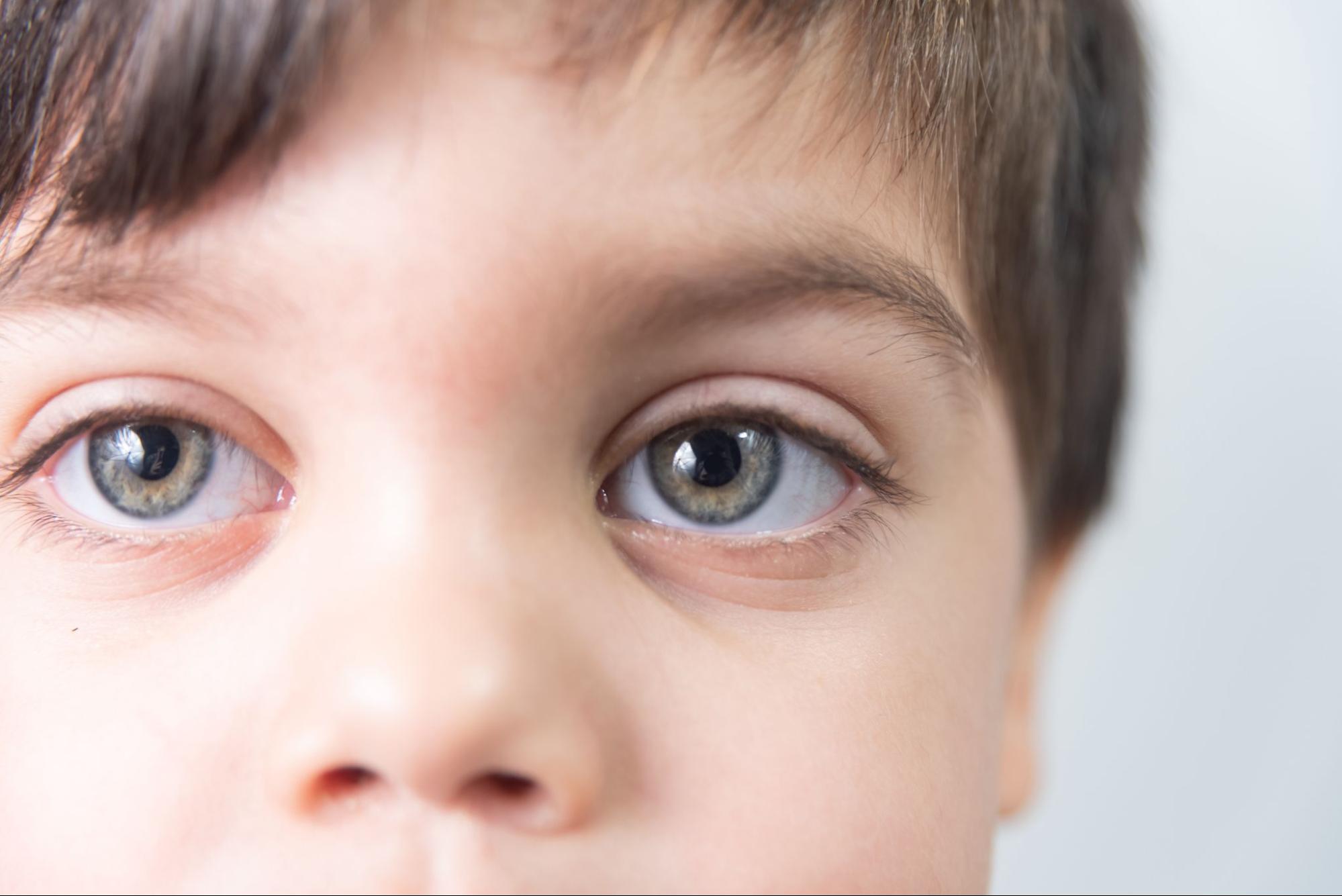
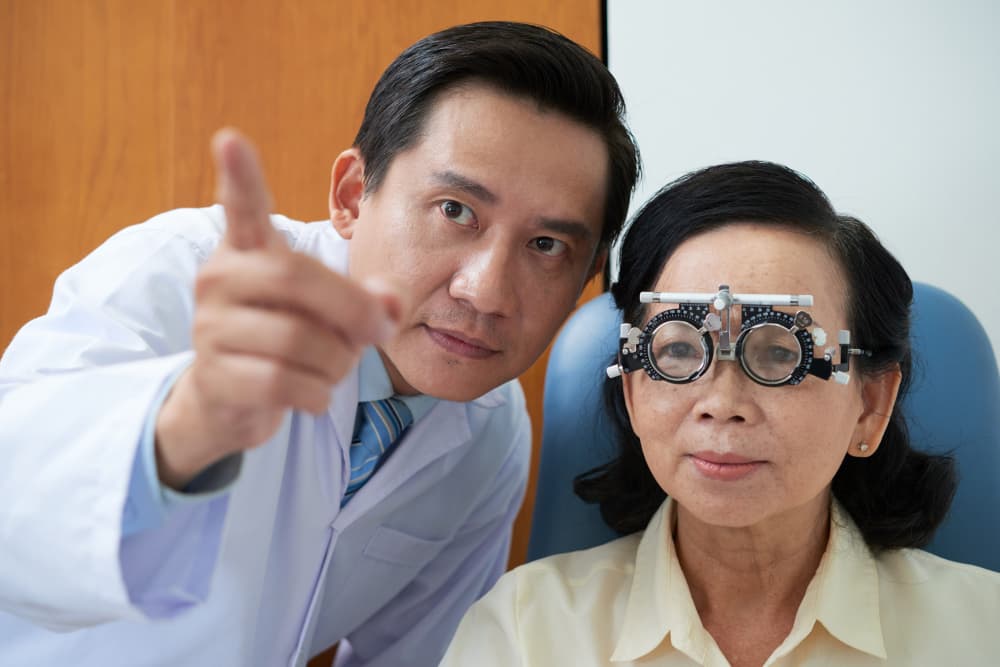
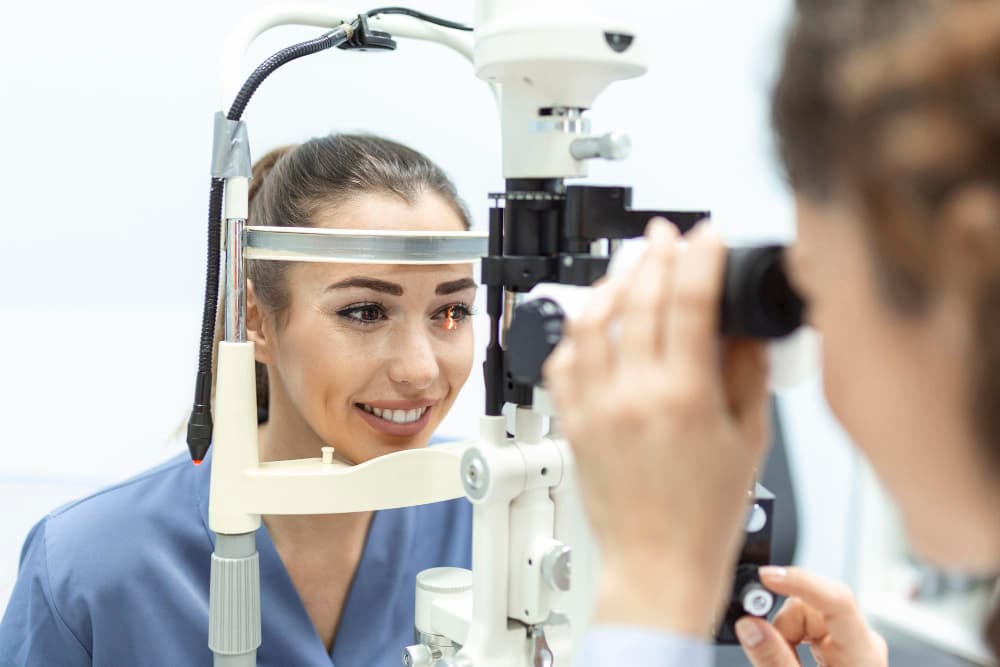
Amblyopia is diagnosed through a comprehensive eye exam, usually by an ophthalmologist or a child ophthalmologist. The exam looks for a difference in vision between the two eyes and for anything that could explain it. It usually includes
- Visual acuity testing: measures how clearly each eye sees, using letter charts, picture charts, or matching games for young children.
- Refraction with dilating eye drops: measures the prescription of each eye to find nearsightedness, farsightedness, or astigmatism.
- Eye alignment tests: cover tests check whether either eye drifts out of position.
- Eye health examination: checks the eyelids, lens, and retina for cataracts or other conditions that block vision.
Amblyopia is usually diagnosed when the vision in one eye is at least two lines worse on an eye chart than the other eye, in a child who has a cause such as strabismus or a large difference in prescription, and when no other eye disease explains the loss of vision.
Recommended Eye Exam Schedule for Children
Because amblyopia responds best to early treatment, children should have regular eye checks even if they seem to see well. A commonly recommended schedule is
- Newborn: an eye check before leaving the hospital
- 6 to 12 months: an eye check during a routine well-baby visit
- 1 to 3 years: vision screening, which may include an instrument-based photoscreener
- 3 to 5 years: visual acuity testing with an age-appropriate eye chart, recommended at ages 4 and 5, and at age 3 if the child can cooperate
- School age: vision screening every 1 to 2 years
Children who were born prematurely, or who have a family history of amblyopia, strabismus, or childhood cataract, should see an eye doctor earlier.
Amblyopia treatment has two goals: correct the cause of the blurry image, then train the brain to use the weaker eye. Most children need a combination of the treatments below, and the plan is adjusted to the child's age and progress.
Glasses or Contact Lenses
Glasses or contact lenses are usually the first step. They correct refractive errors so that both eyes send a clear image to the brain. In some children, particularly those with anisometropic or isometropic amblyopia, wearing glasses full-time for a few months is enough to improve vision considerably. Contact lenses can be a good option when the prescription differs greatly between the two eyes.
Eye Patching Therapy: Tips for Parents
Eye patching for amblyopia covers the stronger eye, so the brain has to use the weaker one. For moderate amblyopia, studies have shown that 2 hours of patching a day can work as well as 6 hours, although severe cases may need longer daily wear. Children who wear eye patches consistently tend to improve faster, but many resist the patch at first. These tips can help
- Start with patching during activities your child enjoys, such as drawing, puzzles, or games.
- Use a reward chart and praise every completed session.
- Choose patches with colorful designs, or let your child decorate them.
- Tell teachers and caregivers about the patch so the routine continues outside the home.
- Do not stop or skip sessions without talking to your doctor, because irregular patching slows progress.
Digital and Binocular Therapy (Amblyopia Games)
Binocular therapy uses specially designed video games, movies, or apps viewed through 3D glasses or a virtual reality headset. Each eye sees slightly different images, so the weaker eye has to work with the stronger eye to complete the task.
These amblyopia games aim to improve vision in the weaker eye while training both eyes to work together. Some digital treatments have been cleared for children by regulators such as the US FDA. However, research so far has not shown that they work better than patching, so an eye doctor may suggest them alongside glasses or patching rather than instead of them. Availability varies, so ask your eye doctor whether this option suits your child.
Atropine Eye Drops
Atropine eye drops are an alternative to patching. A drop placed in the stronger eye temporarily blurs its near vision, which encourages the brain to rely on the weaker eye. Drops are often used once a day or only on weekends. For moderate amblyopia, atropine can be as effective as patching, and some children accept it more easily.
Possible side effects include light sensitivity, eye irritation, and blurred near vision in the treated eye. Rarely, atropine can cause a flushed face, fever, or a fast heartbeat, and in some children it can lower vision in the stronger eye, so regular follow-up visits are needed. Call your doctor if any of these signs appear.
Surgery for Underlying Causes
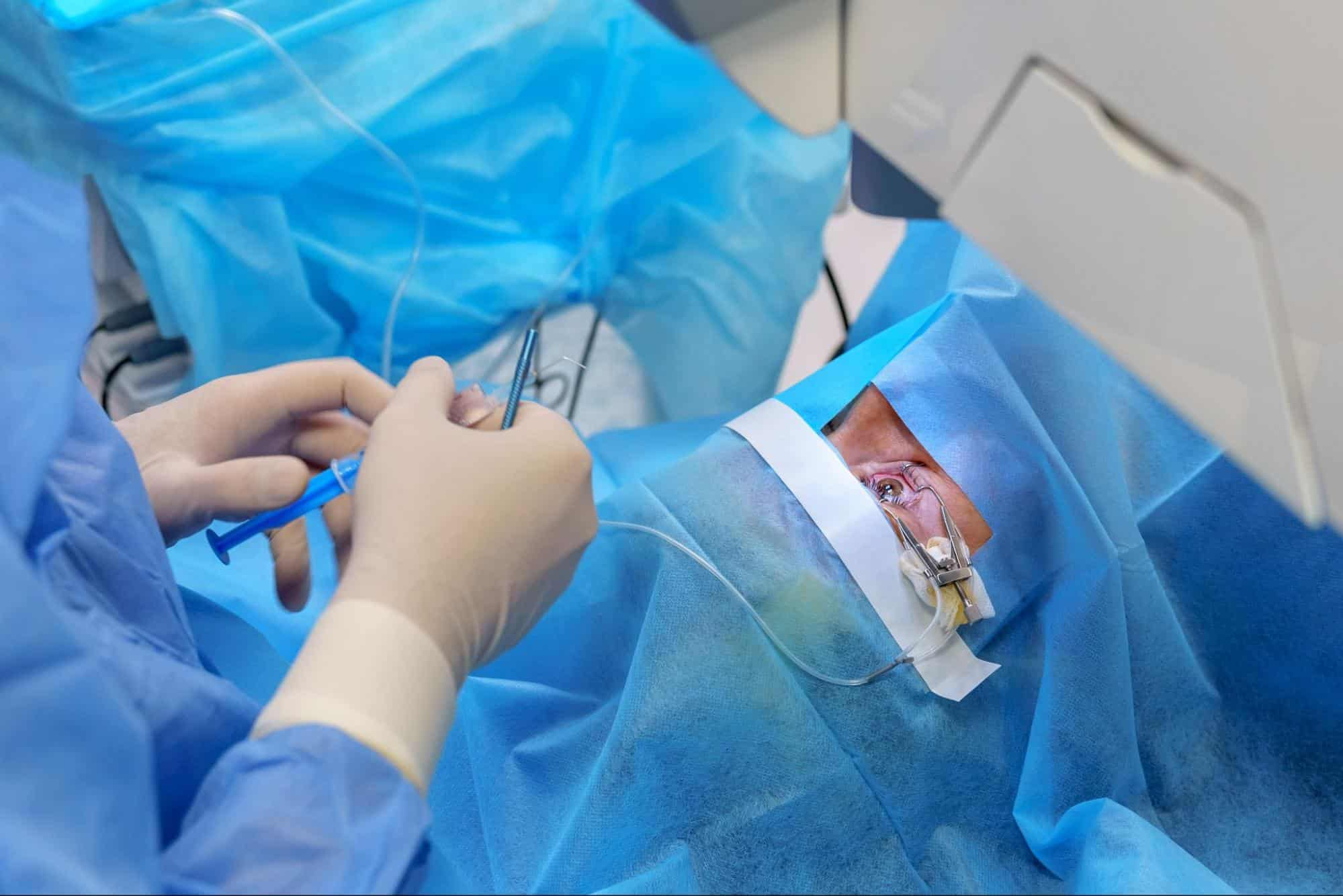
Surgery does not treat amblyopia directly, but it can remove the cause. Eye muscle surgery can straighten misaligned eyes in strabismic amblyopia, while cataract or eyelid surgery can clear a blocked line of sight in deprivation amblyopia. After surgery, glasses, patching, or drops are usually still needed to improve vision in the weaker eye.
Amblyopia treatment works best in early childhood, usually before about age 7, when the visual system changes most easily. Treatment can still help older children, and many improve into their early teens, especially if they have never been treated before.
For adults, results are more varied. The adult brain keeps some ability to adapt, and research on perceptual learning and binocular (dichoptic) training has shown modest gains in visual acuity and depth perception for some patients. Anisometropic amblyopia treatment in adults usually starts with the correct glasses or contact lenses, followed by vision therapy or binocular training. Improvement tends to be smaller and slower than in children, and fully normal vision is uncommon.
Some adults with a large difference in prescription between the eyes ask about refractive surgery such as LASIK, SMILE Pro, or PRK. These procedures can reduce the need for glasses, but on their own they do not restore vision lost to amblyopia. An eye specialist can assess whether surgery or therapy is suitable for your eyes.
Amblyopia is a common cause of reduced vision in children, and it often has no obvious signs. It can result from misaligned eyes, unequal or high prescriptions, or anything that blocks vision, and it is not the same as strabismus, although the two often occur together. Early diagnosis makes a large difference: glasses, eye patching, and atropine eye drops work best in young children, and digital binocular therapy may be added in some cases. Adults may still gain some improvement with targeted treatment.
If you notice signs of amblyopia in your child, or you have lived with a lazy eye and want to know your options, the eye specialists at Samitivej Chinatown can check your vision and recommend a treatment plan that suits you.
Can amblyopia be fully corrected?
In many children, yes. When treatment starts early and is followed consistently, vision in the weaker eye can improve to normal or near-normal levels. In older children and adults, treatment usually improves vision but may not correct it fully, and amblyopia returns in about 1 in 4 children after treatment stops, so follow-up visits matter even when vision looks normal.
Does amblyopia get worse with age or go away on its own?
Amblyopia does not go away on its own. If it is not treated in childhood, the vision loss usually becomes permanent, although it does not normally keep getting worse in adulthood. The main risk is injury or disease in the healthy eye later in life, which would leave only the weaker eye.
Is amblyopia brain damage?
No. Amblyopia is not caused by a brain injury or brain disease. It is a developmental problem in which the visual system did not learn to process images from one eye normally, because that eye sent a blurry or misaligned image during early childhood. This is why treatment aims to retrain the brain to use the weaker eye.
Can amblyopia affect both eyes at the same time?
Yes, although it is less common. Bilateral amblyopia can develop when both eyes have high, uncorrected prescriptions (isometropic amblyopia) or when vision in both eyes is blocked, for example by cataracts in both eyes.
How long does amblyopia treatment take to show results?
Many children show improvement within a few weeks to a few months of starting glasses, patching, or drops. Amblyopia treatment often continues for several months to a year or more, and regular follow-up is needed afterward because amblyopia can come back.