Keratitis and Eye Health : Symptoms, Diagnosis, and Treatment
Article by: seoteam seoteam Last updated: 11 June 2026
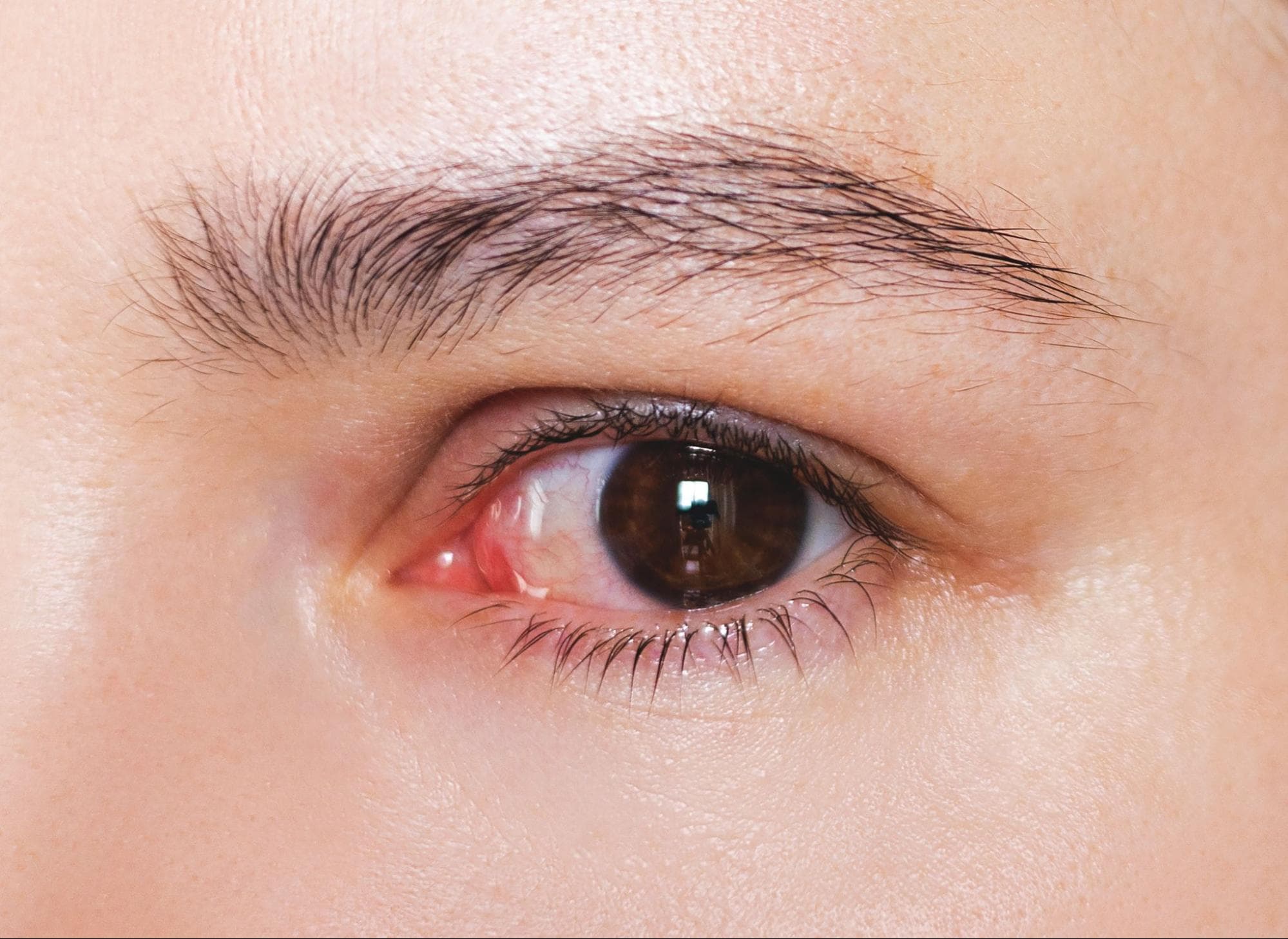
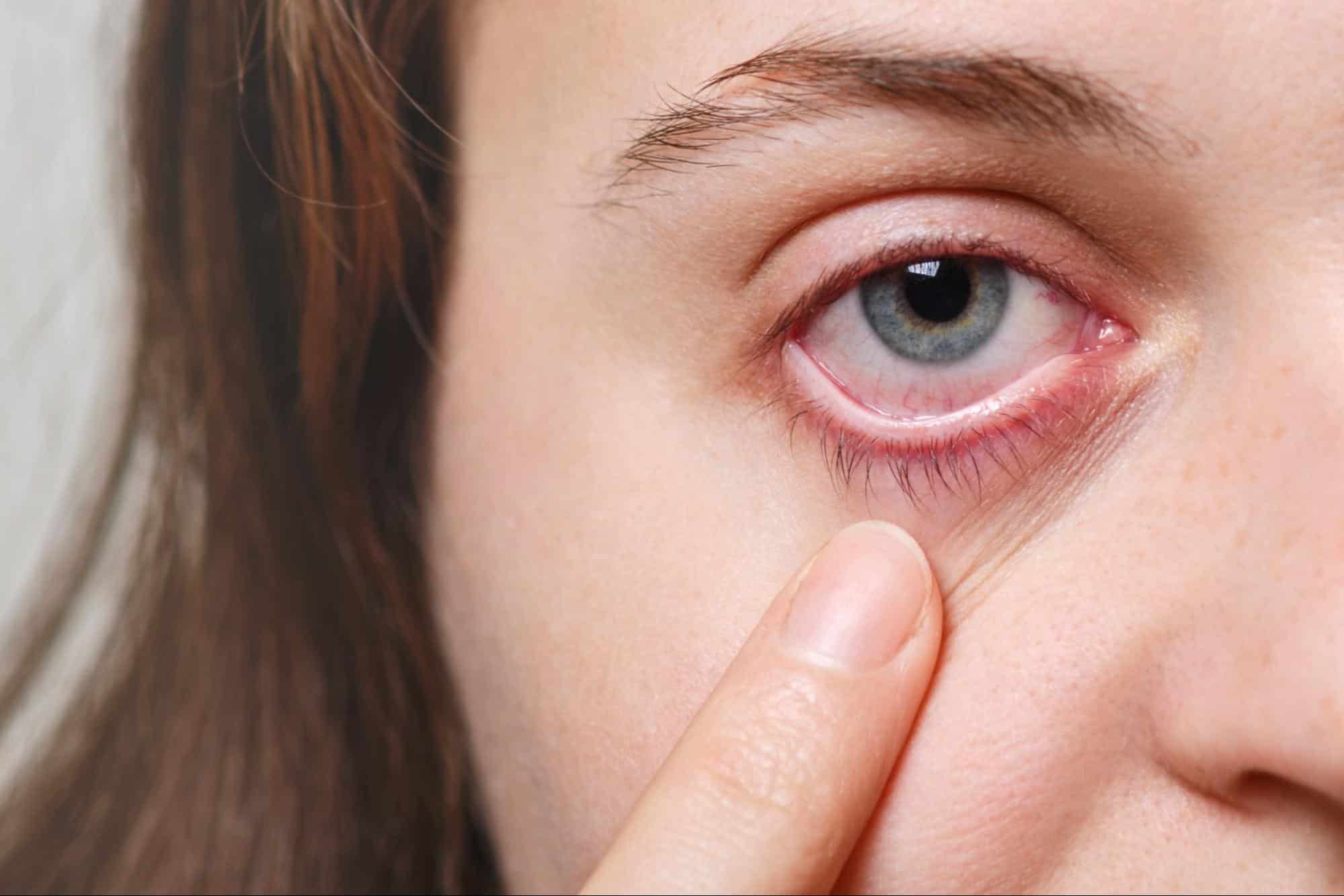
Keratitis is an inflammation of the cornea that can cause eye redness, pain, blurry vision, and sensitivity to light. It may develop from infections, eye injuries, contact lens use, or underlying eye conditions, and in some cases, symptoms can become serious if left untreated. In this article, we’ll walk you through the common symptoms, causes, diagnosis process, and treatment options for keratitis, along with simple ways to help protect your long-term eye health.
Key Takeaway
- Keratitis is an inflammation of the cornea that can cause eye pain, redness, blurred vision, and light sensitivity.
- It may be caused by infections, contact lens misuse, eye injuries, dry eyes, or exposure to irritants.
- Common symptoms include redness, discomfort, watery eyes, a gritty sensation, and vision changes.
- Diagnosis involves an eye exam, symptom review, and tests such as slit-lamp examination and fluorescein dye.
- Treatment depends on the cause and may include medicated eye drops and proper eye care, with early treatment helping protect vision.
Table of Contents
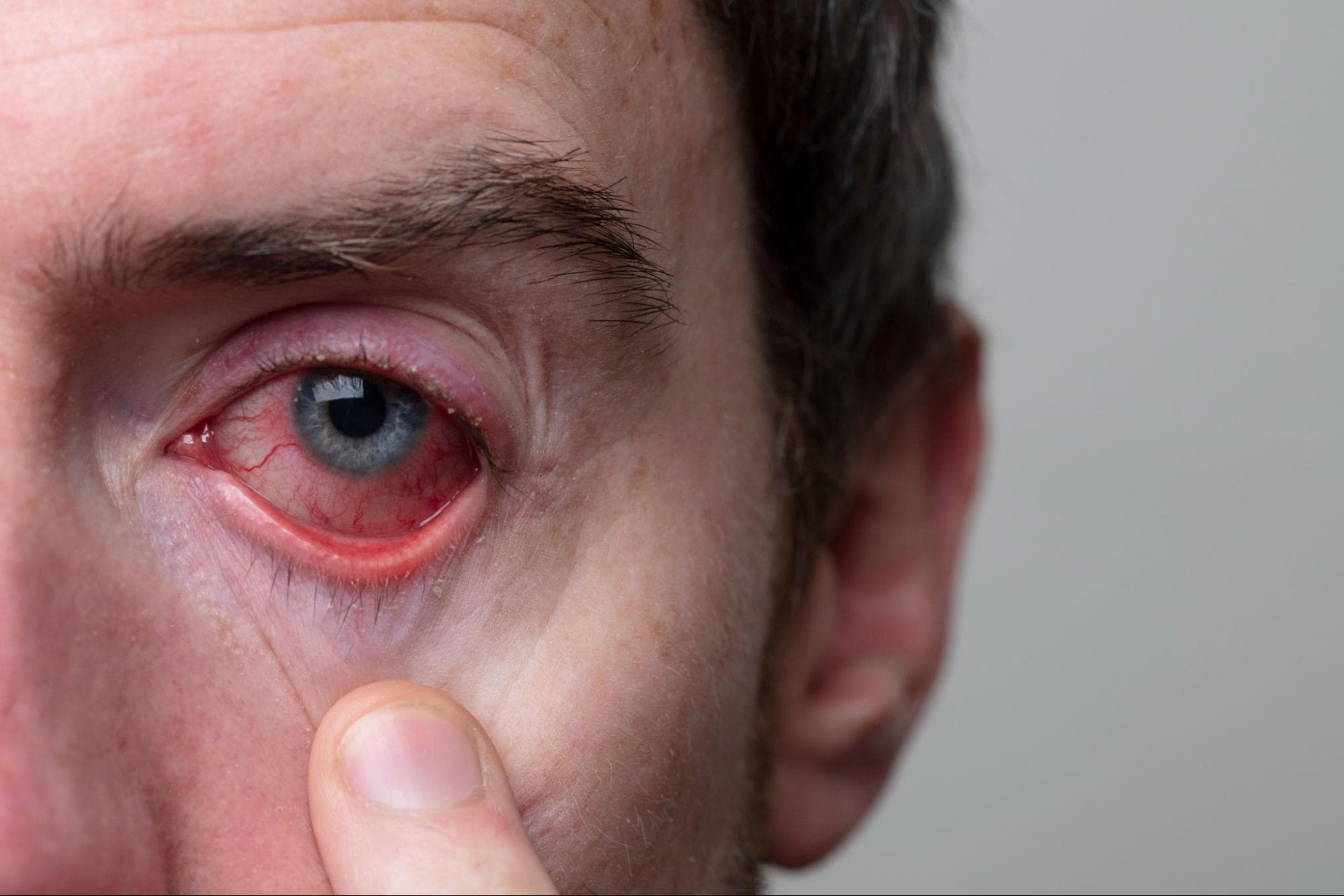
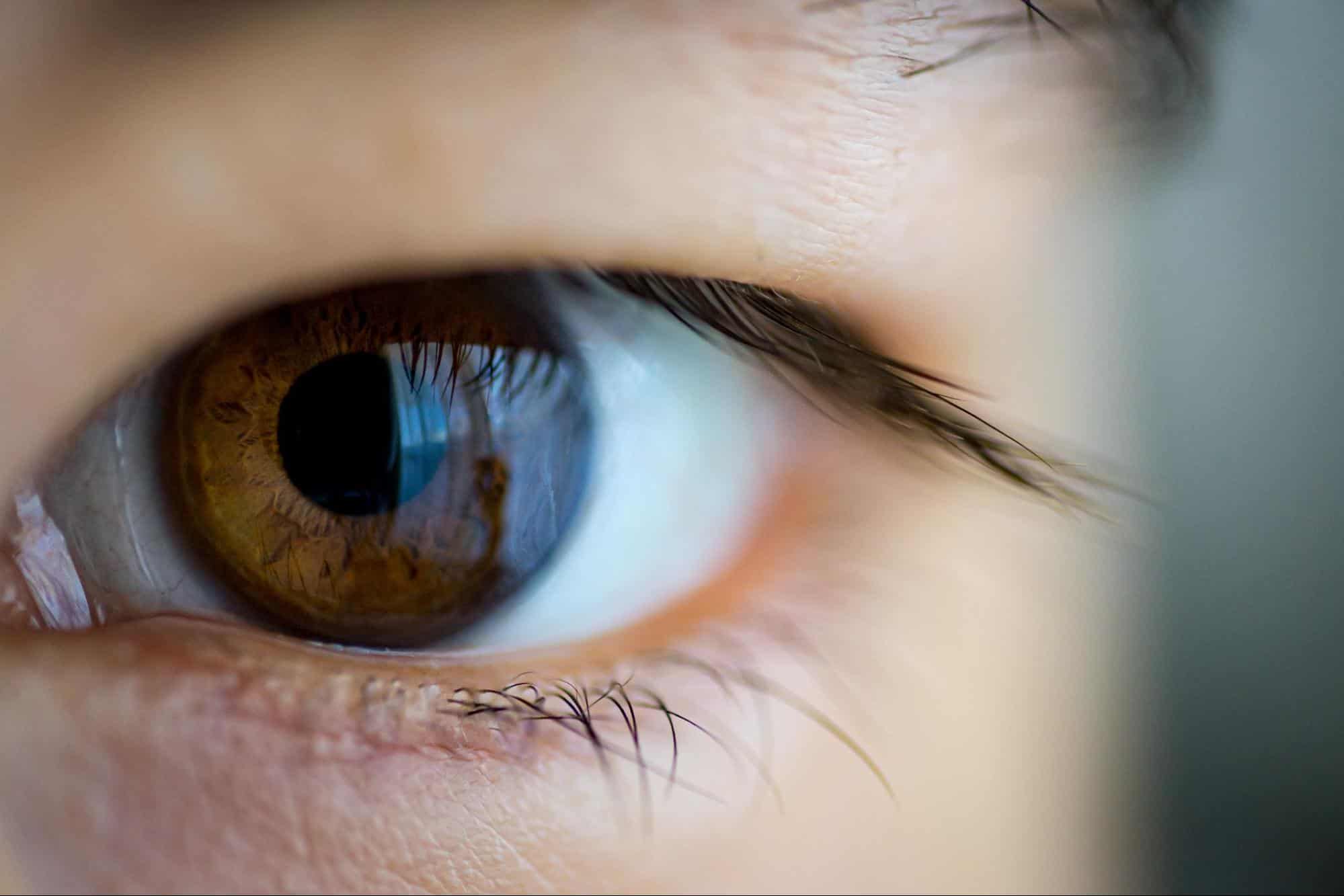
Keratitis is an inflammation of the cornea, which is the clear, dome-shaped surface at the front of your eye. When the cornea becomes irritated or inflamed, it can affect how clearly you see and make your eyes feel uncomfortable. People with keratitis may notice symptoms like eye redness, pain, watery eyes, blurred vision, or sensitivity to light. It can happen for several reasons, such as eye infections, minor injuries, wearing contact lenses for too long, or exposure to irritants like dust or chemicals.
While some cases are mild and improve with treatment, others can become more serious if left untreated. That’s why getting the right diagnosis and care early is important for protecting your vision and overall eye health.
Keratitis can show up in different ways depending on the cause and severity, but most symptoms affect how your eye feels and sees during the day. Here are the most common signs to look out for
- Eye redness that doesn’t go away easily
- Eye pain or discomfort, ranging from mild irritation to sharp pain
- Blurred or decreased vision that affects clarity
- Excessive tearing or watery eyes
- Sensitivity to light (photophobia), making bright environments uncomfortable
- A gritty or foreign body sensation, like something is stuck in your eye
- Eye discharge in some cases, especially if infection is involved
- Difficulty opening the eye due to pain or irritation
If these symptoms appear or worsen, it’s important to have your eyes checked by a specialist to get the right diagnosis and treatment early.

Keratitis can develop for several reasons, and understanding the cause can help you prevent it and seek the right treatment early. Here are the most common causes
- Eye infections (bacterial, viral, fungal, or parasitic) that affect the cornea
- Contact lens overuse or poor hygiene, such as wearing lenses too long or not cleaning them properly
- Eye injuries or scratches, which can allow germs to enter the cornea
- Dry eyes, which make the cornea more vulnerable to irritation and infection
- Exposure to irritants, such as dust, smoke, chemicals, or foreign particles
- Weakened immune system, which increases the risk of eye infections
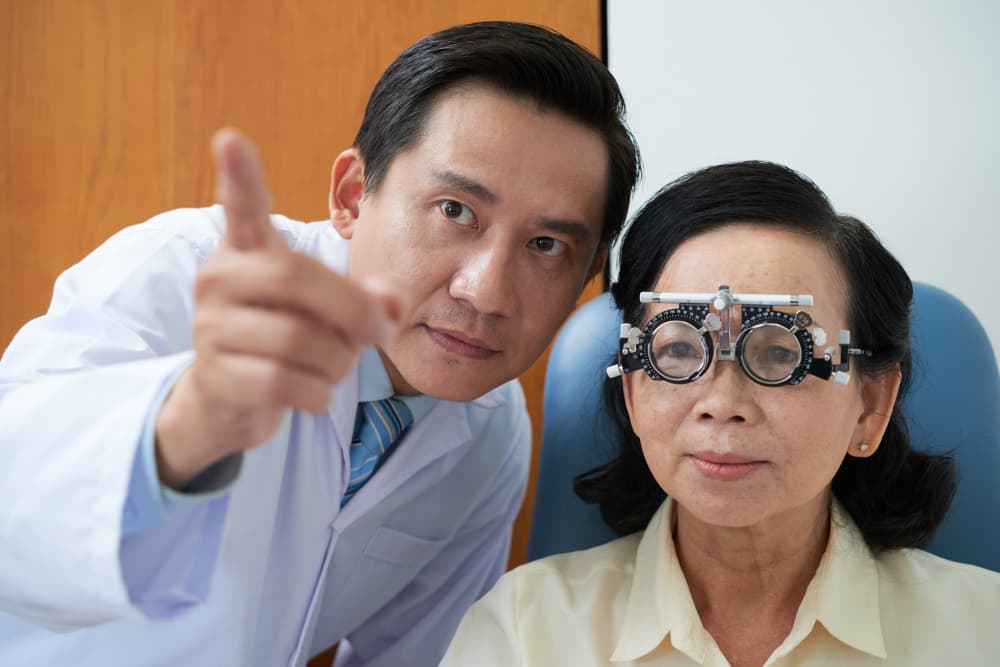
If you have symptoms like eye pain, redness, or blurred vision, an eye doctor can check whether it’s keratitis and what might be causing it. The diagnosis is usually straightforward and focused on examining your eye health in detail.
- Symptom review : The doctor will ask about your symptoms, when they started, and any possible triggers like contact lens use or eye injury
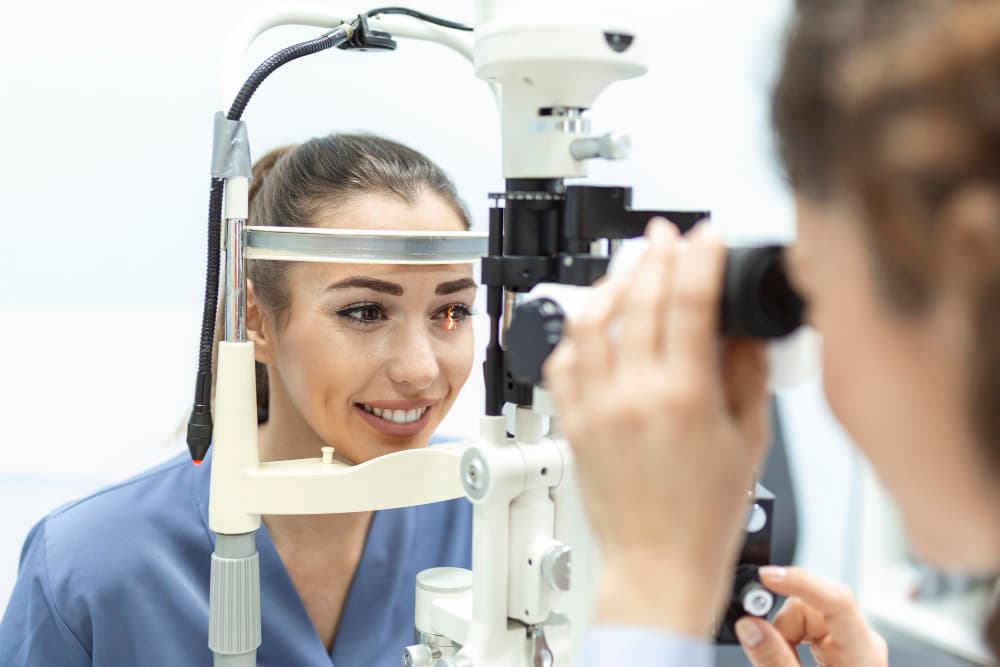
- Eye examination : A close look at your eye using a special light (slit lamp) helps detect inflammation or damage on the cornea
- Fluorescein dye test : A safe eye drop dye may be used to highlight scratches, ulcers, or affected areas on the cornea
- Contact lens or sample testing (if needed) : In some cases, samples from the eye or contact lenses may be tested to identify infection

Treatment for keratitis depends on what’s causing it and how severe it is. The goal is to reduce inflammation, treat the underlying cause, and protect your vision.
- Antibiotic eye drops or ointments : Used if the keratitis is caused by a bacterial infection
- Antiviral medication : Prescribed when a virus, such as herpes, is the cause
- Antifungal treatment : Needed for fungal-related infections
- Lubricating eye drops (artificial tears) : Help soothe irritation and keep the eye comfortable
- Stopping contact lens use : Temporarily avoiding lenses to allow the cornea to heal
- Pain relief medication : May be recommended to reduce discomfort
- Specialist care or follow-up treatment : In more serious cases, close monitoring by an eye doctor is required
Keratitis can often be prevented with simple daily habits that help protect your eyes from infection, injury, and irritation. Here are some easy ways to reduce your risk:
- Practice good contact lens hygiene : Always clean and store lenses properly, and avoid wearing them longer than recommended
- Avoid sleeping in contact lenses : Unless specifically approved by your eye doctor
- Wash your hands regularly : Especially before touching your eyes or lenses
- Protect your eyes from injury : Wear protective eyewear when needed, especially in dusty or risky environments
- Avoid rubbing your eyes : This can introduce bacteria or worsen irritation
- Keep eyes hydrated : Use artificial tears if your eyes feel dry or irritated
- Avoid exposure to irritants : Such as smoke, dust, or harsh chemicals whenever possible
- Get regular eye check-ups : Early detection helps prevent more serious eye problems
If you start experiencing symptoms like eye pain, redness, blurred vision, or sensitivity to light, it’s a good idea to get your eyes checked. Even if the symptoms seem mild at first, keratitis can sometimes get worse quickly without proper treatment.
You should see a doctor as soon as possible if your symptoms don’t improve within a day or two, or if they get worse over time. Early diagnosis and treatment can help protect your vision and prevent more serious complications.
Keratitis is an inflammation of the cornea that can cause eye pain, redness, blurred vision, and light sensitivity. Throughout this article, we explored its main symptoms, causes, diagnosis methods, treatment options, and prevention tips. While the condition can range from mild to more serious, early detection and proper care are important to protect your vision and support healthy recovery.
If you’re experiencing ongoing eye discomfort or changes in vision, getting a proper eye examination can help identify underlying issues early. At Samitivej Chinatown, patients can access comprehensive eye care services, including evaluation and treatment for conditions such as Cataract, vision correction for Myopia, and management of Hyperopia, all supported by experienced eye specialists and advanced diagnostic technology.
Is keratitis serious?
It can be mild in some cases, but keratitis can become serious if left untreated, especially if it affects vision or is caused by infection.
How long does keratitis take to heal?
Recovery time depends on the cause and severity. Mild cases may improve within a few days, while more serious infections may take longer and require ongoing treatment.
Can keratitis affect vision permanently?
If left untreated, severe keratitis can damage the cornea and affect vision long-term. Early diagnosis and treatment help reduce this risk.
Is keratitis contagious?
Some types of keratitis caused by infections can be contagious, especially viral or bacterial forms, so good hygiene is important.