Hyperopia (Farsightedness): What It Is, Symptoms & Treatment
Article by: Last updated: 14 October 2026

Hyperopia, more commonly known as farsightedness, is one of the most widespread refractive errors affecting vision worldwide. If you find yourself squinting at your phone, holding books at arm's length, or getting headaches after reading, there's a good chance hyperopia might be behind it.
Hyperopia affects people of all ages, including children, and can range from mild to severe. The good news is that it's highly manageable, with the right diagnosis and treatment, most people with farsightedness enjoy excellent vision quality.
Key Takeaway
- Hyperopia, also known as farsightedness, occurs when the eye is too short or the cornea is too flat, causing nearby objects to appear blurry.
- Watching out for eye strain, frequent headaches, and the need to squint or hold reading materials at a distance to see clearly.
- Vision can be easily corrected using prescription glasses, contact lenses, or advanced laser eye surgeries like Femto LASIK and SMILE Pro.
- Unlike age-related vision loss, hyperopia is often hereditary and can affect people of all ages, including young children.
Table of Contents
Hyperopia, more commonly known as farsightedness, is one of the most widespread refractive errors affecting vision worldwide. If you find yourself squinting at your phone, holding books at arm's length, or getting headaches after reading, there's a good chance hyperopia might be behind it.
In a perfectly shaped eye, light enters through the cornea and lens and focuses precisely on the retina, the light-sensitive layer at the back of your eye. With hyperopia, the eyeball is slightly too short, or the cornea is not curved enough, causing light to focus behind the retina instead of directly on it.
Hyperopia affects people of all ages, including children, and can range from mild to severe. The good news is that it's highly manageable, with the right diagnosis and treatment, most people with farsightedness enjoy excellent vision quality.

Hyperopia occurs when there's a mismatch between the length of the eye and the focusing power of the cornea and lens. Here's what typically causes that to happen
- Shorter-than-normal eyeball length is the most common culprit. When the eye is too short from front to back, incoming light rays don't have enough distance to converge properly on the retina.
- Insufficient corneal curvature means the front surface of your eye is flatter than ideal, reducing its ability to bend light correctly onto the retina.
- Genetics play a significant role. If one or both of your parents have hyperopia, your chances of developing it are considerably higher. Farsightedness tends to run in families.
- Age is another factor, though this overlaps with a condition called presbyopia. Young children are naturally born slightly farsighted, and many grow out of it as their eyes develop. However, if the farsightedness is significant, early intervention may be needed.
The signs of farsightedness can vary depending on the severity of the condition. Common symptoms include
- Blurry vision when looking at nearby objects
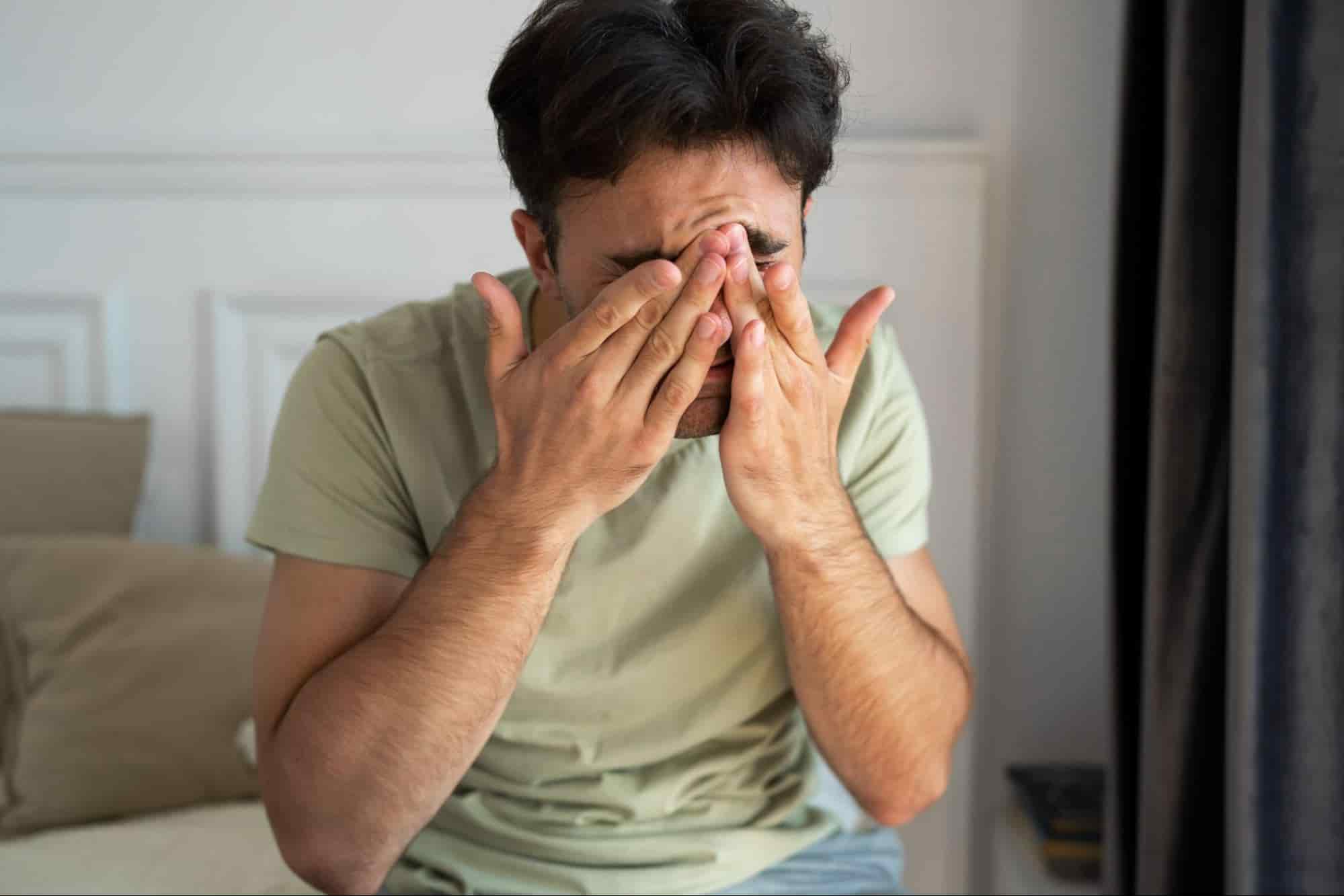
- Eye strain or tired eyes, especially after reading, writing, or screen time
- Frequent headaches, particularly after close-up tasks
- Squinting to try to bring things into focus
- Difficulty concentrating on near work for extended periods
- Aching or burning eyes after sustained visual tasks
- Children may avoid reading or drawing due to discomfort, which can sometimes be mistaken for learning difficulties
If any of these sound familiar, it's a good idea to book a comprehensive eye exam. Many people live with undiagnosed hyperopia for years without realising the impact it's having on their daily life.
Mild hyperopia usually causes manageable vision problems, but moderate to high hyperopia that is not corrected can lead to additional eye conditions, especially in children.
- Amblyopia (lazy eye): Children with hyperopia may have a higher risk of reduced vision in one eye if the condition is not corrected early.
- Strabismus (crossed eyes): Farsightedness can also increase the risk of eye misalignment in some children.
- Ongoing visual discomfort: Blurry vision, eye strain, and headaches may continue if hyperopia remains uncorrected.
Regular eye examinations and appropriate vision correction can help identify and manage these problems early.
You should see an eye doctor whenever you notice changes in your vision, especially if symptoms appear suddenly or begin affecting everyday activities.
- Sudden vision changes: Seek medical attention right away if your eyesight suddenly worsens, or if you have severe eye pain with a red eye, headache, nausea, or vomiting. These can be signs of an emergency eye condition.
- Persistent blurry near vision: An eye exam can help confirm whether hyperopia is causing difficulty with reading or close-up tasks.
- Frequent eye strain or headaches: Ongoing discomfort may indicate that your vision needs assessment or correction.
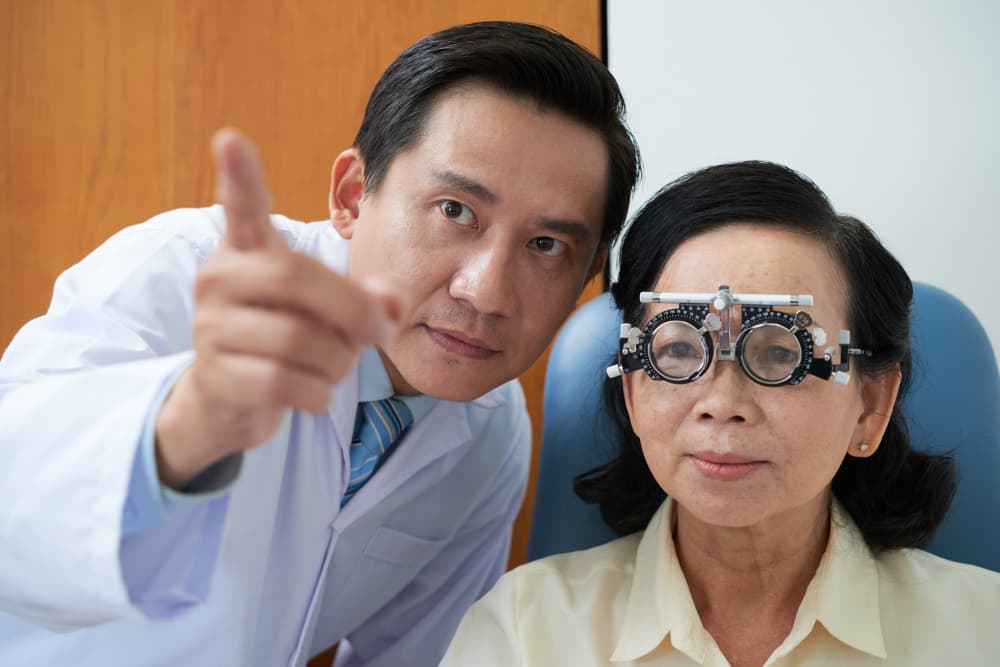
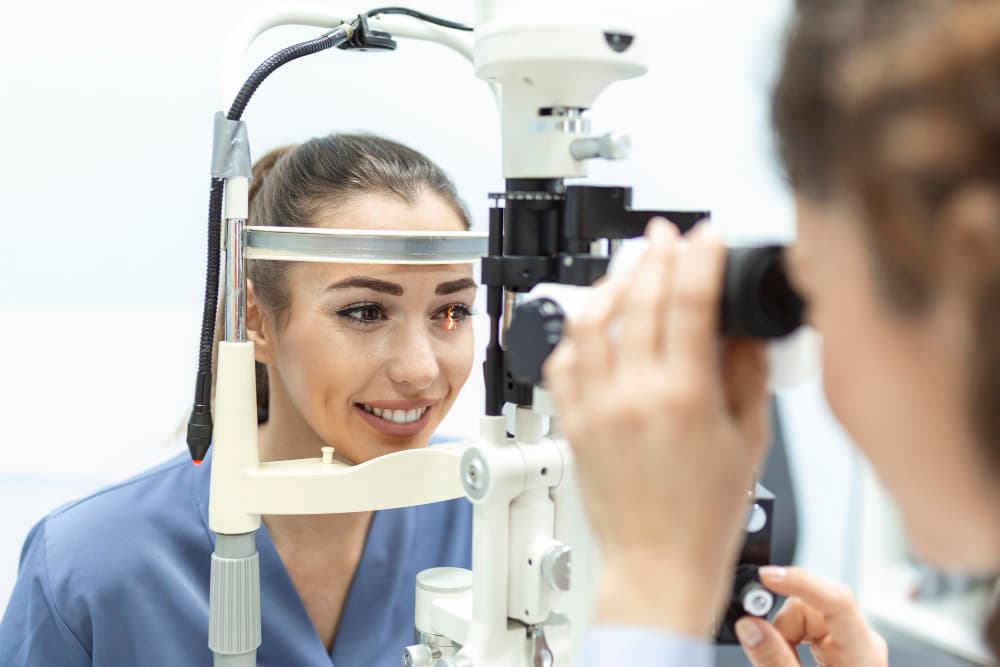
A simple vision screening isn't always enough to catch farsightedness, especially in younger patients whose eyes can "force" focus. A comprehensive eye exam at Samitivej Chinatown includes
- Visual Acuity Test: Reading charts at various distances.
- Refraction Assessment: Using a phoropter to determine your exact prescription.
- Dilated Eye Exam: Using drops to widen the pupils, allowing our specialists to examine the internal structure of your eye thoroughly.

The goal of treatment is to help the eye focus light correctly on the retina. Depending on your lifestyle and the degree of farsightedness, we offer several paths
Eyeglasses
The simplest and most common way to correct vision. Lenses for hyperopia are “plus” lenses (convex), which are thicker in the center to help bend light inward.
Contact Lenses
For those who prefer an active lifestyle without frames, contact lenses provide a wider field of view. We offer various options, including those that can correct astigmatism if you have multiple refractive errors.
Surgery
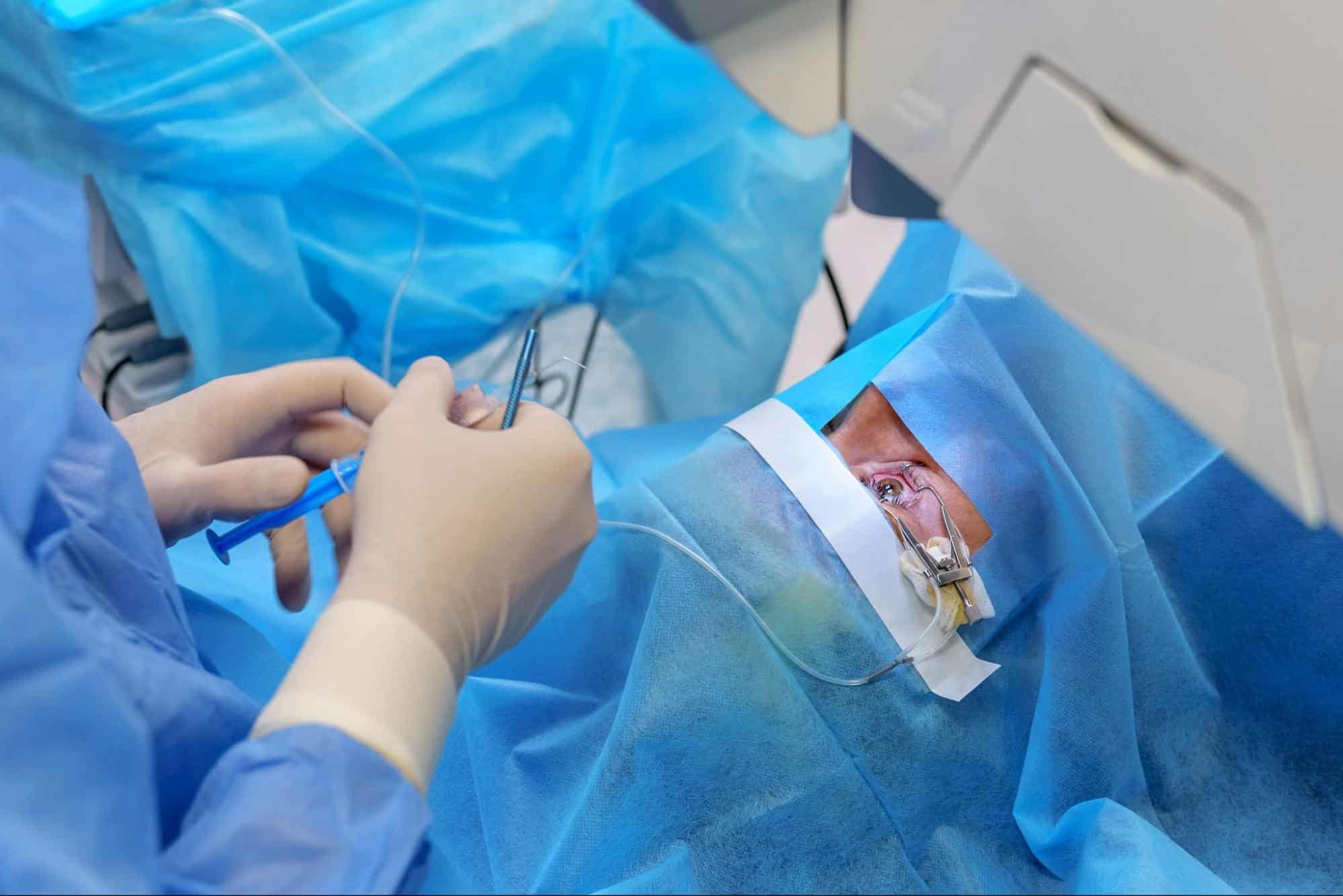
If you are looking for a more permanent solution to reduce your dependence on glasses, refractive surgery is a fantastic option. Modern technology allows us to reshape the cornea with incredible precision. Options include
- LASIK: One of the world's most popular refractive surgeries. LASIK uses an excimer laser to reshape the cornea after creating a thin flap. Recovery is quick and most patients notice improved vision within 24 hours.
- Femto LASIK: A bladeless, laser-assisted procedure that creates a precise corneal flap before reshaping the underlying tissue. It's known for its fast recovery and minimal discomfort, and can be used to treat hyperopia along with myopia and astigmatism.
- SMILE Pro: A minimally invasive, flapless laser procedure that removes a small piece of corneal tissue through a tiny incision. It preserves more of the corneal structure and is an excellent option for those with dry eye concerns.
- PRK: An older but still highly effective laser procedure where the surface layer of the cornea is gently removed before laser reshaping. Recovery takes a little longer than LASIK, but PRK is often recommended for patients with thinner corneas.
While you cannot prevent the structural shape of your eye (which is determined by genetics), you can protect your visual health by
- Schedule regular eye exams: at least once every one to two years, or as recommended by your doctor. Early detection makes treatment easier and more effective.
- Take breaks during near work: use the 20-20-20 rule: every 20 minutes, look at something 20 feet away for at least 20 seconds to reduce eye strain.
- Good lighting: Ensure good lighting when reading or doing close-up tasks. Poor lighting forces your eyes to work harder.
- Diet: Eat a balanced diet rich in eye-friendly nutrients like lutein, zeaxanthin, vitamins C and E, and omega-3 fatty acids.
- Protect your eyes: Protect from UV exposure by wearing quality sunglasses outdoors.
- Don't ignore symptoms: if you notice changes in your vision, see a specialist promptly rather than waiting.
Hyperopia or farsightedness is an incredibly common condition, but that doesn't mean you have to simply put up with blurry near vision, eye strain, or persistent headaches. Whether you prefer the simplicity of glasses, the freedom of contact lenses, or the life-changing results of laser eye surgery, there are more options than ever before to help you see the world with clarity and confidence.
If you think you might be experiencing symptoms of hyperopia, the best first step is always a comprehensive eye exam. The team at Samitivej Chinatown is here to guide you through every stage, from diagnosis to the treatment plan that fits your eyes, your lifestyle, and your goals.
Is Hyperopia the same as presbyopia?
Not quite. While both involve difficulty seeing up close, hyperopia is related to the shape of the eye. Presbyopia is an age-related condition (usually starting after 40) where the eye's natural lens loses flexibility.
Can children outgrow farsightedness?
Yes, many children are born slightly farsighted. As the eyeball grows and lengthens, the condition frequently corrects itself naturally.
Do I need to wear glasses all the time if I have hyperopia?
It depends on the severity. Some people only need glasses for “near” tasks like reading or sewing, while others with significant hyperopia may need them for distance vision as well.
Reference
- Hyperopia (Farsightedness). (2026, August 8). Cleveland Clinic. https://my.clevelandclinic.org/health/diseases/hyperopia-farsightedness
- Daniel Porter, Arjan S Hura, MD. (2025, July 25). Farsightedness: What Is Hyperopia?. American Academy of Ophthalmology. https://www.aao.org/eye-health/diseases/hyperopia-farsightedness
- What is hyperopia (farsightedness)?. (n.d.). University of Michigan. https://www.uofmhealth.org/our-care/specialties-services/hyperopia-farsightedness
Thanapong Somkitrungroj, M.D.
Phatthicha Phinyosawatkul, M.D.
Chayanee Pothiwongsajarn, M.D.
Chunhakan Petchphansri, M.D.
Associate Professor Wannarat Satitpitakul, M.D.