Understanding Cataract’s Causes, Symptoms, Treatment and Prevention
Article by: Last updated: 14 October 2026
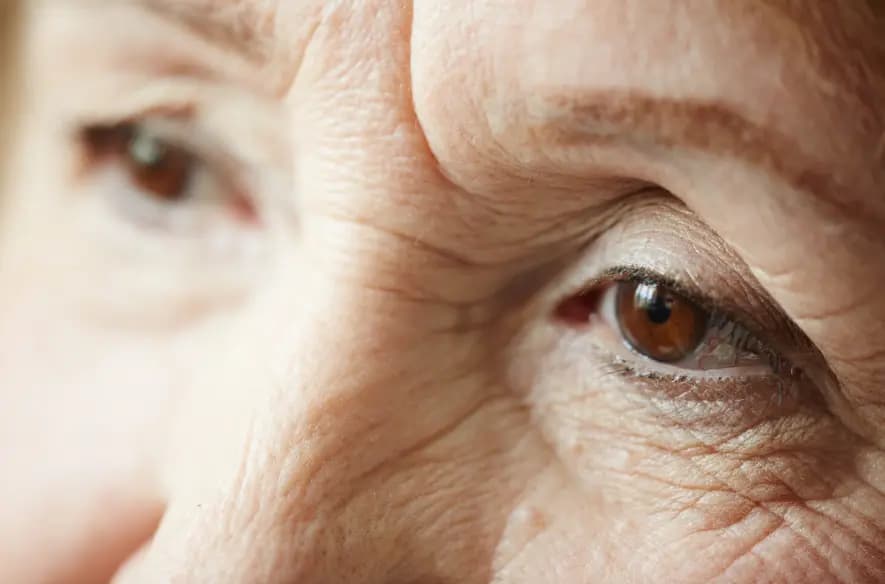
The development of a cataract is one of the most common yet significant challenges to our sight as we age. It is a condition that can slowly dim the vibrancy of your daily experiences if left unaddressed. We are here to guide you through every step of understanding, preventing, and treating this condition with the warmth and expertise you deserve.
Highlight
- Cataracts, a common age-related condition, cause the eye's natural lens to become cloudy, diminishing vision.
- Risk factors of cataracts include aging, diabetes, UV exposure, smoking, and long-term steroid use.
- The only definitive treatment is surgery, such as Phacoemulsification, which replaces the cloudy lens with a clear Intraocular Lens (IOL).
- Cataract prevention involves wearing UV-blocking sunglasses, maintaining a healthy diet, and managing underlying health conditions.
- Timely consultation and treatment at Samitivej Chinatown can restore clarity and significantly improve your quality of life.
Table of Contents
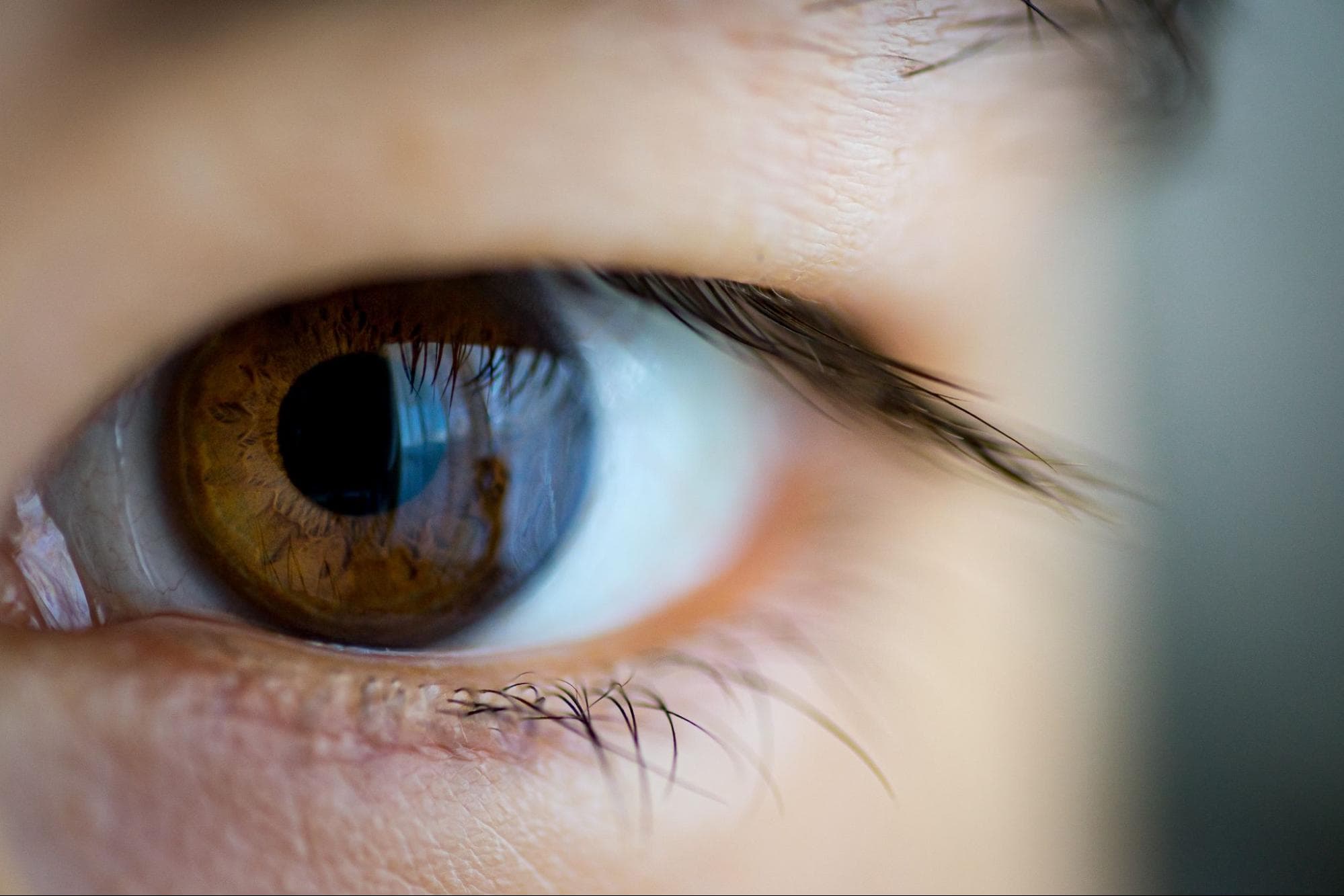
A cataract is a common eye condition characterized by the clouding of the eye's natural lens, which is normally clear to allow light to pass through to the retina. This clouding occurs because the protein structures within the lens begin to change and clump together, causing the lens to become hard and opaque rather than remaining flexible and transparent.
A cataract typically develops slowly over several years and is a leading cause of vision impairment among older adults, often affecting both eyes, though the severity may differ between them.
Cataracts can develop in different areas of the eye’s natural lens, and the location of the clouding can affect the type of vision problems experienced. The main types of cataracts include:
- Nuclear Cataract: Develops in the center (nucleus) of the lens, often causing blurred distance vision and gradual yellowing or browning of colors.
- Cortical Cataract: Forms in the outer layer (cortex) of the lens and may cause glare, especially in bright light. It usually progresses slowly over time.
- Posterior Subcapsular Cataract: Forms at the back of the lens, right in the path of incoming light. It often causes glare and halos in bright light and difficulty reading, and it may progress faster than other types. It is more common in people with diabetes or long-term steroid use.
- Childhood Cataract: May be present at birth or develop during childhood due to genetic conditions, infections, diseases, or eye injuries.
The most prevalent cause of a cataract is simply the natural aging process, with the condition most frequently appearing in individuals aged 50 to 60 and older.
Beyond age, several health factors can increase your risk of developing a cataract such as:
- Type 2 diabetes
- High blood pressure
- Thyroid issues
- Obesity
- Family history of cataracts
- Previous eye injuries and surgeries
External factors and lifestyle choices also play a significant role in the acceleration of lens clouding:
- Prolonged exposure to intense ultraviolet (UV) light from the sun without protective eyewear
- Exposure to bright light from welding
- Excessive mobile phone use at night
- Habitual smoking
- Heavy alcohol consumption
- Long-term use of certain medications, particularly steroids
Age-related cataracts usually begin to form from around age 40 to 50, but most people only notice symptoms after about age 60. The risk rises with age, and in the US more than half of people have had a cataract or cataract surgery by age 80. Cataracts can also develop earlier, including in infants (congenital cataract) and younger adults, especially in people with diabetes, long-term steroid use, a previous eye injury or eye surgery, or a family history of cataracts.

Cataracts usually develop gradually over time, and the symptoms may vary depending on the stage and severity. Early detection helps ensure timely monitoring and appropriate treatment.
Early Stage
In the early stage, cataracts often progress slowly and may not significantly affect daily activities. Common symptoms include blurred vision, increased sensitivity to light, seeing halos around lights, faded colors, difficulty distinguishing colors, double vision in one eye, and frequent changes in glasses or contact lens prescriptions. Because these symptoms can also be caused by other eye conditions, an eye examination is needed to confirm the cause.
Late or Advanced Stage
As cataracts become more advanced, vision problems may become more noticeable and interfere with daily routines. Symptoms can include increasingly cloudy or blurry vision, difficulty seeing in low light, trouble reading, glare in bright environments, a visible white spot in the pupil, and significant vision loss if left untreated.
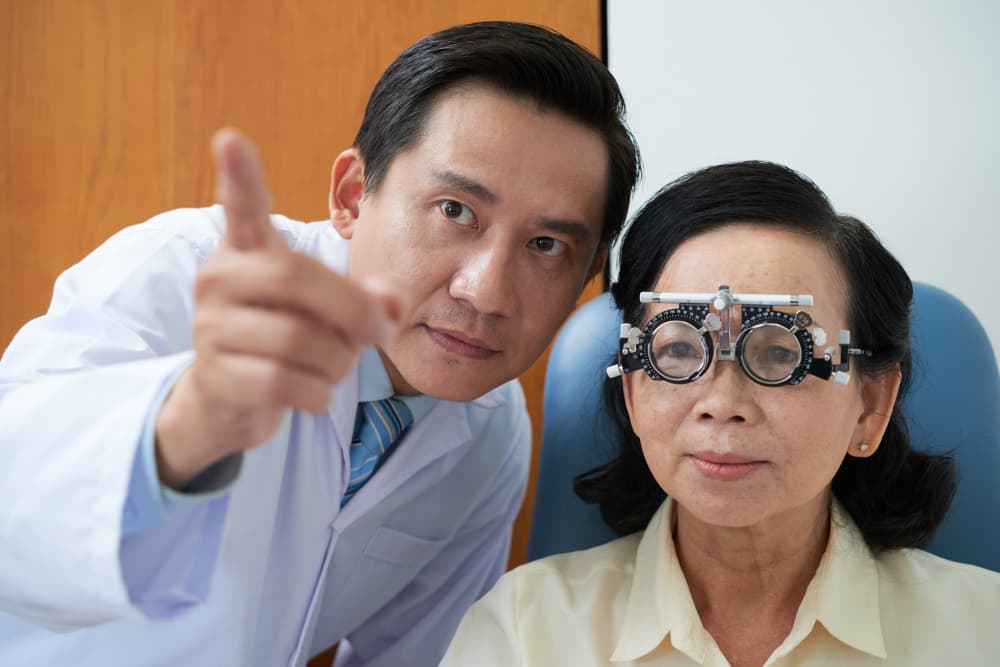
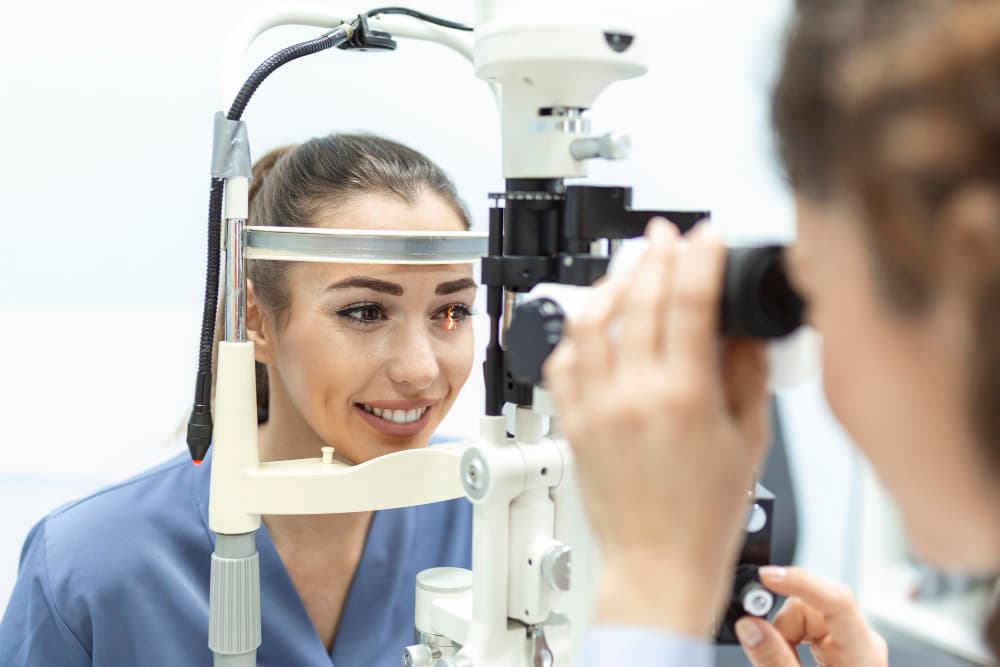
If cataracts are suspected, an ophthalmologist will perform a comprehensive eye examination to confirm the diagnosis and evaluate the severity of lens clouding. Common tests include visual acuity testing, a slit-lamp examination (a microscope with a bright light that shows the location, type, and density of the clouding in the lens), eye pressure measurement, and a dilated eye exam to check the retina and optic nerve.
Additional tests, such as Optical Coherence Tomography (OCT) or visual field examinations, may be recommended to identify other eye conditions and determine whether vision problems are caused by cataracts or other factors.
Cataract surgery is considered when the condition significantly affects vision or daily activities. An ophthalmologist will evaluate the severity of cataracts and determine the appropriate timing for treatment.
- Vision problems interfere with daily life, such as difficulty reading, driving, or recognizing faces, and glasses can no longer give you clear enough vision.
- Cataracts become advanced and may increase the risk of other eye problems, such as glaucoma.
- Cataracts prevent proper examination or treatment of the retina, especially in patients requiring monitoring for conditions like diabetic retinopathy.
Surgery
- Extracapsular Cataract Extraction
Extracapsular Cataract Extraction is a traditional method which involves a slightly larger incision (about 6 to 10 mm) to remove the hardened center of the lens in one piece. This technique is often reserved for very advanced or "ripe" cataracts where the lens has become too hard for other methods. While it is highly effective, it generally requires a longer recovery period and stitches.
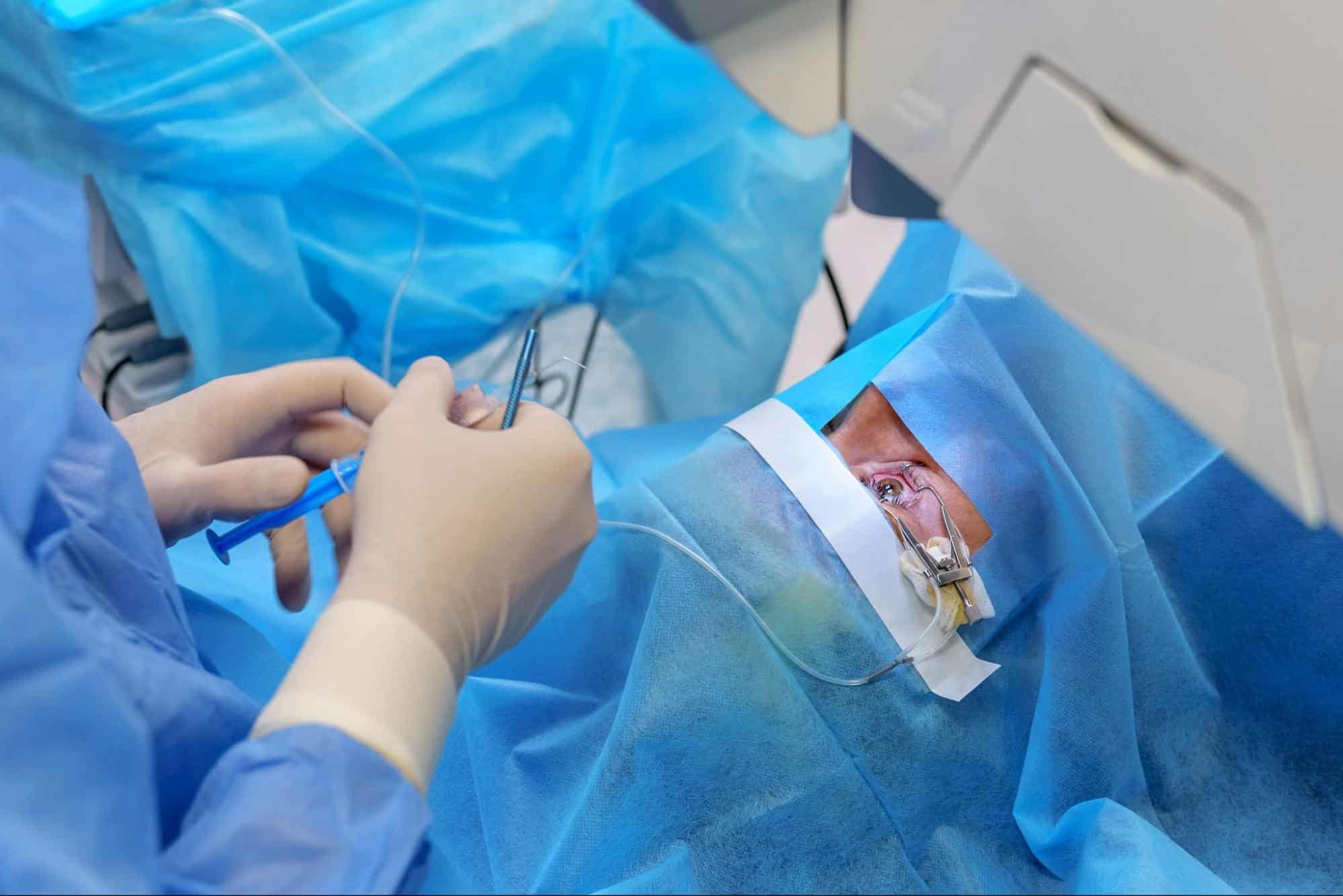
Phacoemulsification, or phaco is the most modern and widely used technique today. which uses ultrasound waves to break the cloudy lens into tiny fragments that are then gently vacuumed out through a much smaller incision of only about 3 mm. This cataract surgery is known for its rapid recovery. Many patients notice clearer vision within a day or two and can return to light daily activities within a few days, although vision usually takes about 2 to 3 weeks to stabilize.
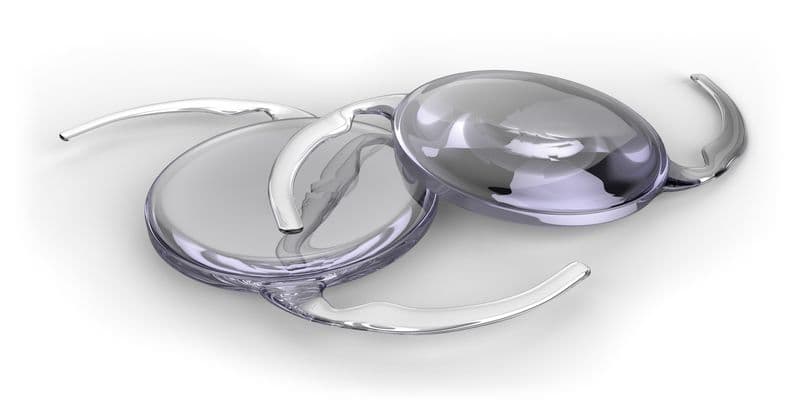
During these surgeries, the surgeon inserts IOLs (Intraocular Lenses), which are permanent artificial lenses designed to stay in your eye for life. These lenses can be customized to correct other vision issues you may have, such as nearsightedness, farsightedness, or astigmatism.
Non Surgery
In the very early stages of a cataract, surgery may not be immediately necessary if the symptoms are mild and do not significantly impact your daily routines.
- Use stronger prescription glasses or bifocals, especially for reading.
- Increase the brightness of lighting in your home and workspace to improve clarity and reduce eye strain.
- Regular check-ups are essential so that your specialist can advise you on the optimal time for surgery before the lens becomes too hard or complications arise.
These measures help maintain independence while your eye doctor monitors the condition.
Cataract surgery is usually elective, so mild cataracts can be monitored while your vision is still good enough for daily life. However, cataracts generally keep progressing, and once they start to limit everyday activities, waiting longer rarely brings any benefit. Over time, untreated cataracts can lead to the following problems
- Daily activities become difficult due to blurred or cloudy vision, increasing the risk of accidents.
- The lens becomes harder over time, which may make cataract surgery more complex.
- Advanced cataracts may cause other eye complications, such as increased eye pressure or inflammation.

Aging is the main risk factor and cannot be changed, but protecting your eyes from UV light, not smoking, limiting alcohol, and keeping diabetes well controlled may help delay the onset of cataracts.
- Wear high-quality, UV-blocking sunglasses outdoors.
- Maintain a healthy diet rich in Vitamins A, C, and E, prioritizing whole foods over supplements.
- Make positive lifestyle changes, such as quitting smoking and reducing alcohol.
- Manage underlying conditions like diabetes or high blood pressure.
- Exercise caution with certain medications, especially steroids, and always consult a doctor before using long-term eye drops.
- Schedule regular annual eye examinations for early detection and timely care of cataracts and other eye conditions.
Your vision is a precious gift that allows you to experience the beauty of the world and connect with those around you. Understanding that a cataract is a manageable part of life's journey can take away the fear and empower you to seek the care you need.
At Samitivej Chinatown, we are dedicated to providing a warm, friendly environment where your health is our priority. Whether you are in the early stages of cataract or require advanced surgical intervention, we are here to support you with a neighborly care approach that makes every visit comfortable and reassuring. Don't let cloudy vision hold you back. Reach out to us today and let's work together to bring clarity back to your life.
Contact Samitivej Chinatown:
- Line: @samitivejchinatown
- Tel: 02-118-7893 (Available 24 hours)
How do cataracts affect your life?
Cataracts gradually diminish your quality of life, making everyday tasks difficult and potentially dangerous. Clouded vision impairs activities like reading, cooking, recognizing faces and driving at night. It could eventually lead to sight loss without a proper treatment.
When to see a doctor?
Consult an optician or eye specialist for vision changes like persistent blurring, difficulty with low light, or reduced effectiveness of current glasses. Prompt professional advice is especially important if vision impacts daily activities or causes discomfort in bright light.
Early consultation is crucial for timely monitoring and effective treatment, preventing the cataract from progressing to a harder-to-treat stage.
How do I know if I have cataracts?
The most accurate cataract diagnosis requires a comprehensive eye exam, as early cataract symptoms are often subtle. Suspect a cataract if vision seems foggy or dirty, you see double, colors appear dull, your prescription changes often, you need brighter reading light, or you see halos around lights at night. These signs strongly indicate a need for an eye check.
Reference
- Mayo Clinic Staff. (2026, March 14). Cataracts. Mayo Clinic. https://www.mayoclinic.org/diseases-conditions/cataracts/symptoms-causes/syc-20353790
- Cataracts. (2026, June 8). Cleveland Clinic. https://my.clevelandclinic.org/health/diseases/8589-cataracts-age-related
- What Is a Cataract?. (2026). MiVision Eye Care. https://mivisioneye.com/what-is-a-cataract/