Cataract Surgery: Definition, Preparation, Aftercare & Costs
Article by: Last updated: 10 October 2026
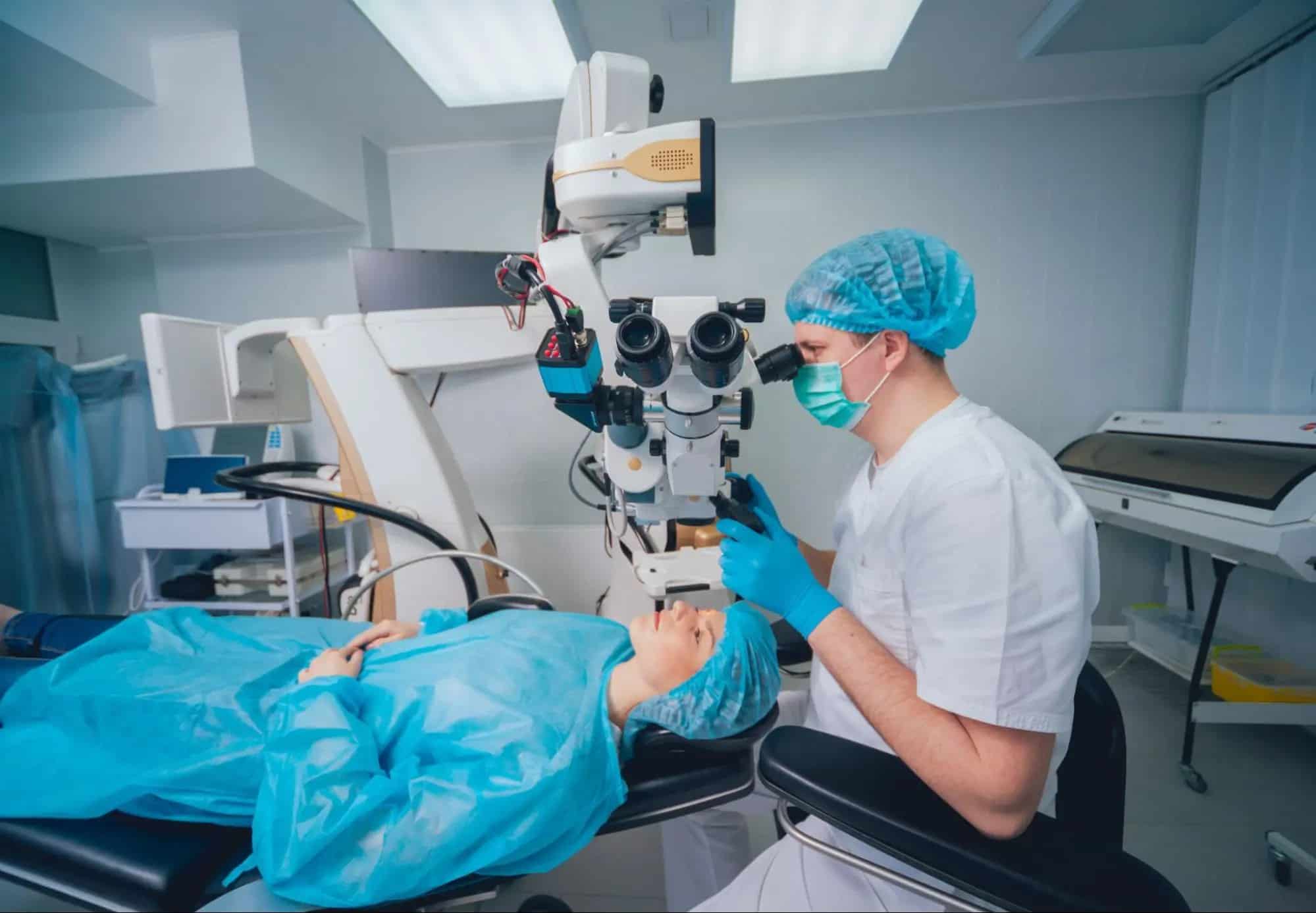
Cataract surgery is a safe, routine procedure designed to replace a cloudy natural lens with a high-quality artificial intraocular lens (IOL). This surgery is the only effective way to restore vibrant, sharp vision, allowing patients to return to their favorite activities and regain their independence with confidence. Get to know more about cataract surgery in this article.
Highlight
- Cataract surgery is the surgical lens replacement to permanently restore clarity and brightness to patient vision when medication cannot cure or slow down cataracts.
- Phacoemulsification uses advanced ultrasound technology to break up cataracts, allowing for tiny incisions, no stitches, and a rapid recovery time of just 2–3 days.
- Patients can choose from various IOL types, including Trifocal or Toric lenses, to correct nearsightedness, farsightedness, or astigmatism in a single, effective procedure.
- Most patients can return to their normal daily routines within 24 hours, making the procedure highly convenient for those with busy lifestyles or work commitments.
Table of Contents
Cataract surgery is the effective treatment to restore clear vision, as there are currently no medications available to slow down or cure the clouding of the eye's natural lens. This procedure involves removing the damaged lens and replacing it with a high-quality artificial one to ensure long-term visual clarity.
Extracapsular Cataract Extraction
Extracapsular Cataract Extraction is a traditional cataract surgery method, also known as large-incision surgery. It involves making a wider opening to remove the cloudy lens in one piece before inserting a new artificial lens. While this technique is highly effective, it is generally reserved for advanced cases where the cataract has become too hard or "ripe" for modern ultrasound methods.
Because the incision is large, the recovery period is long. It typically takes about 4 to 6 weeks for the eye to fully adjust to the new lens and for vision to become completely clear again.
Phacoemulsification
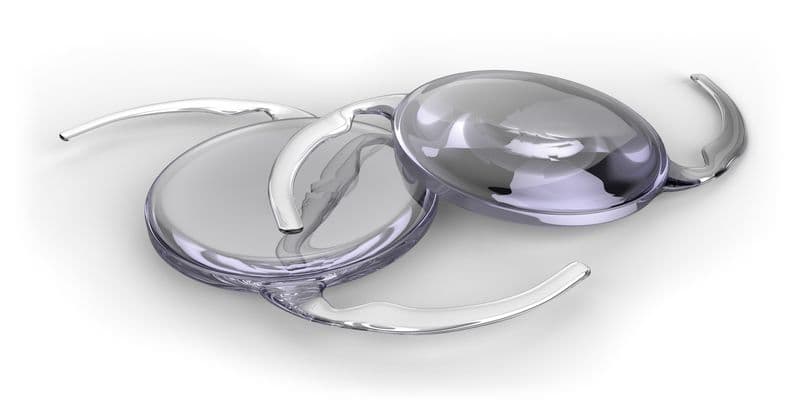
Phacoemulsification is the most popular modern technique for cataract surgery. During this procedure, surgeons use specialized ultrasound waves to break the cloudy lens into tiny fragments, which are then gently vacuumed out. Once the natural lens is removed, a new artificial intraocular lens (IOLs) is folded and inserted through a very small incision.
This cataract surgery method is highly preferred because it is minimally invasive, requiring significantly less surgery and recovery time. Most patients experience clear vision just 2 to 3 days after the procedure. Additionally, this "Phaco with IOL" approach can simultaneously correct pre-existing vision issues like farsightedness or astigmatism, often eliminating the need for further LASIK surgery.
Cataract surgery does not require waiting until the cataract becomes fully mature or severely cloudy. Modern surgical techniques allow safe and effective treatment at an appropriate stage based on the patient’s vision and daily needs.
Waiting until a cataract becomes very dense is not necessary and can make surgery harder. A hard, advanced cataract may need more ultrasound energy during surgery, can raise eye pressure or cause inflammation inside the eye, and may slow recovery. That said, cataract surgery is elective. The right time is usually when cloudy vision, glare, or difficulty with tasks such as reading or driving can no longer be corrected well with glasses, as decided together with your ophthalmologist.
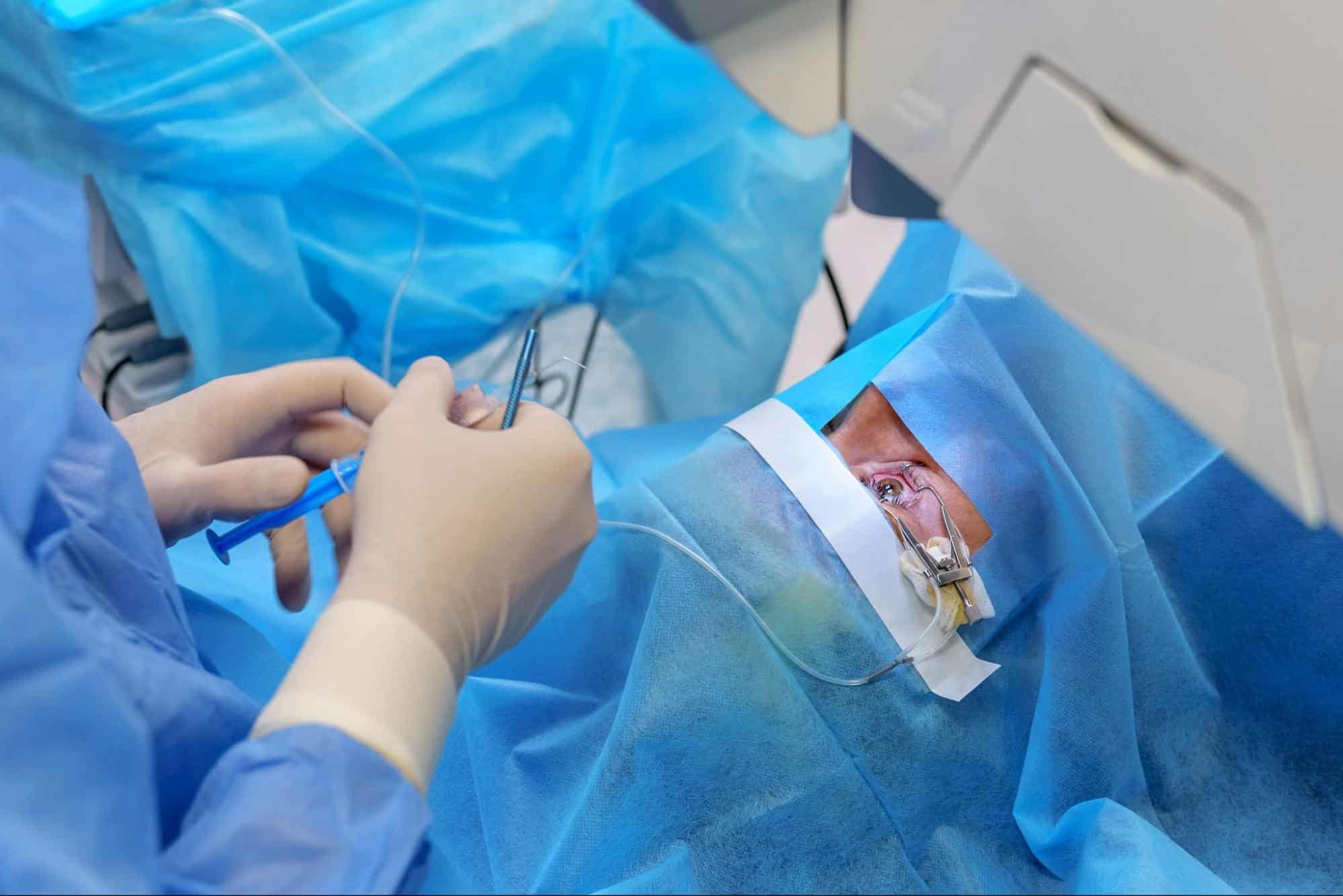
Cataract surgery is a minimally invasive procedure that usually takes less than an hour and is performed as an outpatient treatment. Before the surgery begins, eye drops are applied to enlarge the pupil, and local anesthesia or medication is given to ensure comfort and relaxation.
During the procedure, the surgeon creates a small opening in the eye, removes the cloudy natural lens using advanced techniques such as Phacoemulsification, and replaces it with a clear artificial intraocular lens (IOL). After the surgery, patients can usually return home on the same day with prescribed eye drops and follow-up care instructions.
During modern phacoemulsification cataract surgery, the surgeon replaces your cloudy natural lens with a foldable artificial one. The choice depends on your lifestyle and your vision before developing cataracts.
- Monofocal IOLs : A Monofocal Intraocular Lens is designed to focus at a single distance. Most patients choose to have this lens set for far-off vision. While you will see clearly in the distance, you will likely still need reading glasses for close-up tasks like reading a book.
- Multifocal IOLs : Multifocal lenses are designed to reduce your dependency on glasses by providing clear vision at multiple distances. There are two main categories:
- Multifocal IOLs : These provide two focus points, typically allowing you to see clearly at both intermediate and far distances, or near and far distances.
- Trifocal IOLs : These represent advanced technology that offers three focus points. They allow you to see clearly at near, intermediate (computer distance), and far distances.
- Toric IOLs : A Toric IOL is specifically designed for patients who have astigmatism. Traditional lenses only fix nearsightedness or farsightedness, but a Toric lens corrects the uneven curve of your eye.
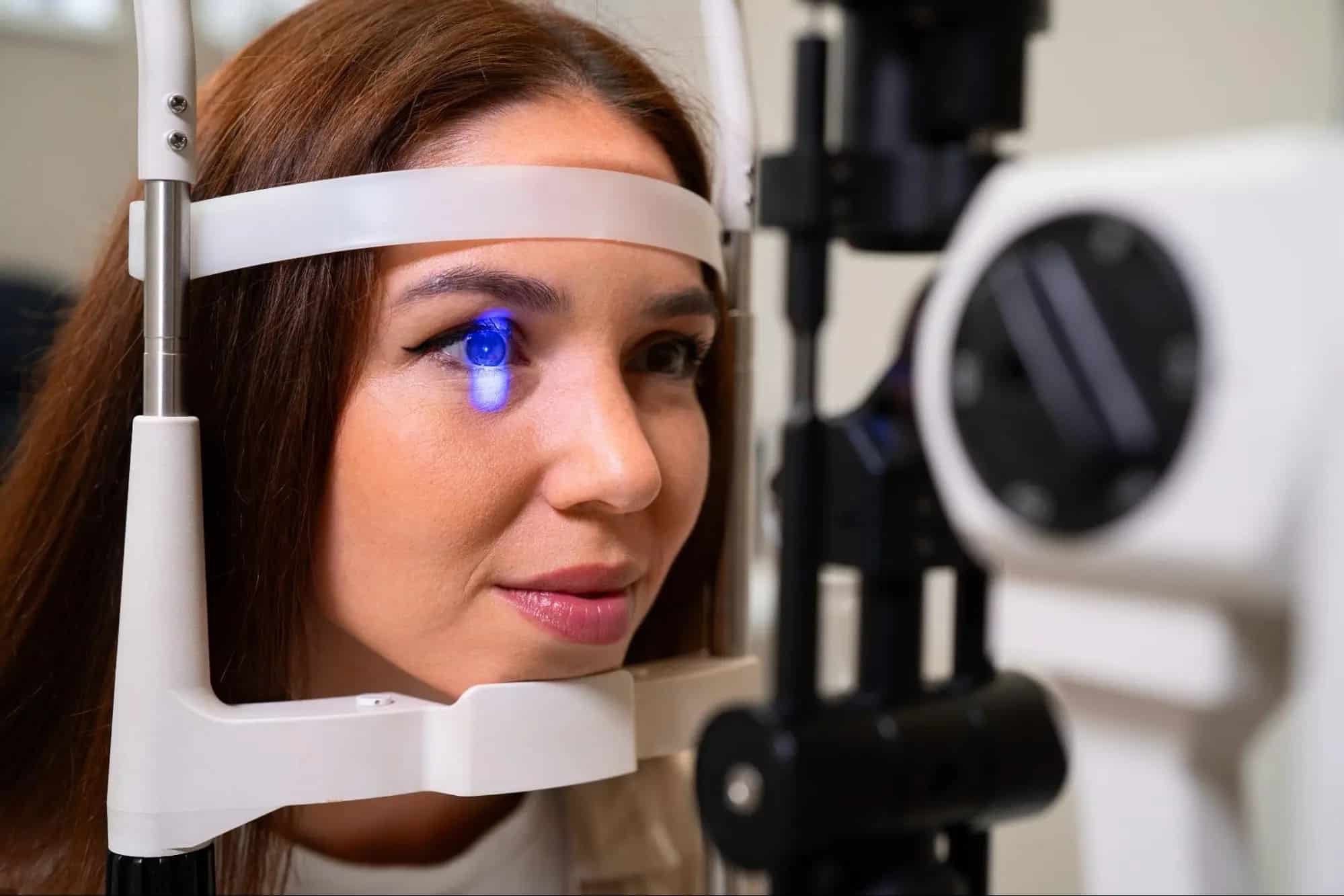
Proper preparation and aftercare are essential for a successful cataract surgery outcome. By following the medical team's guidance, you can ensure a smooth procedure and a fast return to clear vision.
Before Cataract Surgery
- You may be asked to practice lying still on your back with a cloth over your face for 30 minutes, as you will need to remain calm and still during the actual surgery.
- On the day of surgery, wash your hair and face thoroughly. Do not apply any makeup, powder, or creams.
- Keep your fingernails short and free of polish so doctors can monitor your circulation.
- Unless told otherwise, you can usually eat and take your regular medications as normal, provided you are not undergoing general anesthesia.
- Do not drive yourself. Arrange for a caregiver to bring you to the hospital and assist you afterward.
- Don’t forget to bring a pair of sunglasses for your trip home.
- Leave jewelry and valuables at home, and remove any dentures before entering the operating room.
After Cataract Surgery
- Use all prescribed eye drops and oral medications exactly as directed by your surgeon.
- On the first day, rest as much as possible. Sleep with your head elevated and avoid lying on the side that was operated on.
- Wear your protective eye shield while sleeping for the first week, or for as long as your surgeon advises.
- During the day, wear sunglasses to protect against light and dust.
- Absolutely no water or dust should enter the eye. Use a damp cloth to wipe your face instead of splashing water.
- Have someone else wash your hair at a salon or over a sink to prevent soap from entering the eye.
- Do not rub your eyes, cough forcefully, or lift heavy objects.
- Avoid bending your head below your waist and lifting heavy objects for the first few days to 1 to 2 weeks, as your surgeon advises.
- You can watch TV or read, but rest if your eyes feel tired.
- If you experience sudden pain, redness, or blurred vision, contact your doctor immediately.
Most patients only need one day of rest before they can return to their normal daily lives without the need for a hospital stay. As long as you are careful with your activities, keep your eyes clean, and use your prescribed medications consistently for about one month, you will be able to enjoy all your usual activities again.
If you undergo the modern cataract surgery method (Phacoemulsification), you can expect to see clearly within just 2 to 3 days. However, if the traditional surgery method is used, it may take approximately 4 to 6 weeks for your eyes to fully stabilize and provide clear vision.
Most complications occur immediately following the cataract surgery procedure and can often be managed with medication or, in some cases, further surgery. These may include:
- Vision-Related Issues: Some patients might experience cloudiness, blurriness, or see dark shadows or bright areas of light.
- Internal Eye Problems: These can include a detached retina, infections, bleeding, or inflammation within the eye.
- Lens Positioning: Occasionally, there may be issues with the final position of the new artificial lens.
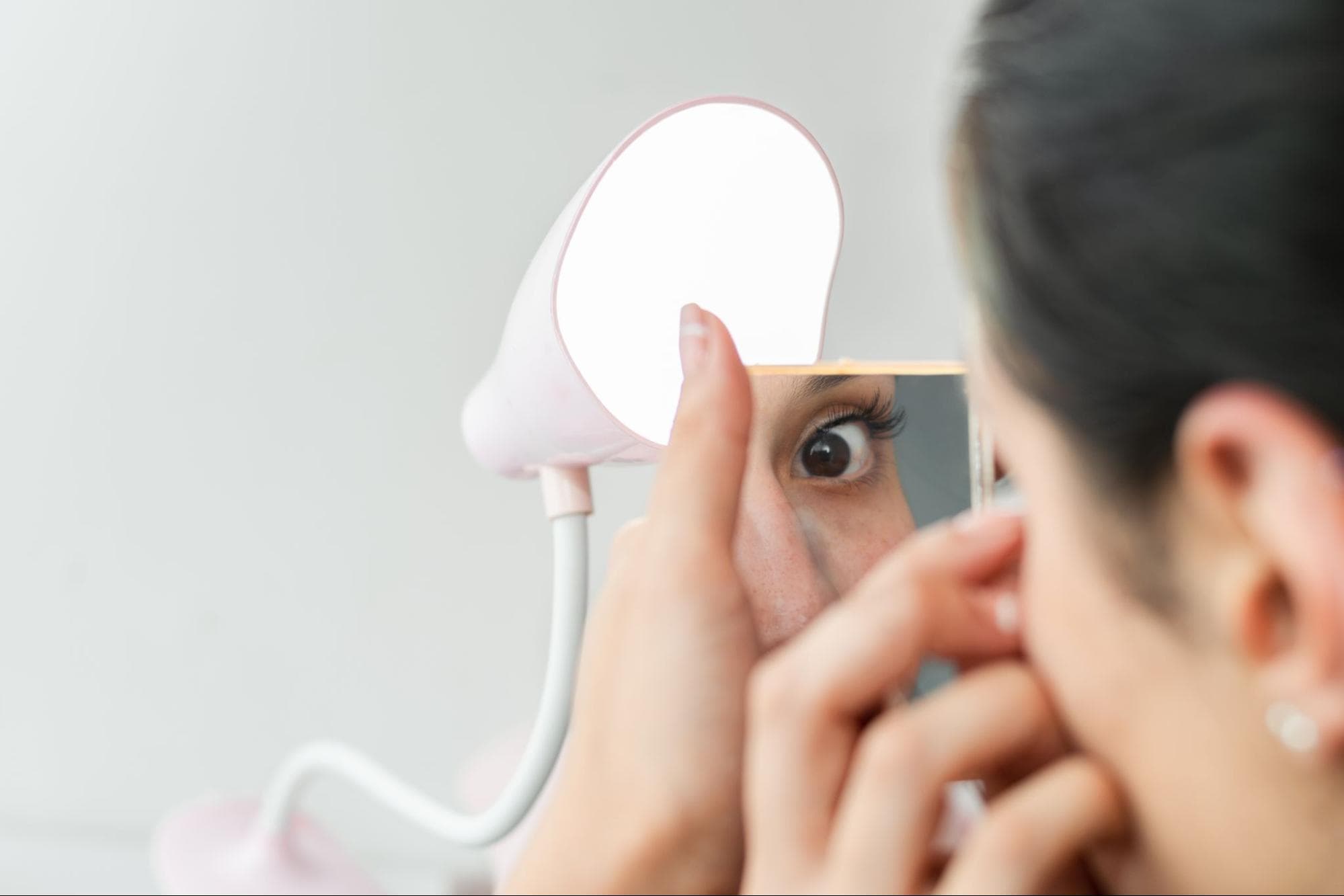
After cataract surgery, mild discomfort, blurred vision, or light sensitivity may occur during the recovery period. However, certain symptoms may indicate possible complications and require immediate medical attention.
- Sudden vision loss or a significant drop in vision after surgery.
- Severe or worsening eye pain that does not improve with the prescribed medication.
- Increasing redness, swelling of the eyelids, or pus-like discharge from the eye.
- A sudden increase in floaters, new flashes of light, or a dark curtain or shadow across your vision, which can be signs of a retinal problem.
- Increasing sensitivity to light, especially if the eye is also red and painful.
- Persistent nausea or vomiting together with eye pain or headache.
Understanding the costs and options for cataract surgery is essential for planning your path to clearer vision. At Samitivej Chinatown, we offer transparent pricing based on the type of intraocular lens (IOL) that best fits your lifestyle and medical needs. Each package is designed as a comprehensive service, including the surgeon's fees and medical supplies.
|
Phacoemulsification Program (Price per eye)
|
Standard Price (THB)
|
|
1. Phaco + IOL (Single distance focus)
|
58,000
|
|
2. Phaco + Toric IOL (Single distance + corrects astigmatism)
|
75,000
|
|
3. Phaco + Multifocal IOL (Multiple distance focus)
|
99,000
|
|
4. Phaco + Multifocal Toric IOL (Multiple distances + corrects astigmatism)
|
124,000
|
- All patients must undergo an initial diagnosis by our ophthalmologists to confirm eligibility and the most suitable lens choice.
- Should the patient require specific medications, medical supplies, or materials beyond the standard list, additional charges may apply.
- These prices are standard rates and generally cannot be combined with other hospital discounts or promotions.
- The hospital reserves the right to change prices and conditions without prior notice.
At Samitivej Chinatown, cataract treatment is provided by experienced ophthalmologists who focus on delivering safe, personalized care with modern surgical techniques. Our specialists evaluate each patient’s eye condition carefully and recommend the most suitable treatment approach and intraocular lens (IOL) option based on individual needs.
- Experienced Eye Specialists: Our ophthalmologists have expertise in cataract diagnosis and surgery, ensuring accurate evaluation and effective treatment planning.
- Personalized Treatment Approach: Each patient receives an individualized care plan, from lens selection to post-surgery follow-up, based on lifestyle and vision goals.
- Advanced Cataract Surgery Techniques: We utilize modern technology and surgical methods, including Phacoemulsification, to support precise treatment and faster recovery.
- Comprehensive Patient Care: Our team provides guidance throughout the entire journey, helping patients feel confident and comfortable before, during, and after surgery.
Cataract surgery is a highly successful procedure that transforms blurred vision into clarity by replacing the eye's clouded lens with an artificial IOL. Whether using traditional methods for advanced cases or modern ultrasound techniques for quick recovery, the process is streamlined for patient safety. With proper preparation and a month of diligent aftercare, patients can enjoy a permanent and life-changing improvement in their visual health.
Eye surgery can be stressful, making the choice of a trusted hospital vital for your peace of mind. At Samitivej Chinatown, we prioritize patient comfort to reduce the anxiety often associated with being awake during surgery. Our expert ophthalmologists use world-class technology and international standards to ensure every procedure is safe, gentle, and effective, turning a daunting experience into a simple, life-enhancing journey.
Where Should I Get Cataract Treatment?
When choosing a hospital for cataract surgery, prioritize a facility where you feel completely comfortable and trusted. Eye surgery can naturally cause anxiety, as being awake while lying still under a surgical cloth is a unique experience. While the procedure is very safe and effective, your mental comfort is key.
At Samitivej Chinatown, we focus on personalized care to make your treatment feel routine rather than frightening. Our specialized ophthalmologists use international-standard equipment to ensure every step is smooth, helping you achieve excellent results without unnecessary stress.
When do we need Cataract Surgery?
Cataract surgery is necessary when cataracts begin to interfere with your daily life such as difficulty driving at night, reading, or recognizing faces. When blurred vision can no longer be corrected with glasses, it is time to consider lens replacement.
Can cataracts come back after surgery?
A cataract itself cannot come back after surgery, because the cloudy natural lens is removed and replaced with an artificial intraocular lens (IOL).
However, vision can become cloudy again months or years later if the thin capsule that holds the lens becomes hazy. This is called posterior capsule opacification (PCO), sometimes known as a secondary cataract, and it affects up to about 1 in 5 patients. PCO is treated with a quick outpatient laser procedure called YAG laser capsulotomy, which is painless and takes only a few minutes. Your ophthalmologist will explain the small risks of the laser before the treatment.
Thanapong Somkitrungroj, M.D.
Phatthicha Phinyosawatkul, M.D.
Chayanee Pothiwongsajarn, M.D.
Chunhakan Petchphansri, M.D.
Associate Professor Wannarat Satitpitakul, M.D.