Astigmatism: Symptoms, Causes and Treatment Options At Samitivej Chinatown
Article by: Last updated: 14 May 2026
Vision is one of the most vital senses, yet many individuals suffer from blurred or distorted sight without realizing the cause. Astigmatism is a common condition that affects people of all ages, often occurring alongside other vision issues like Myopia (nearsightedness) or Hyperopia (farsightedness).
At Samitivej Chinatown, we understand how vital your eye health is to your quality of life. This guide will help you understand what astigmatism is, how to identify it, and the modern medical solutions available to restore your clear vision.
Key Takeaway
- Astigmatism is a common refractive error caused by an irregularly shaped cornea or lens, leading to blurred or distorted vision.
- Symptoms include blurred vision, eye strain, headaches, and difficulty driving at night.
- Diagnosis is confirmed via a comprehensive eye exam involving visual acuity, keratometry, and refraction tests.
- Treatment options range from corrective lenses (eyeglasses, Toric contacts) to permanent surgical solutions (LASIK, SMILE Pro, ICL).
- Samitivej Chinatown offers expert diagnosis and advanced treatments like SMILE Pro and Femto Lasik for personalized vision correction.
Table of Contents
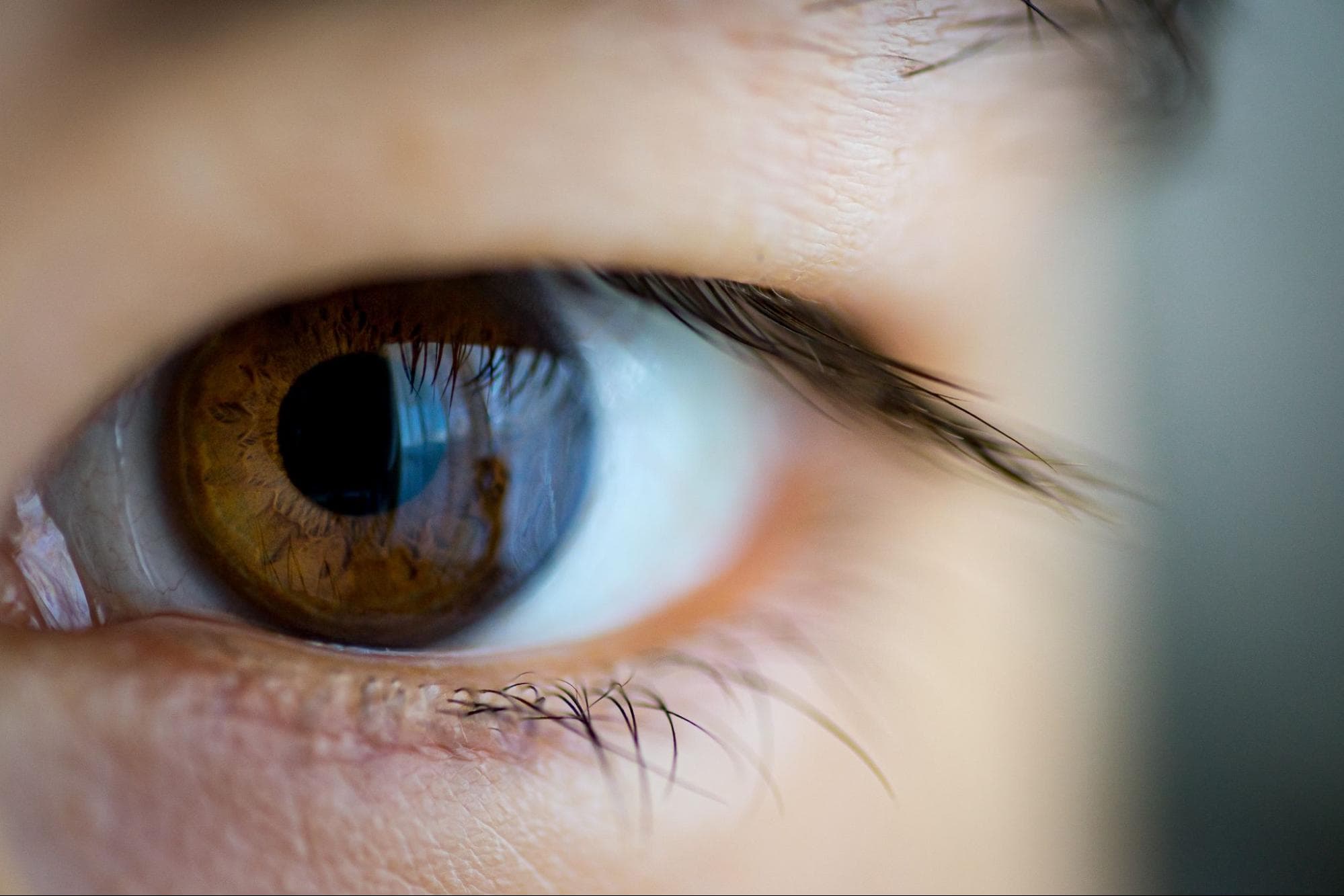
Astigmatism is a type of refractive error that occurs when the eye does not focus light evenly onto the retina. In a normal eye, the cornea and lens are curved smoothly and equally in all directions, like a round ball. This allows light to bend (refract) properly to create a single, sharp focus point on the retina.
However, for someone with this condition, the cornea or lens has an irregular curvature, shaped more like a football or the back of a spoon. This irregularity causes light to focus on multiple points instead of just one, resulting in blurred or distorted images at both near and far distances. It is a very common condition and is not a disease. Rather, it is a physical imperfection in the eye's shape.
The symptoms of astigmatism can vary depending on its severity. Some individuals with mild cases may not notice any changes at all. However, as the degree of the error increases, common symptoms include:
- Blurred or Distorted Vision: Objects may appear fuzzy, or their edges may seem "stretched" or shadowed at any distance.
- Eye Strain and Fatigue: You may experience discomfort or a "tired" feeling in your eyes after tasks that require intense focus, such as reading or using a computer.
- Headaches: Frequent headaches are often a result of constant squinting and the brain's effort to compensate for the lack of clarity.
- Difficulty with Night Driving: Many people report seeing "starbursts" or "halos" around streetlights and car headlights, making it dangerous to drive after dark.
- Squinting: A natural reflex to try and sharpen an image, though it often leads to further eye strain.
The primary cause of astigmatism is an irregular curvature of the cornea or the lens. While the exact reason why corneal shape differs between individuals is not always known, several factors contribute to its development:
- Genetics: Most people are born with some degree of this condition, often inherited from their parents.
- Eye Injury or Trauma: Scarring on the cornea resulting from an accident or infection can change its shape.
- Surgery: In some cases, changes to the cornea's shape occur as a side effect or complication of previous eye surgeries.
- Keratoconus: This is a specific condition where the cornea gradually thins and bulges outward into a cone shape, causing severe distortion.
It is important to note that, contrary to common myths, reading in low light or sitting too close to the television does not cause or worsen the condition.
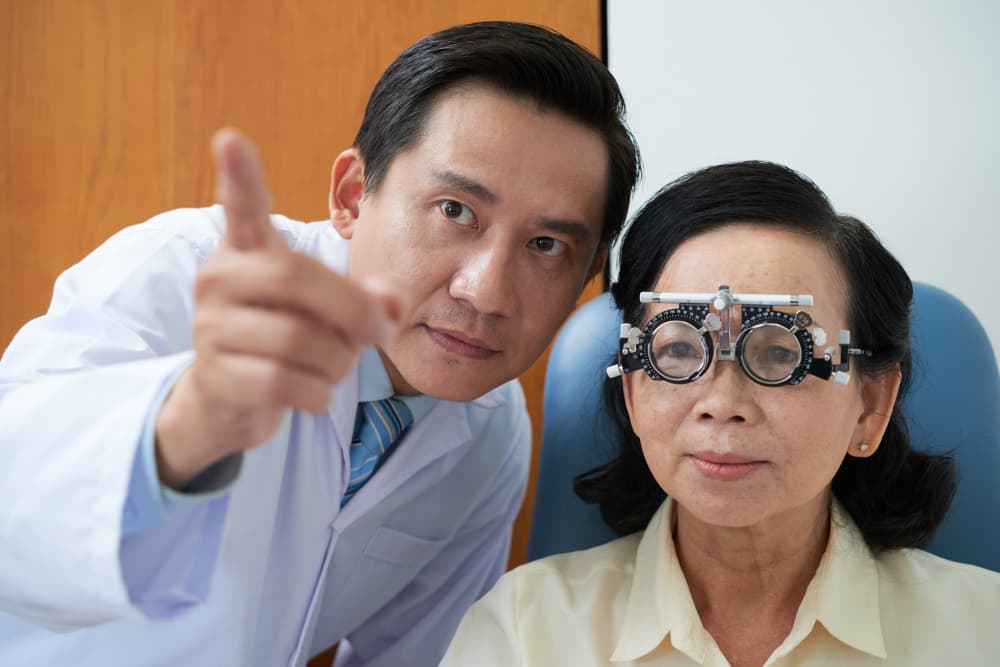
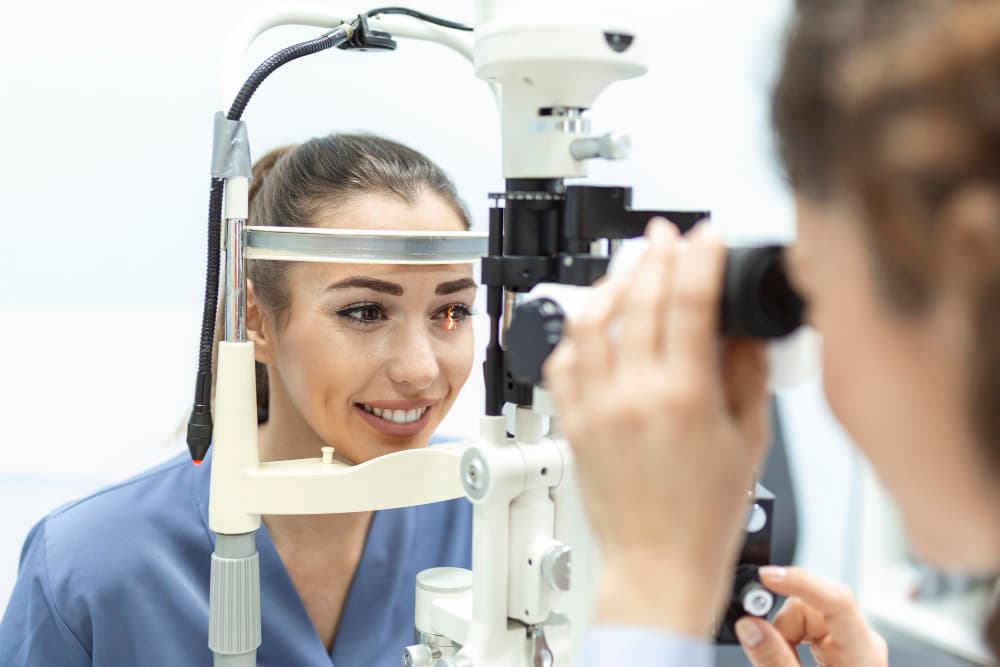
To accurately diagnose this condition, you should undergo a comprehensive eye exam performed by an ophthalmologist or an optometrist. The clinical process typically involves three main tests:
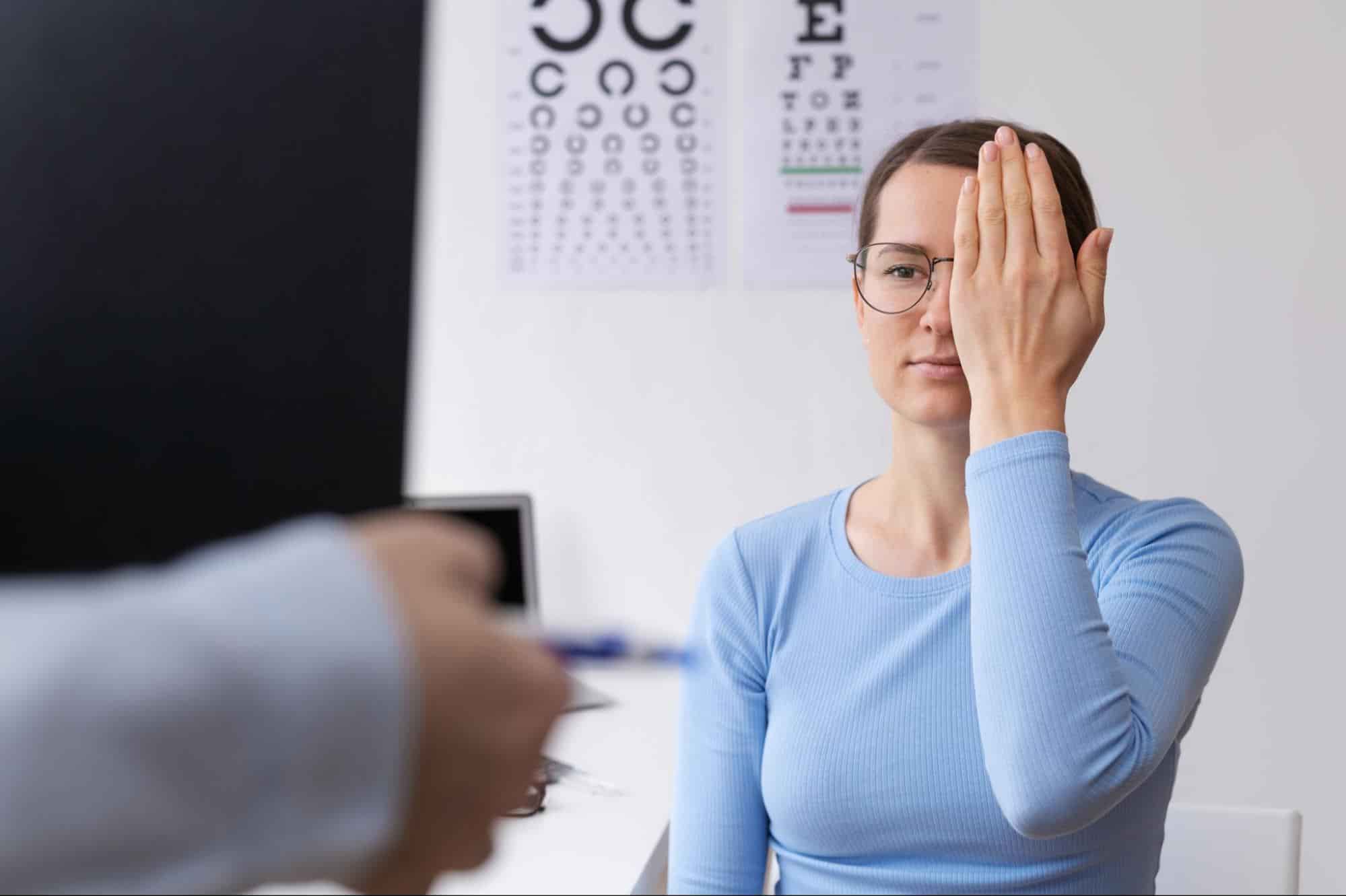
- Visual Acuity Test: You will be asked to read letters or numbers on a chart (Snellen chart) from a specific distance to measure how clearly you can see.
- Keratometry: Using a device called a Keratometer, the specialist measures the specific curvature of your cornea by observing how light reflects off its surface.
- Refraction Test: Using a Phoropter, the doctor places various lenses in front of your eyes to determine the exact prescription needed to correct the light refraction error.
Simple Home Self-Test
While not a substitute for a professional exam, you can perform a basic check at home. Cover one eye and look at a "fan" chart of black lines. If all the lines appear equally dark and sharp, you likely have little to no error. If some lines appear darker or thicker than others, it is a sign you may have astigmatism and should consult a professional.
There are several effective ways to treat and correct astigmatism, ranging from non-invasive options to permanent surgical solutions.
Corrective Lenses
- Eyeglasses: This is the most common and safest method. Specialized "cylindrical" lenses are used to compensate for the irregular shape of the eye, providing clear vision at all distances.
- Contact Lenses: Many prefer contact lenses for a wider field of vision. Astigmatism is typically corrected with Toric lenses (soft) or Rigid Gas Permeable (RGP) lenses.
Surgical Options
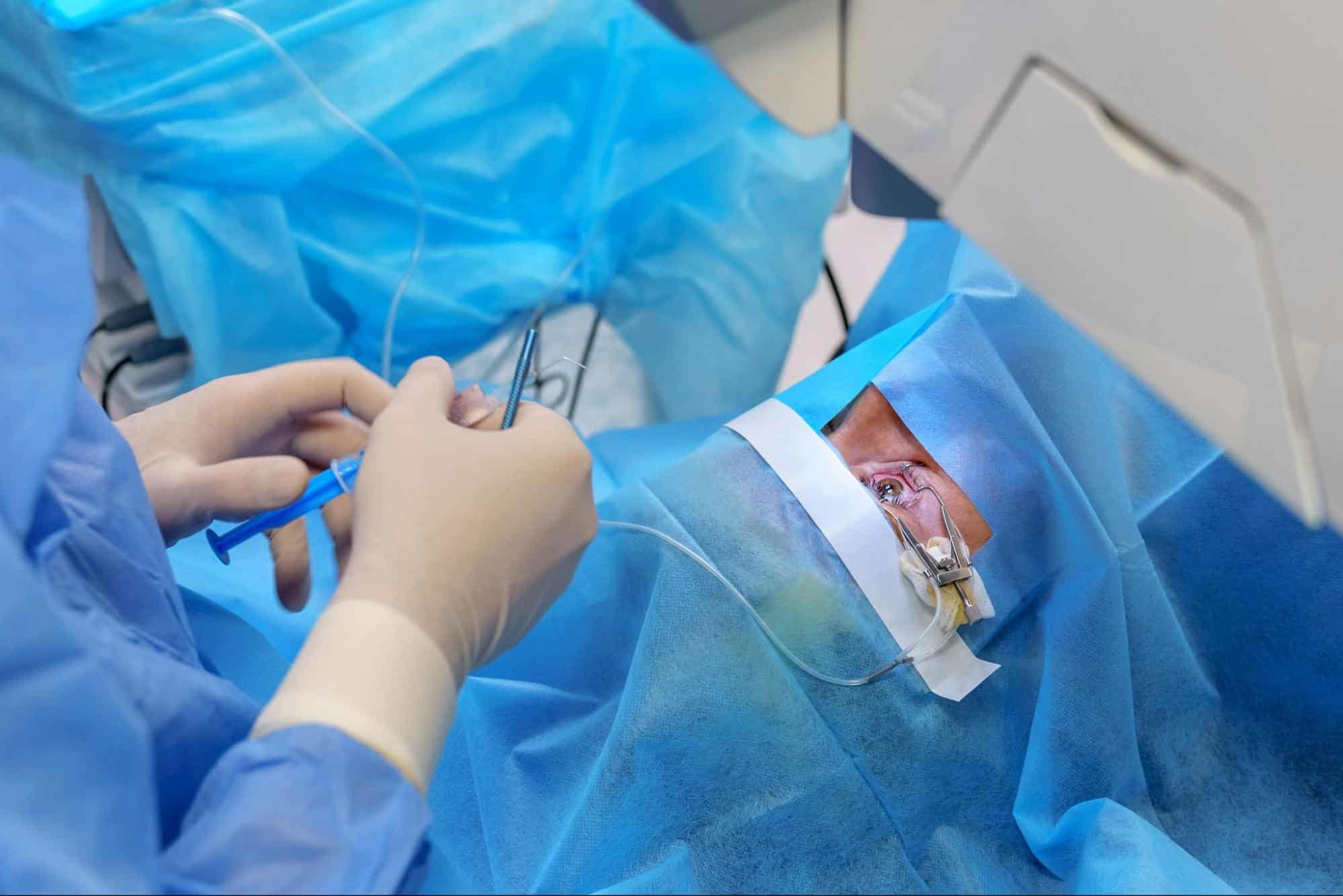
For those seeking a permanent solution to eliminate their dependence on glasses, several surgical procedures are available at Samitivej Chinatown:
- Lasik: This popular procedure uses a blade to create a thin flap in the cornea, followed by a laser to reshape the underlying tissue.
- PRK (Photorefractive Keratectomy): Ideal for patients with thin corneas, this method involves removing the outer layer of the cornea before using a laser to reshape it.
- Femto Lasik: Also known as "bladeless" LASIK, this uses a high-precision femtosecond laser to create the corneal flap, reducing the risk of complications and enhancing recovery.
- SMILE Pro: The latest advancement in laser vision correction (an evolution of ReLEx SMILE). This minimally invasive technique uses a laser to create a small lens-shaped piece of tissue (lenticule) inside the cornea, which is removed through a tiny incision. It offers the fastest recovery and minimal discomfort.
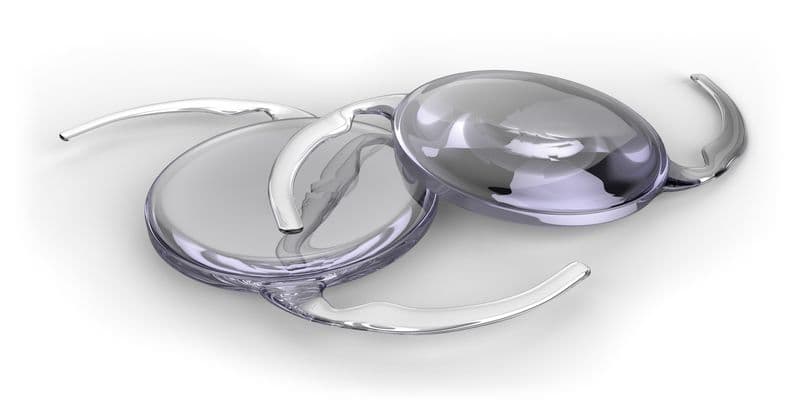
- ICL (Implantable Collamer Lens): For those with very high prescriptions or thin corneas who are not candidates for laser surgery, a permanent corrective lens is surgically implanted inside the eye.

While anyone can develop this condition, certain groups are at higher risk:
- Individuals with a family history of astigmatism or other corneal disorders like Keratoconus.
- People who have undergone certain types of eye surgery, such as cataract surgery.
- Those with a history of significant eye injuries or corneal infections that left scars.
- Patients who already have high levels of Myopia or Hyperopia.
Living with astigmatism can be frustrating, especially when it interferes with daily activities like reading, working, or driving at night. However, with modern diagnostic tools and advanced treatment options, there is no reason to settle for blurred vision.
At Samitivej Chinatown, we combine world-class medical expertise with the latest German technology to provide personalized eye care. Whether you are looking for a diagnosis or considering life-changing surgery like SMILE Pro or Femto Lasik, our team is here to guide you every step of the way. Don't let blurred vision hold you back, trust your eyes to the experts who treat you like family.
At what level of astigmatism should I start wearing glasses?
There is no fixed number. It depends on how much astigmatism affects your daily life, such as causing headaches, eye strain, or making it difficult to drive at night.
Can I have astigmatism and nearsightedness at the same time?
Yes, it is very common for astigmatism to occur alongside Myopia (nearsightedness) or Hyperopia (farsightedness).
Is the surgery painful?
Modern procedures like SMILE Pro and Femto Lasik are designed for maximum comfort. Numbing drops are used, and most patients feel little to no pain during the procedure, with a very quick recovery time.
Why is night driving so difficult with this condition?
Because the eye cannot focus light properly, lights at night (like car lamps) appear to "smear" or stretch into lines and shadows, which can be very distracting and dangerous.