What is Myopia? Nearsightedness and Modern Vision Correction
Article by: Last updated: 14 May 2026
Vision is one of the most critical senses for navigating daily life. However, many people find themselves struggling to see distant objects clearly, a condition medically known as myopia. Whether it is a student unable to read the whiteboard or an adult struggling to see road signs while driving, myopia affects a significant portion of the population, particularly those under the age of 40.
Highlight
- Myopia is a common refractive error where the eyeball is too long or the cornea is too curved, causing distant objects to appear blurry because light focuses in front of the retina.
- Severity ranges from Mild/Moderate (-0.25 to -3.00 D) to High Myopia (greater than -6.00 D). High myopia is a clinical concern as it increases the risk of serious eye diseases (e.g., retinal detachment, glaucoma).
- Risk factors include genetics, ethnicity, and lifestyle, particularly excessive "near work" and a lack of outdoor time. While glasses correct vision, uncorrected vision in young children can lead to faster progression.
- Myopia correction methods include simple options like prescription glasses and contact lenses, or permanent solutions through refractive surgeries (LASIK, Femto Lasik, PRK, SMILE Pro) or internal lens implants (ICL).
สารบัญบทความ
Myopia, commonly referred to as nearsightedness, is a refractive error where light entering the eye does not focus directly on the retina. Instead, the light rays converge at a point in front of the retina. This optical misalignment results in a clear vision for objects at a close distance, while objects further away appear blurry and out of focus.
In medical terms, eye doctors measure this condition in units called Diopters (D). For instance, a person with a prescription of -1.00 is said to have 100 degrees of nearsightedness. This condition can occur in one or both eyes, and the severity can differ between them.
The blurred vision associated with myopia is primarily due to the physical shape of the eye. There are two main anatomical reasons for this:
- Abnormal Eyeball Length: The eyeball is too long from front to back (the axial length is excessive), causing the light to fall short of the retina.
- Excessive Corneal Curvature: The cornea, the clear front surface of the eye, is too curved relative to the eyeball's length, which bends light too sharply.
Risk Factors of Myopia
Beyond anatomy, several factors increase the likelihood of developing myopia.
- Genetics: If one or both parents are nearsighted, the children have a higher risk of developing the condition.
- Ethnicity: Studies indicate that East Asians have a higher prevalence of myopia.
- Environment and Lifestyle: Engaging in excessive "near work," such as prolonged use of computers or smartphones, can strain the eyes. Conversely, a lack of outdoor activity is a risk factor because natural sunlight helps stimulate dopamine, which regulates healthy eye growth.
- Premature Birth: Infants born prematurely or with low birth weight are more susceptible to vision issues.
Yes, myopia can be present from birth, particularly in cases of high myopia. In children, signs of early-onset myopia include walking into obstacles, falling frequently, or holding objects very close to their face to see them. If a child develops a squint or their eyes appear misaligned (strabismus), it may be a sign of a significant refractive error that requires immediate consultation with an ophthalmologist.
Ophthalmologists generally classify myopia into two primary categories based on the degree of refractive error.
- Mild to Moderate Myopia: This typically ranges from -0.25 to -3.00 Diopters. While it causes difficulty in seeing distant objects, it is generally not associated with severe eye diseases.
- High Myopia: This is defined as a refractive error greater than -6.00 Diopters. High myopia is more than just a need for thick glasses; it is a clinical concern because it significantly increases the risk of serious complications, such as cataracts, glaucoma, retinal detachment, and macular degeneration.
The goal of treating myopia is to shift the focus of light directly onto the retina. Depending on your lifestyle and eye health, there are several ways to achieve this.
Wearing Glasses
Wearing prescription glasses is the simplest and safest way to correct vision. The lenses are customized to your specific diopter needs to help refocus light. While glasses are highly effective for daily tasks, they do not "cure" myopia or stop it from progressing. They may also be inconvenient for certain activities like sports or dancing.
Wearing Contact Lenses
Contact lenses provide a wider field of view and are preferred by those who find glasses aesthetically unappealing or cumbersome for physical activities. They come in various types, including daily disposables and monthly lenses. However, contact lenses require strict hygiene. Failure to clean them properly can lead to eye infections, corneal ulcers, or severe inflammation.
Refractive Surgery (Permanent Vision Correction)
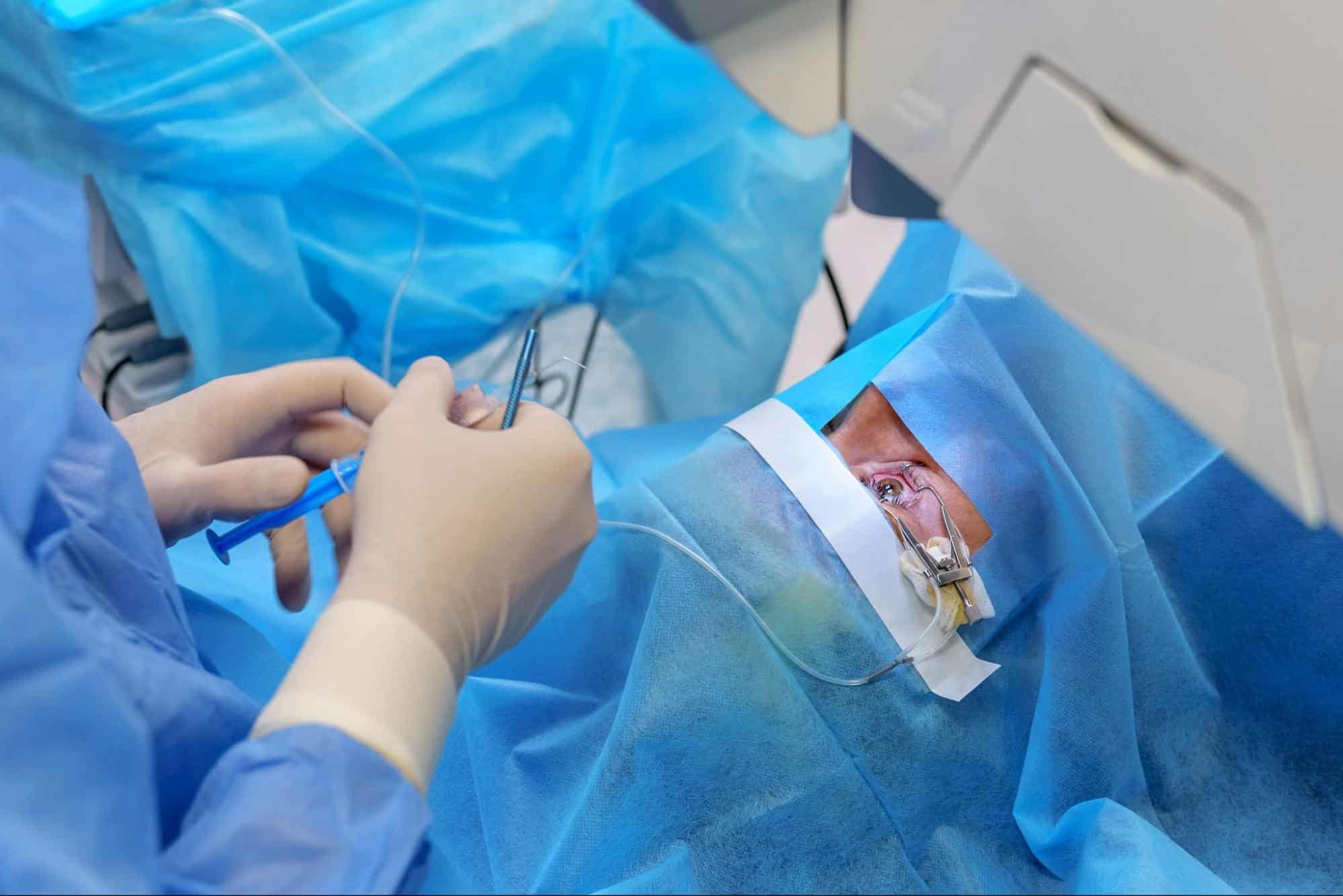
LASIK is a popular procedure that uses an Excimer Laser to reshape the cornea so that light hits the retina perfectly. It is suitable for treating myopia, hyperopia, and astigmatism. However, patients must have a sufficiently thick cornea to be candidates.
- Photorefractive Keratectomy : PRK
In PRK, the surgeon removes the outer layer of the cornea (the epithelium) before using a laser to reshape the surface. Because it does not involve creating a flap, it is an excellent option for individuals with thin corneas or those in professions with a high risk of eye trauma, such as pilots.
- Implantable Collamer Lens : ICL
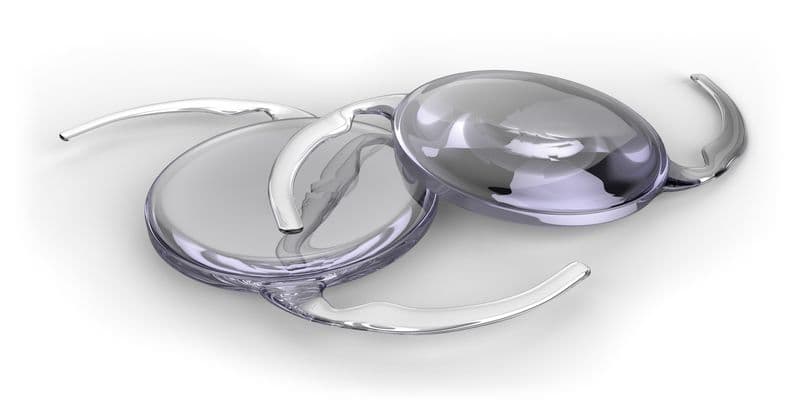
For patients with very high myopia or those who cannot undergo laser surgery, ICL is an ideal choice. A thin, biocompatible lens is permanently inserted into the eye in front of the natural lens. Unlike laser surgery, this procedure is reversible as the lens can be removed if necessary.
Femto Lasik is a blade-free version of the traditional surgery. It uses a femtosecond laser (such as the Visumax) to create the corneal flap with extreme precision before reshaping the eye. It offers a faster recovery time and reduces the risk of flap-related complications.
- Small Incision Lenticule Extraction: SMILE Pro
This is the latest evolution in laser vision correction. SMILE Pro is a minimally invasive, blade-free procedure that uses a laser to create a tiny lenticule within the cornea, which is then removed through a very small incision. It results in less nerve disruption, less dry eye, and a very rapid recovery.
At what level is myopia dangerous?
Myopia becomes clinically dangerous when it exceeds -6.00 Diopters (600 degrees). At this level, the physical stretching of the eyeball increases the risk of sight-threatening conditions like retinal tears or glaucoma. Regular eye exams are vital for anyone with high myopia to monitor for these complications.
Does not wearing glasses make myopia worse?
This is a common concern. For adults, not wearing glasses when you are nearsighted does not permanently increase your prescription. However, it will cause significant eye strain, headaches, and blurred vision, making daily tasks less safe.
Myopia is a natural variation in eye structure that can be influenced by both genetics and modern lifestyle habits. While it cannot be completely prevented, its progression can be managed through regular eye check-ups, healthy visual habits, and the right corrective measures.
Whether you prefer the simplicity of glasses, the convenience of contact lenses, or the life-changing results of advanced surgeries like LASIK, PRK, or SMILE Pro, the experts at Samitivej Chinatown are here to guide you. Our hospital is equipped with state-of-the-art technology and experienced ophthalmologists ready to provide personalized care.
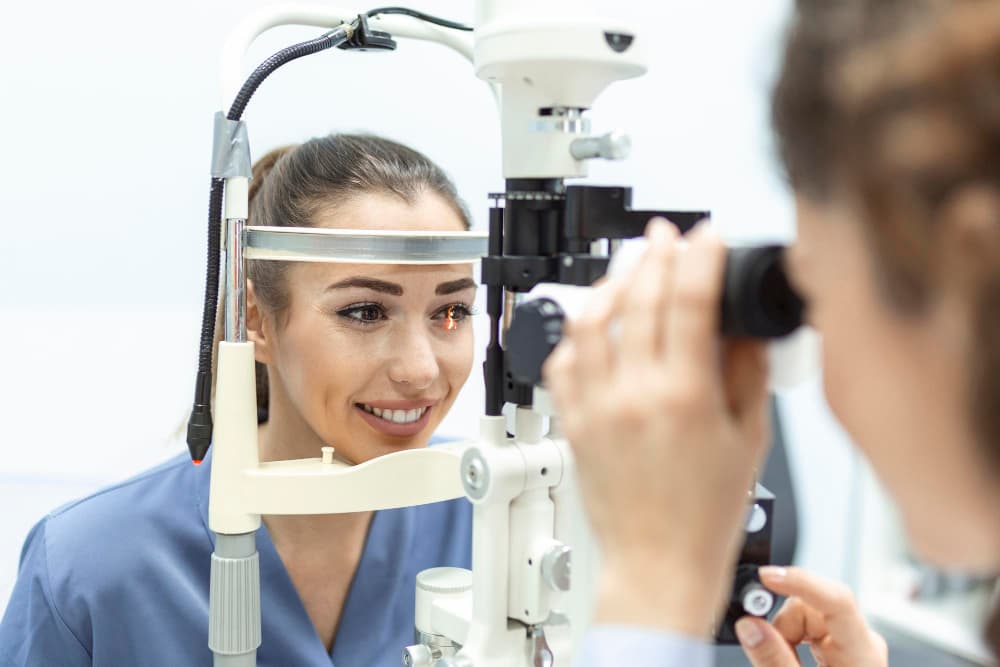
Don't let blurry vision hold you back. Schedule a comprehensive eye examination today and see the world with clarity once again.