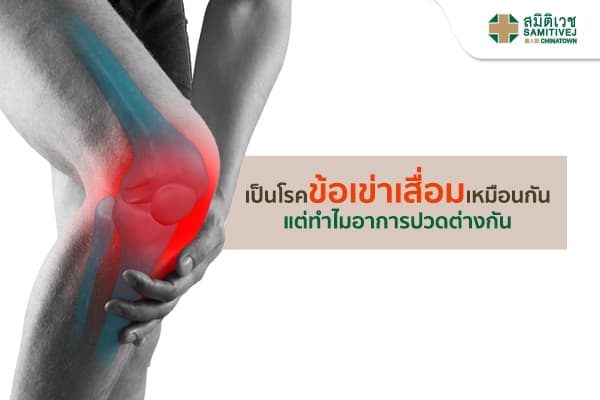
Knee Pain: Comprehensive Guide to Causes, Relief, and Recovery
Article by: Last updated: 9 September 2026
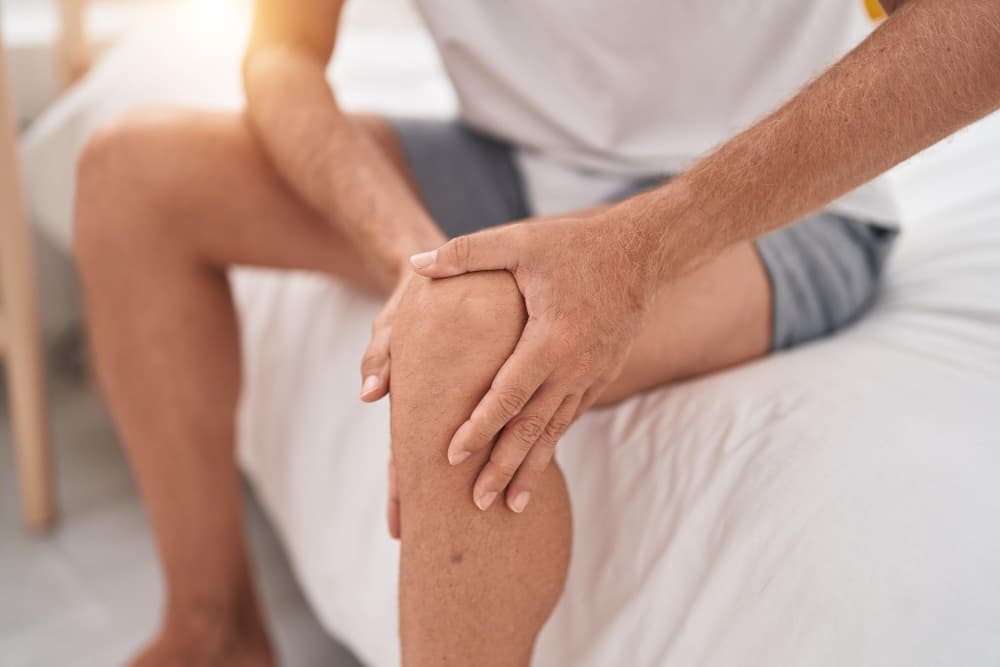
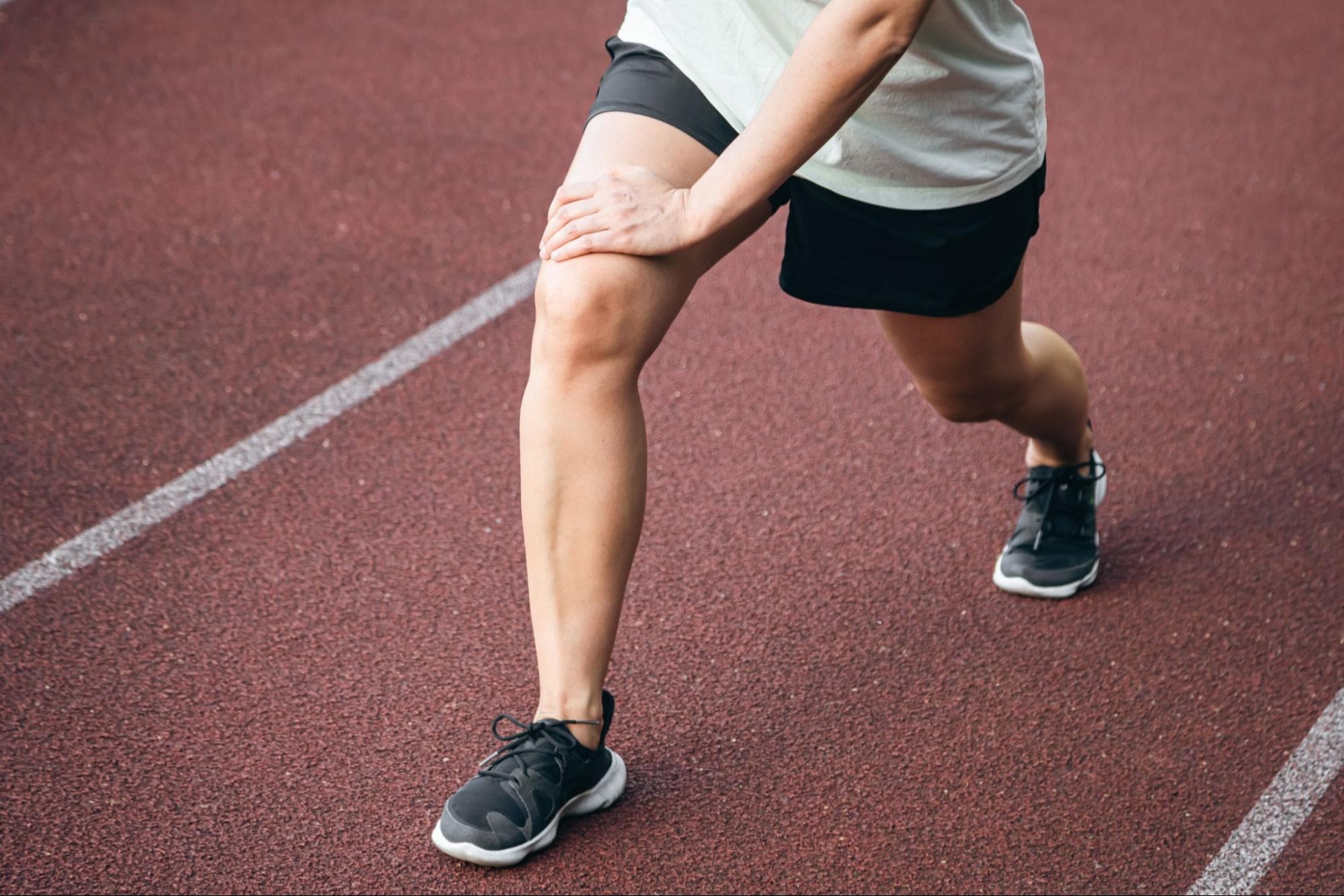
Knee pain is a frequent medical issue that affects people of all ages, disrupting daily mobility and overall quality of life. Whether experienced as a sharp ache when bending or a persistent dull sensation while walking, understanding “why does my knee hurt?” is the critical first step toward recovery.
Finding effective knee pain relief depends heavily on identifying the root cause, which can range from sudden ligament injuries to chronic conditions. By taking proactive measures and seeking timely knee pain treatment, you can relieve discomfort, restore stability, and prevent long-term joint damage.
Highlight
- Identifying whether you feel pain behind the knee, inside, or front helps pin down the exact injury or condition.
- Common triggers include acute sports injuries like an anterior cruciate ligament tear, age-related wear, and biomechanical stress.
- Simple self-care routines, targeted physical therapy, and appropriate medication offer reliable relief for most joint issues.
- Severe joint degeneration may require modern surgical solutions such as total knee arthroplasty for long-term recovery.
- Immediate professional evaluation is essential if you experience severe swelling, instability, or an inability to bear weight.
Table of Content
Knee pain is a common complaint characterized by discomfort, soreness, or inflammation in or around the knee joint. The knee is a complex weight-bearing hinge joint composed of bones, cartilage, ligaments, tendons, and fluid-filled sacs called bursae. Any disruption, strain, or damage to these supporting structures can trigger localized or radiating discomfort.
The experience of pain in knee joints varies widely from person to person; it can occur suddenly following a physical trauma or develop gradually over months due to wear and tear. Understanding the nature of this discomfort is essential because the knee absorbs substantial impact during basic daily activities, such as climbing stairs, crouching, and walking.
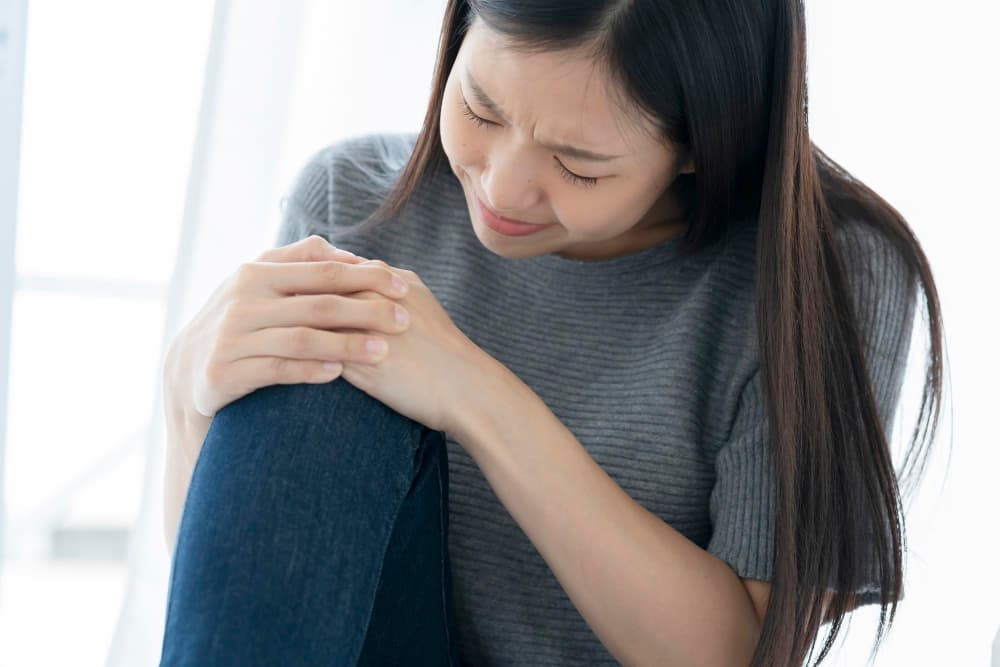
Depending on the underlying cause of the issue, symptoms accompanying knee discomfort can range from mild discomfort to debilitating stiffness. Common symptoms include:
- Swelling and Stiffness: Noticeable inflammation around the joint, often leading to knee joint stiffness that makes bending or straightening the leg difficult.
- Redness and Warmth: Visible discoloration and localized heat surrounding the knee joint, typically indicating active inflammation or infection.
- Instability or Weakness: A feeling that the knee is "giving way," buckling, or unable to support your body weight during movement.
- Popping or Crunching Noises: Auditory sensations (crepitus) or crunching feelings when flexing or extending the leg.
- Inability to Fully Straighten the Arm or Leg: Mechanical blockages or severe discomfort preventing full range of motion.
- Discomfort During Movement: Noticeable knee pain when walking or shifting weight onto the affected leg.
Pinpointing the exact location of your discomfort provides valuable diagnostic clues regarding the specific structures involved:
- Pain in the Front of the Knee
Discomfort at the front of the knee (anterior knee pain) usually centered around the kneecap (patella). This is frequently caused by patellofemoral pain syndrome, patellar tendinitis, or overuse from activities like jumping and running.
- Pain Behind the Knee
Experiencing pain in the back of knee areas, often described as back of knee pain or pain behind knee, can indicate a Baker’s cyst, a tear in the posterior meniscus, or hamstring strain. It is important to address persistent pain behind knee structures to avoid complications.
- Pain on the Inner Side of the Knee
Feeling inner knee pain affects the medial aspect of the joint. This localized discomfort is most frequently linked to a strain or tear in the medial collateral ligament (MCL) or osteoarthritis on the inner compartment of the knee joint.
- Pain on the Outer Side of the Knee
Outer (lateral) knee pain commonly stems from Iliotibial (IT) Band Syndrome or lateral meniscus tears, both frequently seen in cyclists and long-distance runners, while lateral collateral ligament (LCL) sprains more often result from a direct blow to the knee or a sudden pivot during contact sports.
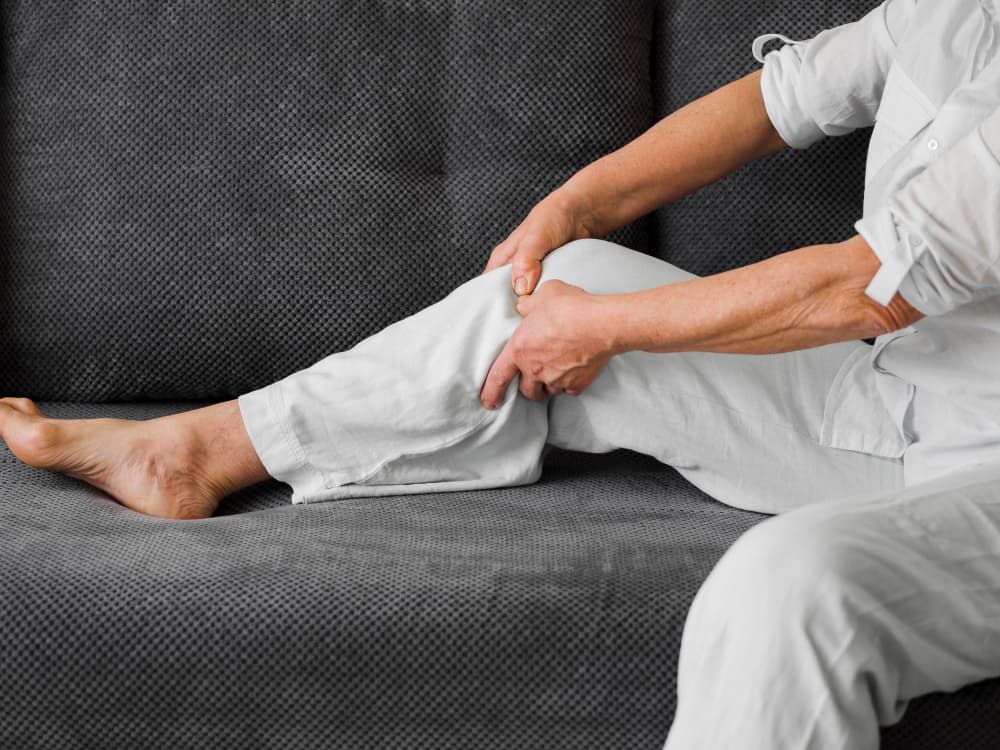
Knowing what causes knee pain helps you choose the right management approach. Multiple contributing factors can increase stress on the knee joint over time:
Age-Related Wear and Tear
As time passes, the protective cartilage buffering the ends of your bones gradually deteriorates. This natural aging process frequently leads to joint degeneration, stiffness, and chronic discomfort.
Overuse and Repetitive Strain
Repetitive motions from sports, heavy lifting, or jobs requiring prolonged kneeling can cause micro-tears in tendons and fluid sacs, leading to chronic inflammation.
Excess Body Weight
Carrying extra body weight places extra physical strain on weight-bearing joints. Every additional pound of weight exerts significantly more pressure on the knees during walking or running.
Muscle Weakness and Imbalance
Weak or imbalanced quadriceps and hamstrings fail to provide adequate alignment and stability to the knee joint, increasing friction and injury risk.
Knee conditions generally fall into acute injury categories or chronic medical ailments. Here are the most frequent types:
- ACL and Other Ligament Injuries: An injury to the anterior cruciate ligament (ACL) is a common sprain or tear among athletes, usually triggered by sudden stops or changes in direction.
- Meniscus Tears: Shock-absorbing cartilage can easily tear if you forcefully twist your knee while bearing weight on it.
- Osteoarthritis and Other Types of Arthritis: Osteoarthritis is the most prevalent wear-and-tear condition damaging joint cartilage. In clinical documentation, knee pain is classified under right knee pain ICD-10 code M25.561 or left knee pain ICD-10 code M25.562, helping physicians track the diagnosis and tailor treatment accurately.
- Bursitis and Tendinitis: Inflammation of the fluid-filled sacs (bursae) or tendons, often resulting from repetitive strain or kneeling.
- Patellofemoral Pain Syndrome (Runner's Knee): Discomfort located under or around the kneecap, especially noticeable as knee pain when bending or sitting for long periods.
- Mechanical Problems: Loose bodies (floating cartilage/bone fragments) or a dislocated kneecap that physically block smooth joint movement.
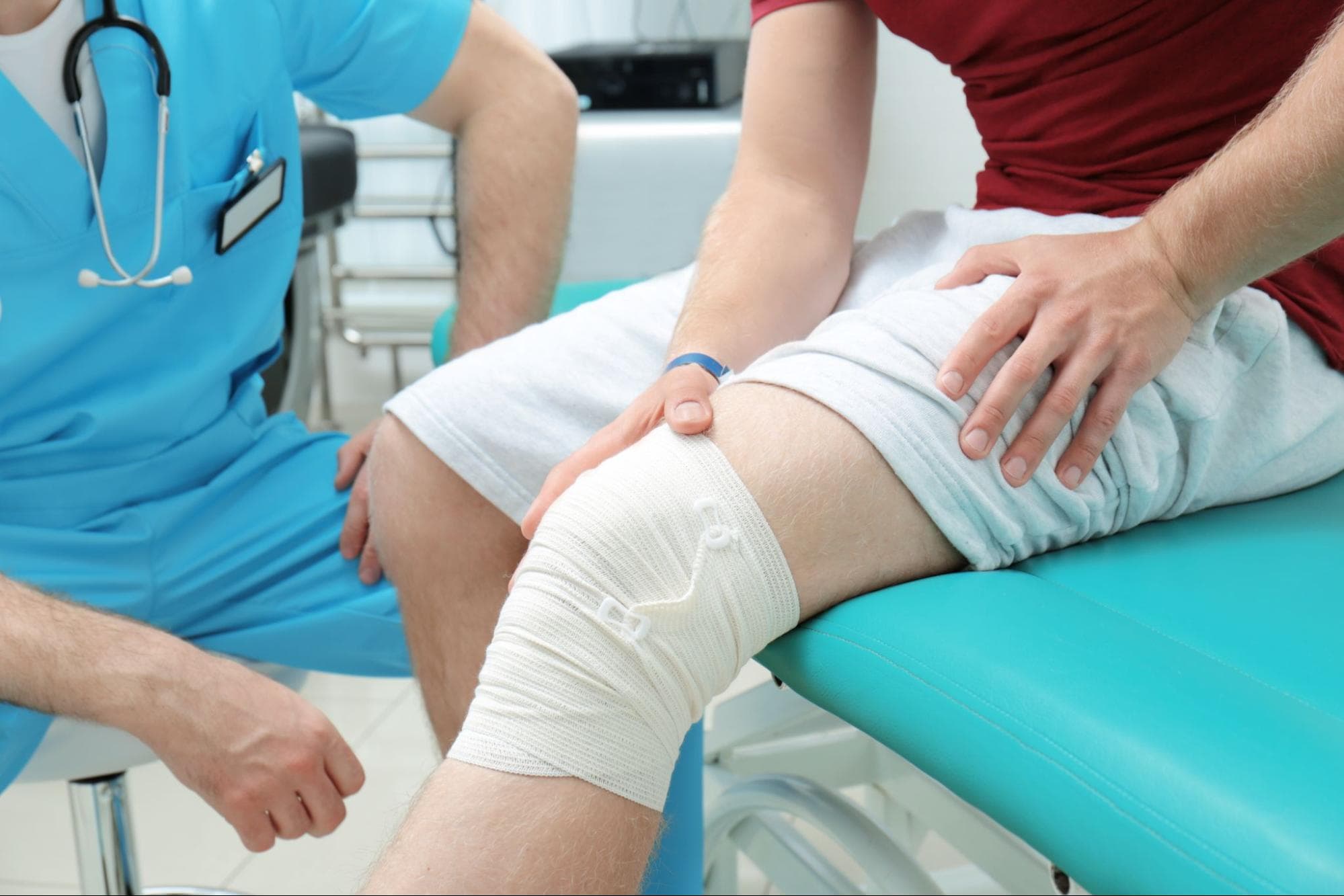
While minor knee aches often resolve with rest, certain warning signs require prompt medical evaluation. You should consult a specialist if you experience:
- Inability to bear weight on your knee or feeling as if your joint is completely unstable.
- Marked joint swelling accompanied by redness, fever, or noticeable warmth.
- Severe pain even while resting or during the night.
- Inability to fully extend or flex your knee joint.
- An obvious deformity in the leg or knee area.
- Persistent discomfort that fails to improve after several days of home care.
Women may also experience greater joint laxity or alignment differences due to pelvic structure and hormonal shifts, which is why persistent knee pain in ladies should be addressed promptly to prevent long-term joint imbalance.
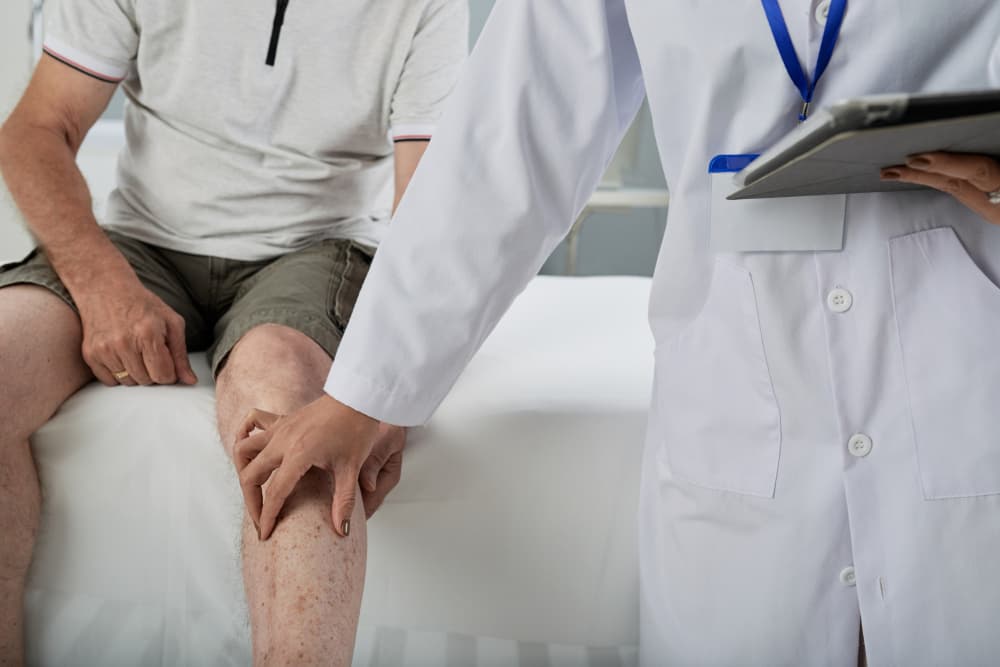
Finding effective knee pain treatment involves a combination of conservative home therapies and targeted medical procedures:
Home Care and Self-Treatment (RICE Method)
For mild injuries, self-care is often the first step to knee pain relief:
- Rest: Protect the joint and pause activities that provoke discomfort.
- Ice: Apply cold packs for 15–20 minutes several times daily to reduce inflammation.
- Compression: Wear a lightweight knee support or elastic bandage to control swelling.
- Elevation: Prop your leg up above heart level when resting.
If you are considering non-prescription options, consult your healthcare provider or pharmacist regarding what is the best painkiller for knee pain (such as NSAIDs or acetaminophen) suitable for your health profile.
Physical Therapy and Exercise
Targeted physical therapy focuses on strengthening the surrounding muscles (quadriceps and hamstrings), improving flexibility, and correcting biomechanical imbalances to reduce pressure on the joint.
Medications and Injections
When oral pain relievers are insufficient, doctors may recommend corticosteroid injections for rapid inflammation reduction or hyaluronic acid injections to lubricate the joint.
Total Knee Arthroplasty (Knee Replacement Surgery)
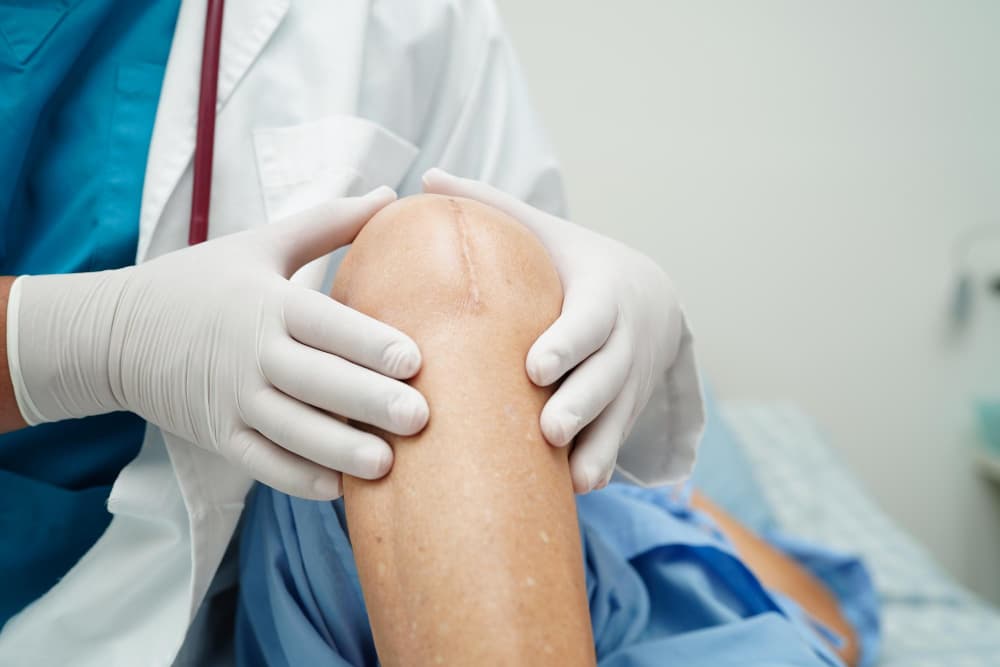
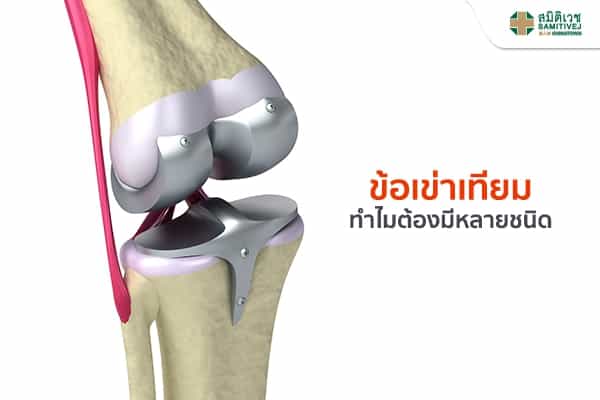
In cases of severe joint damage or advanced osteoarthritis where conservative treatments fail, total knee arthroplasty (knee replacement surgery) may be recommended. This surgical procedure replaces damaged joint surfaces with durable metal and plastic implants, dramatically restoring function and significantly reducing pain for the majority of patients.
Preventing joint discomfort involves adopting healthy lifestyle habits and protecting your knees during daily activities:
- Maintain a Healthy Weight: Reducing excess body mass decreases stress on your knee joints during weight-bearing activities.
- Stay Active and Strengthen Muscles: Engage in low-impact exercises (swimming, cycling) to build supportive leg strength without joint impact.
- Wear Proper Footwear: Choose supportive, well-fitted shoes that promote proper alignment and absorb ground shock.
- Warm Up Before Exercise: Prepare muscles and tendons with dynamic stretches before engaging in physical sports or workouts.
- Listen to Your Body: Avoid pushing through sharp physical discomfort, and allow adequate rest between intensive workouts.
Understanding “why do my knees hurt?” and recognizing early symptoms allows you to take proactive steps toward recovery. From conservative RICE protocols and targeted physical therapy to advanced surgical options like knee replacement, modern medicine offers many effective solutions for joint health.
If persistent knee discomfort is limiting your mobility or daily life, seek professional evaluation from expert medical specialists. Samitivej Chinatown Hospital offers comprehensive orthopedic care, diagnostic assessments, and personalized treatment plans tailored to help you live an active, pain-free life.
Is it normal to have knee pain after exercise or running?
Mild muscle soreness after intense exercise is normal, but sharp, persistent, or swelling-associated joint pain is not. It often signals overuse, poor footwear, or improper running form that should be addressed.
Can knee pain go away on its own without treatment?
Minor strains or light bruising can improve on their own with adequate rest and simple self-care. However, chronic pain or discomfort resulting from structural damage (such as ligament tears or arthritis) requires professional medical management.
What is the best sleeping position to reduce knee pain at night?
Side sleepers should place a pillow between their knees to keep the hips, knees, and spine properly aligned. Back sleepers can place a pillow beneath their knees to alleviate stress on the joint.
Are there foods that help reduce knee joint inflammation?
Yes, an anti-inflammatory diet rich in omega-3 fatty acids (salmon, walnuts), leafy greens, berries, and olive oil can help support overall joint health and reduce systemic inflammation.
Can weather changes make knee pain worse?
Many people with joint stiffness or arthritis report that cold or damp weather makes their symptoms worse. Researchers believe drops in barometric pressure may cause joint tissues to expand slightly, but large-scale studies have produced mixed results, so the exact mechanism is still not fully settled.