Knee Replacement Surgery: Ultimate Guide to Restoring Your Active Lifestyle
Article by: seoteam seoteam Last updated: 10 August 2026
If chronic joint pain limits your daily activities, knee replacement surgery offers a proven pathway to long-term relief and restored mobility. This advanced joint replacement procedure safely removes damaged bone and cartilage to alleviate debilitating discomfort.
By understanding what to expect before, during, and after the operation, you can make an informed decision for your health. Choosing a specialized total knee arthroplasty can effectively help you overcome persistent stiffness and return to the activities you love most.
Highlight
- Designed to eliminate chronic discomfort caused by severe arthritis or joint degeneration.
- knee replacement surgery helps patients regain freedom of movement to perform daily activities with ease.
- Artificial joints are built to last, significantly improving quality of life for decades.
Table of Content
Knee replacement surgery, also known as knee arthroplasty, is a surgical procedure performed to resurface a knee damaged by severe arthritis or trauma. When conservative treatments like medications and physical therapy no longer provide relief, this surgery becomes the most effective option. The primary goal is to relieve pain, correct leg deformity, and help the patient resume normal physical functions.
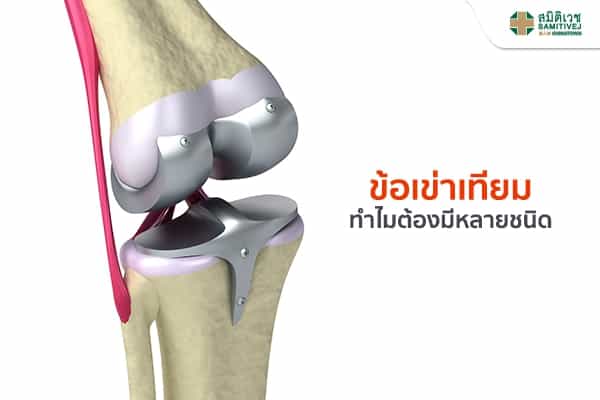
To understand why a knee fails, it helps to understand its anatomy. The knee is a complex hinge joint where three bones meet: the thighbone (femur), the shinbone (tibia), and the kneecap (patella). when replaced. In a healthy joint, these bones are covered with a smooth tissue called cartilage, which acts as a protective cushion. Ligaments and tendons connect these bones, providing stability and strength.
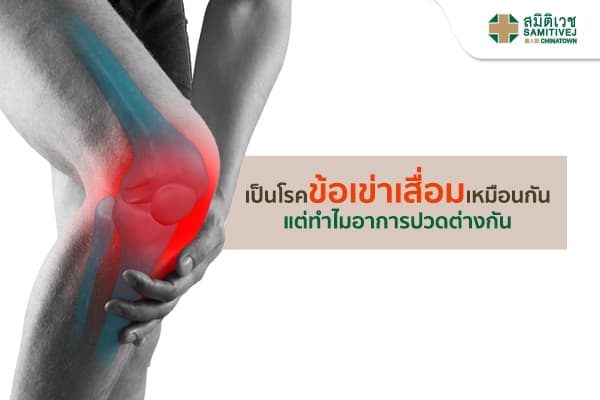
Over time, severe wear and tear or osteoarthritis can cause cartilage degeneration. As this protective layer breaks down, it leads to painful bone-on-bone friction. This continuous friction results in chronic inflammation, bone spurs, severe stiffness, and a significant loss of joint flexibility.
Depending on the extent of your joint damage, orthopedic surgeons will recommend specific types of knee replacements to best fit your anatomy.
Total Knee Replacement
A total knee replacement surgery is the most common approach, involving the replacement of all three compartments of the knee joint. During a total knee arthroplasty, the surgeon resurfaces the ends of both the femur and tibia, replacing them with metal components and inserting a medical-grade plastic spacer to ensure smooth movement.
Unicompartmental Knee Replacement
Also known as a partial knee replacement, this procedure is suitable if the damage is limited to only one side or compartment of the knee. It preserves the healthy parts of your bone and ligaments, resulting in a smaller incision and a quicker recovery period.
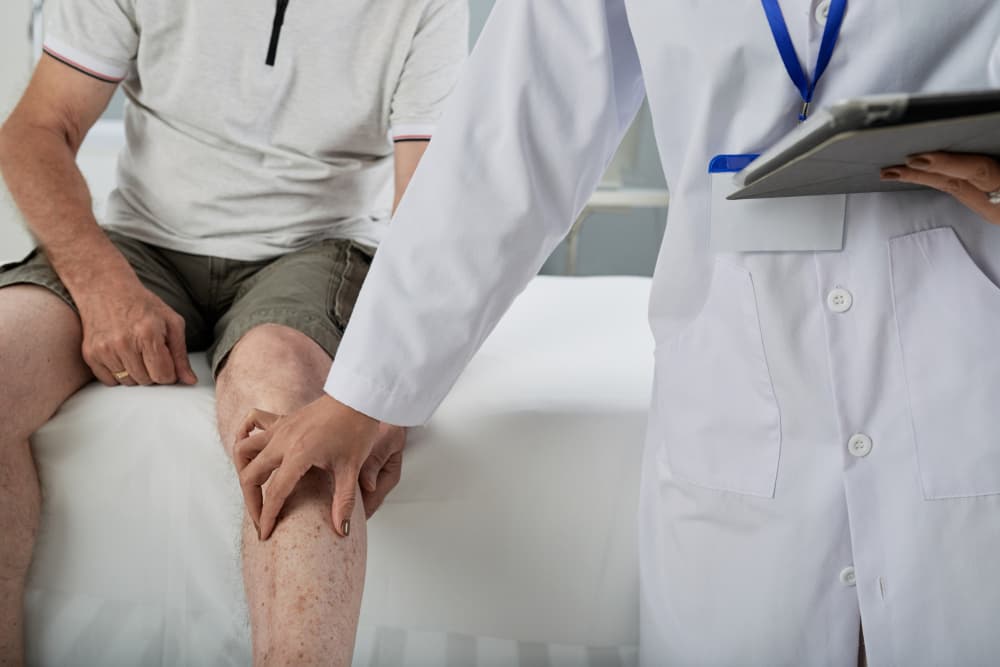
You may need to consider a knee replacement if your joint damage severely impacts your daily life. Common indicators include severe knee pain or stiffness that limits everyday activities, such as walking, climbing stairs, or getting in and out of chairs. If you experience moderate or severe knee pain while resting, or if chronic knee inflammation and swelling do not improve with rest or medications, a surgical consultation is highly recommended.
While modern medical advancements have made this procedure highly successful, patients should always be aware of potential knee replacement complications.
- Infection: Can occur deep around the artificial implants or superficially near the incision site.
- Blood Clots: Deep vein thrombosis (DVT) may form in the leg veins following reduced mobility post-surgery.
- Implant Failure: Over time, the components may loosen or wear out, requiring a revision procedure.
- Nerve Damage: Rare injuries to nearby nerves or blood vessels can cause temporary or permanent numbness.
- Persistent Stiffness: Some patients may experience a limited range of motion despite regular rehabilitation.
Proper preparation before entering the operating room ensures a smoother procedure and a safer transition back home.
- Medical Evaluations: Complete all required blood tests, ECGs, and physical examinations to ensure you are fit for surgery.
- Medication Adjustments: Stop taking specific blood thinners or anti-inflammatory drugs as advised by your doctor.
- Home Modifications: Set up your living space by removing tripping hazards and installing safety rails in the bathroom.
- Pre-operative Exercises: Engage in light upper-body and leg-strengthening exercises to prepare your body for rehabilitation.
Understanding the surgical steps can help ease anxiety and set clear expectations for the day of your procedure.
- Anesthesia Administration: You will receive either general anesthesia or a spinal block to ensure you feel no pain.
- Incision and Exposure: The surgeon makes an incision over the knee to gain access to the damaged joint structures.
- Bone Preparation: Damaged cartilage and a small amount of bone are precisely removed to fit the new implants.
- Implant Positioning: The metal and plastic prosthetic components are securely attached to the bone surfaces.
- Closure: The incision is closed with stitches or surgical staples, and a sterile dressing is applied.
Today, advanced techniques like robotic knee replacement surgery allow for unprecedented precision during the procedure. Utilizing systems like mako knee replacement, surgeons can create a customized 3D virtual model of your unique anatomy. This ensures optimal alignment of the implants, minimizing soft tissue damage and potentially reducing the disadvantages of knee replacement surgery.
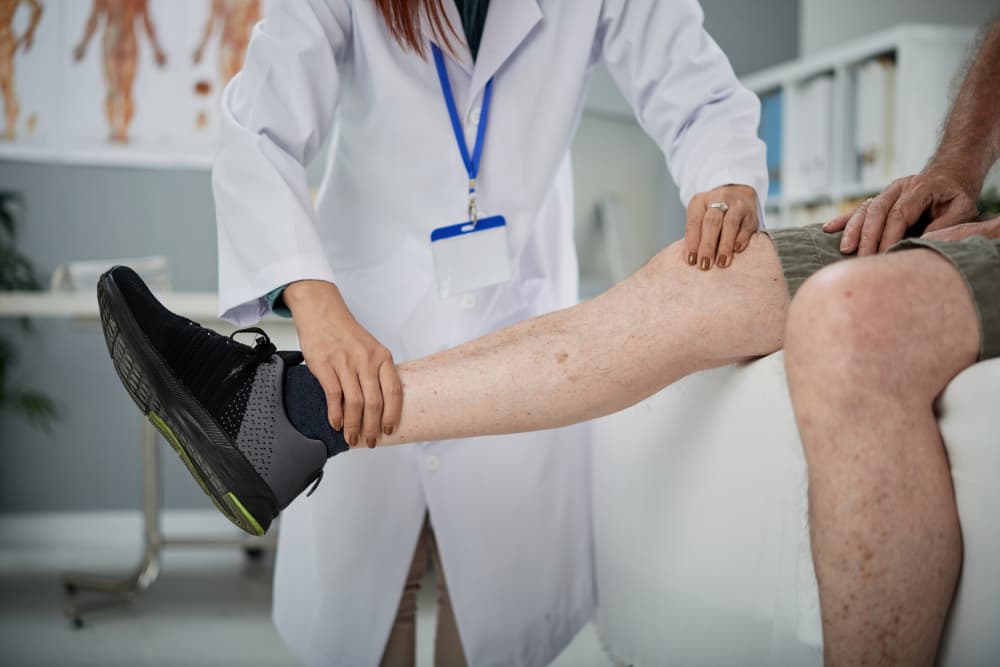
A dedicated commitment to your knee replacement recovery plan is essential for achieving the best possible surgical outcome.
Week-by-Week Recovery Timeline
During the first 1 to 2 weeks, the focus is on wound healing, pain management, and performing basic indoor movements. By weeks 3 to 6, most patients experience a noticeable decrease in pain and can gradually resume light daily chores. When comparing the before and after knee replacement surgery milestones, most patients transition off assistive devices between weeks 4 and 6, and by weeks 7 to 12 can confidently return to low-impact recreational activities.
Physical Therapy After Knee Replacement
Physical therapy is the cornerstone of your recovery process. Specialized therapists will guide you through targeted exercises to rebuild leg strength, improve joint flexibility, and restore a natural walking gait. Consistent participation in these sessions prevents long-term joint stiffness and ensures your new knee functions at its absolute best.
Life after a knee surgery is generally marked by a dramatic reduction in pain and a substantial improvement in overall physical function. Most patients can successfully return to a vibrant, normal life, enjoying low-impact activities like swimming, cycling, walking, and golfing.
While you should avoid high-impact sports that put excessive stress on the implants, the long-term outcomes are overwhelmingly positive. The vast majority of individuals report that they can move freely without the constant, agonizing pain that previously governed their daily lives.
Knee replacement surgery is a highly transformative procedure that can effectively release you from the constraints of chronic joint pain. By understanding the options available, preparing adequately, and dedicating yourself to postoperative recovery, you can successfully reclaim an active lifestyle.
If you are experiencing severe knee discomfort, do not let it control your life any longer. Contact Samitivej Chinatown today to schedule a consultation with our experienced orthopedic specialists and take your first step toward a pain-free future.
How long after a knee replacement can you walk?
Most patients are encouraged to stand and take a few steps with assistance within 24 hours after surgery. You will gradually transition from a walker to independent walking over a period of 2 to 6 weeks.
What should you not do after total knee replacement?
You should avoid high-impact activities such as running, jumping, and contact sports. Additionally, avoid twisting your knee sharply or sitting in low, unsupportive chairs during the early stages of recovery.
How long does a knee replacement implant last?
Modern knee implants are highly durable. Research indicates that more than 85% to 90% of total knee replacements function well for up to 15 to 20 years, depending on your activity level and overall health.
Can you kneel after knee replacement surgery?
Yes, kneeling is technically safe after the joint has fully healed, but many patients find it uncomfortable due to the scar tissue or the sensation of pressure on the artificial components.